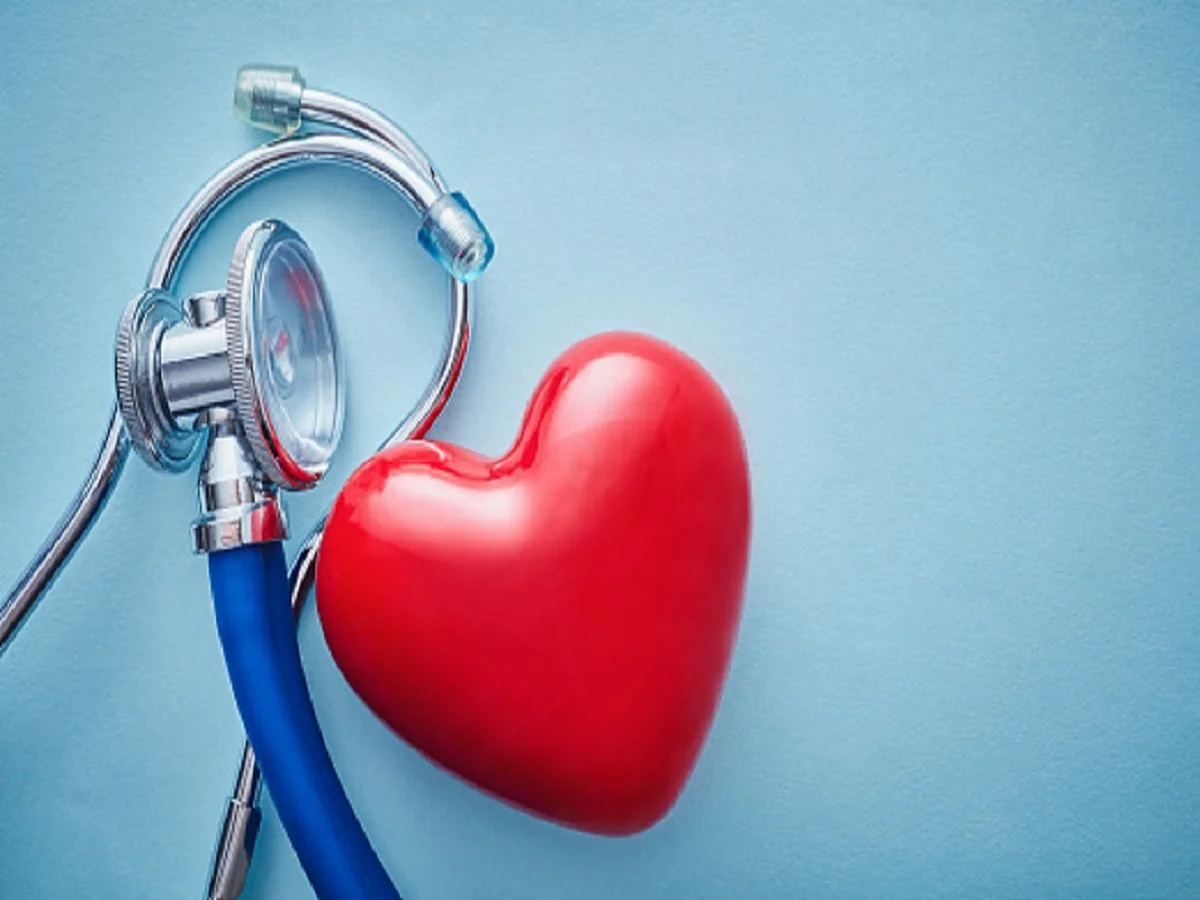
Heart disease remains one of the leading health concerns worldwide, and many serious cardiac conditions develop silently without obvious symptoms. In today's fast-paced lifestyle, people often overlook routine health check-ups, allowing risk factors such as high blood pressure, high cholesterol, and artery blockages to go undetected.
Medical experts emphasize that regular heart screenings can help identify potential problems before they become life-threatening. Early detection allows for timely treatment, lifestyle changes, and better long-term heart health outcomes.
Here are some of the most important tests doctors recommend for monitoring cardiovascular health.
Why Regular Heart Check-Ups Matter
Many heart-related conditions do not cause noticeable symptoms in their early stages. High blood pressure, elevated cholesterol levels, and narrowing of arteries can gradually damage the cardiovascular system over time.
Routine screenings can help:
- Detect heart disease risks early
- Monitor blood pressure and cholesterol levels
- Identify irregular heart rhythms
- Assess blood flow to the heart
- Reduce the likelihood of heart attacks and strokes
Regular evaluations become especially important for individuals with a family history of heart disease, diabetes, obesity, or smoking habits.
1. Blood Pressure Monitoring
One of the simplest yet most important tests for heart health is regular blood pressure measurement.
High blood pressure, also known as hypertension, forces the heart to work harder than normal and increases the risk of heart attacks, strokes, and kidney disease.
A reading around 120/80 mmHg is generally considered within the normal range for many adults, although individual targets may vary depending on age and medical history.
Because high blood pressure often causes no symptoms, routine monitoring is essential.
2. Lipid Profile Test
A lipid profile is a blood test used to evaluate cholesterol and fat levels in the bloodstream.
The test typically measures:
- LDL (Low-Density Lipoprotein) cholesterol, often called "bad" cholesterol
- HDL (High-Density Lipoprotein) cholesterol, known as "good" cholesterol
- Triglycerides
- Total cholesterol
High LDL cholesterol and elevated triglycerides can contribute to plaque buildup inside arteries, increasing the risk of coronary artery disease, heart attacks, and strokes.
Regular cholesterol screening can help doctors recommend lifestyle changes or medications when necessary.
3. Electrocardiogram (ECG)
An Electrocardiogram, commonly known as an ECG or EKG, records the heart's electrical activity.
This quick, non-invasive test helps detect:
- Irregular heart rhythms (arrhythmias)
- Previous heart damage
- Signs of heart enlargement
- Electrical abnormalities affecting the heart
An ECG is often one of the first tests performed when a patient reports chest discomfort, palpitations, dizziness, or shortness of breath.
4. Troponin Test for Suspected Heart Attack
The troponin test is a specialized blood test used primarily in emergency situations.
Troponin is a protein released into the bloodstream when heart muscle cells are damaged. Elevated troponin levels can indicate a heart attack or other serious cardiac injury.
Doctors commonly order this test when patients experience symptoms such as:
- Sudden chest pain
- Pressure or tightness in the chest
- Shortness of breath
- Pain radiating to the arm, neck, or jaw
The test plays a critical role in confirming or ruling out acute heart-related emergencies.
5. Treadmill Test (TMT) or Stress Test
A Treadmill Test (TMT), also known as a cardiac stress test, evaluates how the heart performs during physical activity.
During the procedure, patients walk or run on a treadmill while their heart rate, blood pressure, and ECG readings are monitored.
The test can help identify:
- Reduced blood flow to the heart
- Exercise-induced symptoms
- Coronary artery disease
- Abnormal heart rhythms triggered by exertion
Because the heart works harder during exercise, a stress test can reveal problems that may not be visible when the body is at rest.
Who Should Consider Heart Screening?
Heart health assessments are particularly important for people who:
- Are over 40 years of age
- Have diabetes
- Have high blood pressure
- Have elevated cholesterol levels
- Smoke or use tobacco
- Are overweight or obese
- Have a family history of heart disease
Regular check-ups can help detect problems before symptoms appear and improve treatment outcomes.
Early Detection Can Save Lives
Heart disease often develops gradually, making preventive care and routine testing extremely important. Simple evaluations such as blood pressure checks, cholesterol screening, ECGs, stress tests, and troponin testing can provide valuable insights into cardiovascular health.
Consulting a healthcare professional for regular screenings and following a heart-healthy lifestyle that includes exercise, balanced nutrition, stress management, and avoiding tobacco can significantly reduce the risk of serious cardiac conditions.
Disclaimer: This article is intended for informational purposes only and should not be considered medical advice. Consult a qualified healthcare professional for diagnosis, treatment, and personalized recommendations regarding heart health.