LIFESTYLE
HbA1c Study India: Why isn't the most reliable diabetes test accurate in India? The Lancet report raises concerns.
Diabetes Monitoring Methods: Diabetes cases are increasing rapidly worldwide. But now, a new concern has emerged in India. Let us tell you what has emerged.
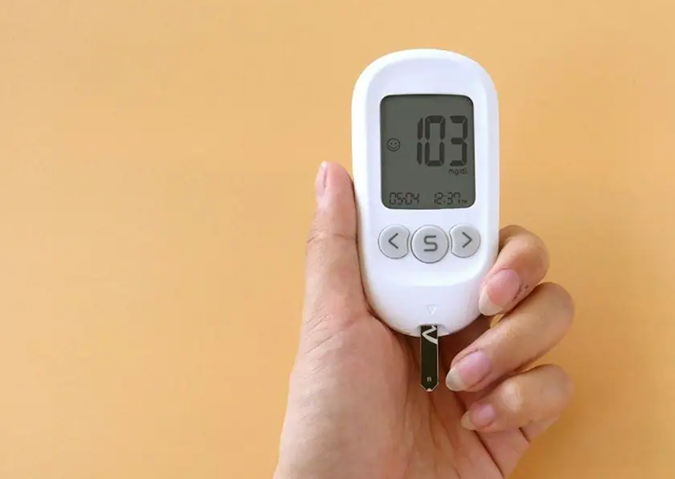
Diabetes screening
Why HbA1c Test May Be Inaccurate In India: The HbA1c test, the most widely used test for diagnosing and monitoring diabetes, does not always provide accurate results for millions of people in India. This is revealed in a new research published in the prestigious medical journal Lancet Regional Health - Southeast Asia. According to the study, in countries like India, where anemia and blood-related diseases are common, relying solely on HbA1c can be misleading.
There is no accurate information on these matters.
The HbA1c test measures the average blood sugar level over the past two to three months. Generally, a level below 5.7 percent is considered normal, 5.7 to 6.4 percent is considered prediabetes, and 6.5 percent or higher is considered diabetes. However, research has shown that this test can give inaccurate results in people with anemia, genetic disorders related to hemoglobin, or a deficiency of the G6PD enzyme.
Professor Anoop Mishra, who led the study and is chairman of the Fortis C-Doc Centre of Excellence for Diabetes, says that HbA1c is completely dependent on hemoglobin. Therefore, if the amount, structure, or age of hemoglobin is affected, accurate blood sugar estimates may be inaccurate. He cautioned that relying solely on HbA1c may lead to delayed diagnosis of diabetes in some patients, and even misdiagnosis in others.
In many parts of the country, 50 percent of the population is iron deficient.
According to study co-author Dr. Shashank Joshi, red blood cell problems can affect HbA1c results even in urban hospitals. This problem is more severe in rural and tribal areas, where anemia is common. The research also shows that in many parts of India, more than 50 percent of the population suffers from iron deficiency, which can distort HbA1c readings. In some cases, diabetes can be diagnosed up to four years late in life in men with G6PD deficiency, increasing the risk of complications.
What do experts suggest?
Experts recommend that in countries like India, HbA1c should be used in conjunction with other tests to diagnose diabetes, not alone. These include oral glucose tolerance tests, regular blood glucose monitoring, and basic blood tests. In severe cases, alternatives such as CGM and fructosamine may also be useful. This study emphasizes that HbA1c is no longer the "gold standard" in anemia-affected populations, and that tailoring the testing method to the situation is essential for accurate diagnosis of diabetes.