
NEWS
Draft Income Tax Rules: From buying a car to depositing cash... some major changes are coming to the PAN card limit.
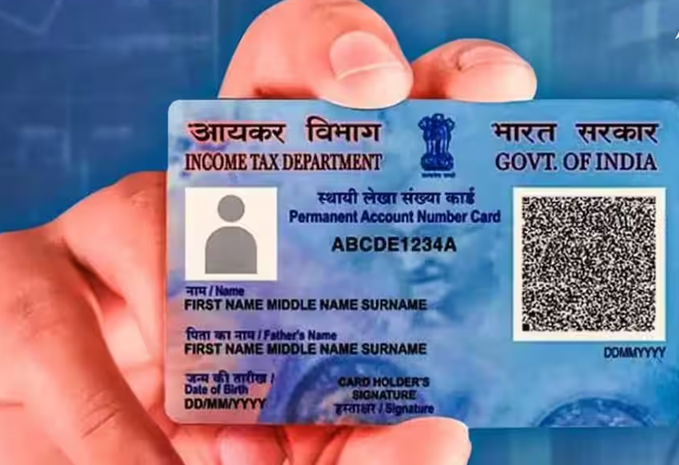
PAN Rule Changes: The government has listed the areas where PAN will be required in the Draft Income Tax Rules, 2026. Several monetary limits have been increased under the Draft Income Tax Rules, 2026.
Draft Income Tax Rules: From buying a car to buying cash... some major changes are coming to the PAN card limit.
PAN Rule Changes: With the new financial year beginning on April 1st, income tax rules are set to change. Amidst the ongoing preparations, the Income Tax Department has released the Draft Income Tax Rules, 2026, along with draft tax return forms, and has sought public input. The aim is to simplify the tax system, make it easier for everyone to understand, and make it transparent. The Draft Income Tax Rules, 2026, also propose some changes related to the PAN card, the impact of which will be felt in everyday life.
The government has listed the areas where PAN will be required in the Draft Income Tax Rules, 2026. Several monetary limits have been raised under the Draft Income Tax Rules, 2026, which could simplify compliance for small transactions, while the rules will become stricter for larger transactions. Let's explore the upcoming changes regarding PAN cards:
Higher limits for cash deposits and withdrawals
One of the biggest changes relates to cash dealings with banks. Under the draft rules, quoting a PAN will only be required if there is a deposit or withdrawal of ₹10 lakh from one or more bank accounts in a financial year.
This is significantly different from the current rule, which requires quoting a PAN for cash deposits exceeding ₹50,000 in a single day with a bank or cooperative bank. In the proposed rules, the government is focusing on large transactions to monitor high-value transactions.
When will PAN have to be given while buying a car?
The draft rules require PAN to be provided when purchasing a vehicle only if the price of a four-wheeler, including motorcycles, exceeds ₹5 lakh. Currently, a PAN is required for purchasing a motor vehicle regardless of price. There are no specific rules for buyers of vehicles priced lower than this and for two-wheelers. The new limit aims to link compliance with the purchase value, eliminating the need for buyers of lower-priced vehicles to provide unnecessary PAN details.
Relief for small hotel and event payments
If the draft rules are approved, the hospitality and events sector will also see changes. A PAN will only be required if payments to hotels, restaurants, banquet halls, convention centers, or event managers exceed ₹1 lakh. Under the current rules, a PAN is required for hotel or restaurant bills exceeding ₹50,000. Doubling the limit will make it easier for customers to pay smaller bills without any additional documentation.
New PAN limit for real estate deals
If the value of the property you purchase, sell, gift, or any related joint development agreement exceeds ₹20 lakh, a PAN card must be presented. Currently, this limit is ₹10 lakh.
Insurance-related changes
The new rules also include significant changes to the insurance sector. A PAN will be required to enter into an account-based relationship with an insurance company. Under current rules, a PAN is required only if the life insurance premium exceeds ₹50,000 in a financial year.