
LIFESTYLE
Ghaziabad Suicide Case: Why is Korean culture attracting children, and where are we failing? Questions raised by the Ghaziabad incident
Dr. Rahul Chandok clearly states that this problem isn't limited to any one country or culture. We don't have our own content and time for children. Playgrounds are scarce. Mobile phones have replaced play and entertainment.

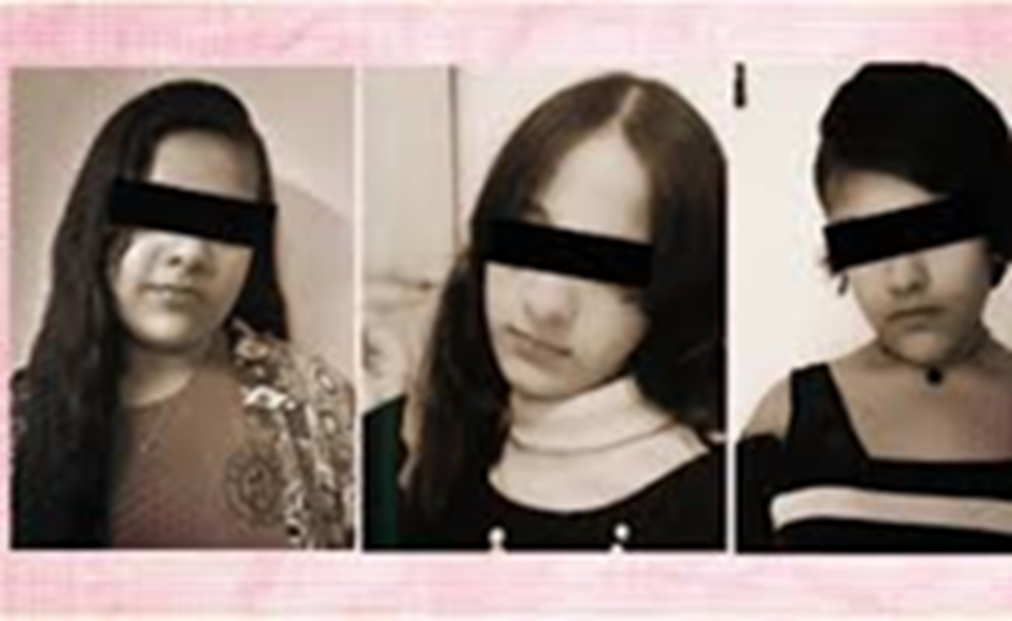
Ghaziabad triple suicide case
Children immersed in mobile screens, a childhood disconnected from the outside world, and a growing craze for Korean dramas and music. The recent incident in Ghaziabad has once again raised the question of where our children are headed. Is this simply the influence of Korean culture, or is it a result of our own social and familial failings? To find answers to these questions, the ABP Live team spoke extensively with Dr. Rahul Chandok, a renowned senior psychiatrist at Artemis Hospital.
Emptiness, not Korean culture, is what attracts children.
Dr. Rahul Chandok clearly states that this problem isn't limited to any one country or culture. The real problem is that we don't have our own content and time for children. Playgrounds have shrunk. Mobile phones have replaced games and entertainment. Without Indian stories, dramas, and films for children, they will turn to foreign content. Korean content is specifically targeted at teenagers, making it more appealing to them.
Mobile becomes the new member of the family.
Dr. Chandok gives a fitting example. Today, parents often hand their children a mobile phone as a way to keep them calm. Whether it's eating, calming them down, or talking to someone, the phone is always there. From a young age, children begin to consider the mobile phone a part of the family. This makes it extremely difficult to take it away from them as they grow older.
The playground ends, the world of the screen begins.
Children's true calling is to play. But the lack of playgrounds, parks, and courts has confined them within four walls, preventing them from interacting with others their own age. The Ghaziabad incident revealed that children missed school for years, lacked contact, and the loneliness deeply impacted their mental state. Writings on the walls indicated that they felt extremely lonely.
It is important to understand the difference between distraction and happiness
Dr. Chandok says that mobile phones distract children, but they don't make them happy. Cartoons or videos may provide some peace, but they can't provide an emotional connection. As loneliness increases, children begin to mistake this imaginary world for their real world.
To keep children away from Korean culture or mobile phones, parents must first devote time to them. Sitting with a child and using a mobile phone is not quality time. It's important to listen to a child's daily routine, understand their friendships, conflicts, and dreams. Today, there are fewer children in homes, and the age gap is greater. This makes children even lonelier.
If we don't have our own content, children will go somewhere else.
Dr. Chandok believes that very few modern dramas and serials are being produced that reflect Indian culture. In the age of the internet, content from around the world is available to children. Translation has made this even easier. If we don't create engaging content for children and teens in our country, they will inevitably turn to foreign content.
Social media is not banned, we need the right environment.
Dr. Chandok offers a balanced opinion on the advice to keep children under 16 away from mobile phones. He says that mobile phones and the internet are part of today's life. While countries like Australia and France are discussing banning social media, the solution in India isn't a ban. The solution lies in creating appropriate content for children and creating an environment at home where children can spend time with their parents.
Dr. Rahul Chandok believes that if children are assured that their parents will make time for them, they will distance themselves from their mobile phones. They will sit with you after completing their studies. Without this assurance, they will stay awake at night, living in a world of mobile phones and fantasy.
If you explain to the children, they will return on their own.
Overall, it can be said that Korean culture isn't a problem for children, but rather a reflection of our society's shortcomings. To guide children in the right direction, we need to give them time, create content relevant to their culture, and make mobile phones a choice, not a support. Only then will children return to their parents and their world.