LIFESTYLE
Gardening Tips: 8 Best Plants for Sandy Soil That Grow With Less Water and Make Your Garden Colourful
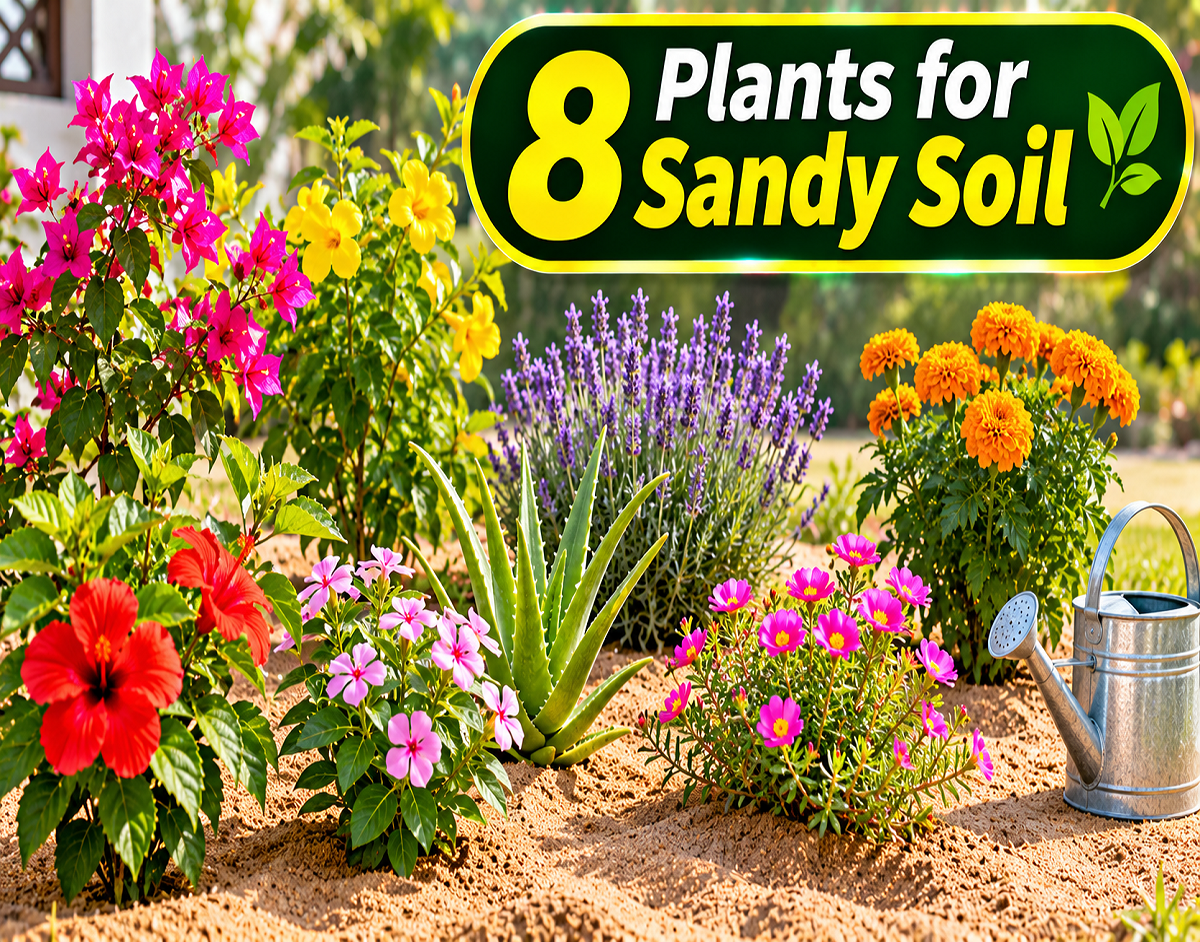
Gardening Tips for Sandy Soil: Growing a beautiful garden in sandy soil can seem difficult because this type of soil drains water quickly and often struggles to retain essential nutrients. However, choosing the right plants can make a significant difference.
Many flowering plants, herbs and succulents naturally thrive in loose, well-drained soil. Some can tolerate intense sunlight and relatively dry conditions once their roots are established.
From colourful bougainvillea and portulaca to aromatic lavender and rosemary, several attractive plants can help transform a sandy garden into a vibrant outdoor space.
If you live in an area with sandy soil or want to create a low-maintenance garden, here are eight plants worth considering.
Why Is Gardening in Sandy Soil Challenging?
Sandy soil contains relatively large mineral particles, creating spaces through which water can drain quickly.
Although good drainage is beneficial for many plants, excessive drainage can make it difficult for roots to access moisture for long periods.
Sandy soil may also have a lower capacity to retain nutrients than soils containing more clay or organic matter.
As a result, plants that require consistently moist and nutrient-rich conditions may struggle without additional care.
Fortunately, many drought-tolerant plants are adapted to these conditions.
Selecting suitable varieties, improving the soil where necessary and using appropriate watering methods can help create a healthy garden.
1. Lavender: Fragrant Purple Flowers for Sunny Gardens
Lavender is a popular ornamental plant known for its beautiful purple flowers and distinctive fragrance.
Its silvery-green foliage also adds visual appeal to garden borders and containers.
Lavender generally prefers well-drained soil and plenty of sunlight, making it suitable for sandy growing conditions.
Once established, many lavender varieties can tolerate relatively dry soil.
Growing tips:
- Choose a location receiving several hours of direct sunlight.
- Use loose, well-drained soil.
- Avoid keeping the roots constantly wet.
- Allow the soil to dry appropriately between watering sessions.
Lavender is particularly suitable for Mediterranean-style gardens and decorative borders.
However, it can struggle in extremely hot, humid or waterlogged conditions. Gardeners in warmer regions should choose suitable varieties and provide appropriate seasonal care.
2. Rosemary: An Aromatic Herb That Prefers Good Drainage
Rosemary is a fragrant culinary herb commonly used to flavour various dishes.
The plant has narrow leaves and woody stems that help it tolerate relatively dry growing conditions.
It generally performs well in sunny locations with good drainage.
Sandy soil can be suitable because it reduces the risk of excessive moisture remaining around the roots.
Growing tips:
- Place rosemary in a sunny location.
- Avoid heavy, waterlogged soil.
- Water newly planted rosemary regularly until established.
- Allow the upper soil layer to dry between subsequent watering sessions.
Rosemary can be grown in garden beds or containers.
In regions with intense summer heat, some protection from harsh afternoon conditions may be helpful.
3. Portulaca or Moss Rose: Bright Flowers With Minimal Maintenance
Portulaca, commonly known as moss rose, is one of the most attractive flowering plants for sunny, well-drained gardens.
It is also popularly called dopahar ka phool in parts of India because its flowers often open in bright sunlight.
The plant produces colourful blooms in shades of pink, yellow, orange, red and white.
Its fleshy leaves help store water, allowing it to tolerate dry conditions better than many ordinary flowering plants.
Growing tips:
- Plant it where it receives abundant sunlight.
- Use sandy or well-drained potting soil.
- Avoid excessive watering.
- Remove unwanted growth to maintain a neat appearance.
Portulaca is particularly suitable for hanging baskets, containers, rock gardens and sunny garden borders.
It is an excellent option for gardeners who want vibrant flowers without maintaining constantly moist soil.
4. Bougainvillea: A Colourful Plant for Hot and Sunny Locations
Bougainvillea is a hardy ornamental plant widely grown in warm climates.
It is known for its striking colourful bracts, which surround small flowers.
Depending on the variety, bougainvillea may produce pink, purple, red, orange, white or yellow displays.
The plant performs well in sunny conditions and generally prefers soil with good drainage.
Once established, it can tolerate periods of reduced watering.
Growing tips:
- Select a location with plenty of direct sunlight.
- Provide support for climbing varieties.
- Avoid excessive watering after establishment.
- Use fertilizer carefully, as excessive nitrogen may encourage leafy growth rather than flowering.
Bougainvillea can be grown along boundary walls, fences, pergolas or in large containers.
Its thorny branches should be considered when selecting a planting location, especially near pathways and children's play areas.
5. Agave: A Drought-Tolerant Plant for Modern Landscaping
Agave is a group of succulent plants recognized for their thick, pointed leaves arranged in attractive rosette shapes.
Many species are naturally adapted to dry environments and well-drained soils.
Their distinctive appearance makes them popular in rock gardens, desert-themed landscapes and decorative outdoor spaces.
Agave plants store water in their leaves, helping them survive periods of limited rainfall.
Growing tips:
- Use well-drained sandy or gravelly soil.
- Avoid frequent watering.
- Choose a suitable location based on the species' sunlight requirements.
- Provide enough space for the plant to reach its mature size.
Agave plants are generally low-maintenance once established.
Safety note: Some varieties have sharp leaf tips and spiny edges. They should be planted away from children's play areas, narrow walkways and places frequently used by pets.
6. Marigold: A Popular Flower for Indian Gardens
Marigold is one of the most familiar flowering plants in India.
Its bright yellow and orange blooms are commonly used for garden decoration, festivals and religious occasions.
Although marigolds can grow in sandy soil, they usually perform better when the soil contains adequate organic matter.
Adding well-decomposed compost can improve moisture retention and provide nutrients.
Growing tips:
- Mix compost into sandy soil before planting.
- Choose a location with good sunlight.
- Water regularly during the establishment stage.
- Remove faded flowers to encourage continued blooming.
Marigolds are suitable for flower beds, pots and garden borders.
Unlike highly drought-tolerant succulents, marigolds need more consistent moisture, particularly during active growth and flowering.
7. Cosmos: Delicate Flowers That Thrive in Light Soil
Cosmos is an easy-to-grow flowering plant known for its delicate foliage and colourful blooms.
Depending on the species and variety, flowers may appear in pink, white, orange, yellow and other shades.
Cosmos often grows well in relatively light, well-drained soil.
In fact, excessive fertilizer can encourage leafy growth at the expense of flowers.
Growing tips:
- Plant cosmos in a sunny location.
- Avoid excessive nitrogen-rich fertilizer.
- Water young plants until their roots develop.
- Provide support for taller varieties when necessary.
Cosmos is a good choice for informal flower gardens and colourful seasonal displays.
Its flowers can also attract pollinating insects, depending on local conditions and the varieties grown.
8. Sedum or Stonecrop: A Succulent for Rock Gardens
Sedum, commonly called stonecrop, refers to a group of succulent plants that are often suitable for well-drained soil.
Many varieties have thick leaves that store moisture.
Some types spread close to the ground, while others grow upright and produce clusters of flowers.
Their ability to tolerate relatively dry conditions makes them useful for rock gardens, containers and decorative borders.
Growing tips:
- Use sandy or gravelly soil with good drainage.
- Avoid waterlogging.
- Select a species suited to the local climate.
- Water sparingly once the plant is established, according to its needs.
Sedum is particularly attractive when combined with stones, gravel and other drought-tolerant plants.
However, not all sedum varieties tolerate extreme heat equally well, so selecting a climate-appropriate species is important.
Best Plants for Sandy Soil: Quick Comparison
| Plant | Sunlight requirement | Water requirement after establishment | Main attraction |
|---|---|---|---|
| Lavender | Full sun | Low to moderate | Fragrant purple flowers |
| Rosemary | Full sun | Low to moderate | Aromatic leaves |
| Portulaca | Full sun | Low | Bright, colourful flowers |
| Bougainvillea | Full sun | Low to moderate | Colourful bracts |
| Agave | Sunlight varies by species | Low | Architectural succulent foliage |
| Marigold | Full sun | Moderate | Yellow and orange flowers |
| Cosmos | Full sun | Low to moderate | Delicate seasonal blooms |
| Sedum | Full sun to partial sun, depending on variety | Low | Succulent leaves and flowers |
Water requirements vary according to plant age, temperature, rainfall, container size and local growing conditions.
Important Gardening Tips for Sandy Soil
Choosing suitable plants is only one part of successful gardening.
A few practical steps can help improve soil quality and support healthier growth.
1. Add Organic Compost
Well-decomposed compost or vermicompost can improve the ability of sandy soil to retain moisture and nutrients.
However, avoid adding excessive organic matter around plants that naturally prefer very lean, dry soil.
2. Use Mulching to Reduce Moisture Loss
A layer of organic mulch can help reduce water evaporation during hot weather.
Dry leaves, suitable plant material or other garden mulch can be placed around plants.
Keep mulch away from stems and crowns to reduce the risk of moisture-related problems.
3. Water According to Plant Requirements
Newly planted flowers, herbs and shrubs generally require regular watering until their roots become established.
After establishment, watering frequency can often be reduced for drought-tolerant varieties.
Succulents such as agave and many sedums are particularly vulnerable to problems caused by excessive watering.
4. Improve Soil Gradually
Sandy soil may benefit from small, regular additions of compost rather than excessive fertilizer.
The goal is to improve soil structure without eliminating the drainage that many drought-tolerant plants require.
5. Choose the Right Planting Season
Planting during a suitable season gives young plants time to develop roots before facing extreme weather.
In hot regions, planting during milder temperatures can reduce transplant stress.
6. Group Plants With Similar Water Needs
Avoid placing moisture-loving plants directly alongside succulents that require much less water.
Grouping plants according to their irrigation needs makes garden maintenance easier and helps prevent overwatering.
Which Plants Are Best for Hot and Dry Indian Regions?
For gardens in hot and relatively dry parts of India, bougainvillea, portulaca and appropriately selected agave varieties can be practical choices.
Marigolds and cosmos can also provide colourful seasonal displays when planted during suitable weather.
Lavender, rosemary and certain sedum varieties may require more careful selection because some species struggle in extreme summer heat or humid conditions.
Gardeners should consider local temperatures, rainfall and seasonal conditions rather than choosing plants solely because the soil is sandy.
Conclusion
Sandy soil does not have to prevent you from creating a beautiful garden.
With the right plant selection, even loose, fast-draining soil can support colourful flowers, aromatic herbs and attractive succulents.
Portulaca and bougainvillea can bring vibrant colour to sunny spaces, while rosemary and lavender offer fragrance and ornamental appeal.
Agave and sedum provide distinctive foliage, while marigolds and cosmos can brighten seasonal flower beds.
By improving the soil where necessary, watering carefully and selecting plants suited to the local climate, gardeners can create an attractive outdoor space without excessive water use.
Gardening Note: Plant performance depends on climate, soil composition, drainage, sunlight and seasonal conditions. Drought-tolerant plants still require appropriate watering during establishment.