
NEWS
From planting to subsidies, what are the new rules of the Govardhan Yojana? Understand in 5 points.
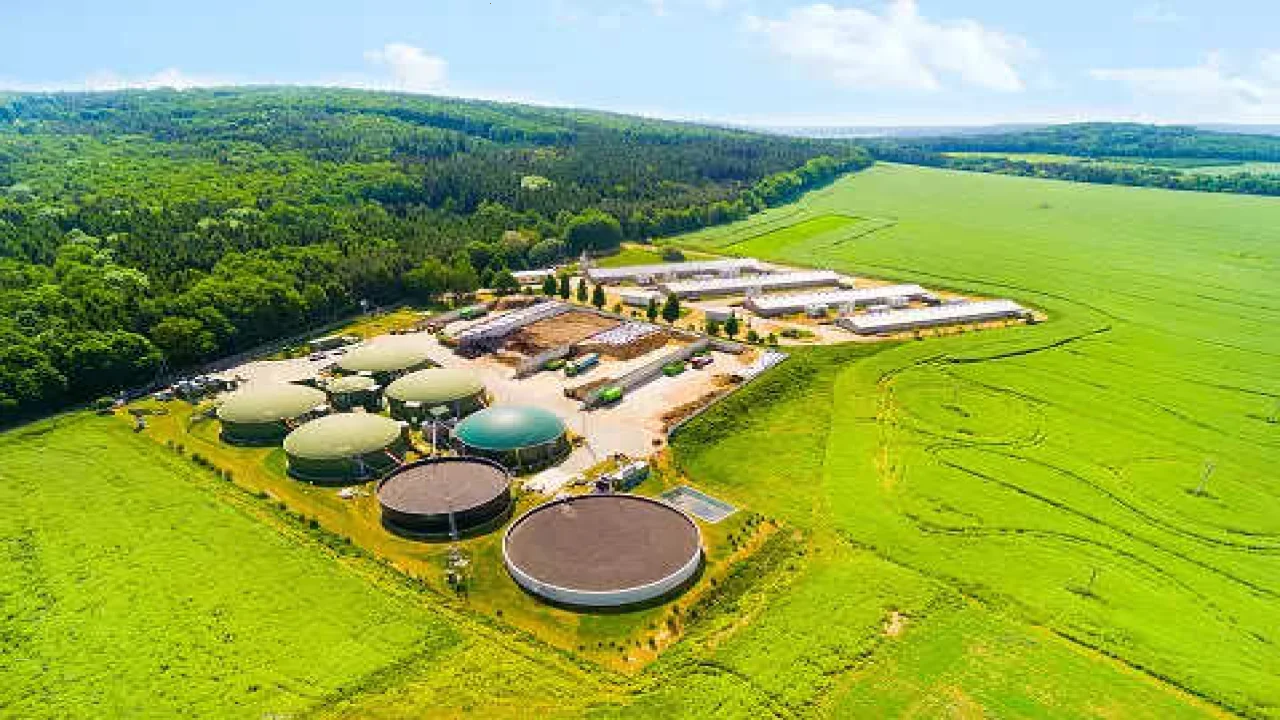
The central government has made a new provision of ₹23,731 crore for the Gobardhan scheme. Under this scheme, those who produce CBG, biogas, and fertilizer from cow dung, straw, and organic waste will receive financial assistance.
Opportunity to earn from cow dung and straw
If you live in a village and are looking for a source of income from cow dung, stubble, or agricultural organic waste, the Gobardhan Yojana may be useful. The central government has released a new provision of ₹23,731 crore to promote the Gobardhan Yojana. Under this scheme, those setting up CBG plants will receive capital assistance, gas purchase, and pricing support.
The primary objective of this scheme is to produce biogas, CBG, and organic fertilizer from cow dung, agricultural residues, and other organic waste, rather than treating them as mere waste. Let's explore what has changed in this scheme and how it can benefit the public.
1. Financial assistance will be provided for setting up a CBG plant.
Capital assistance will be provided to new CBG plants based on the project's capacity. For greenfield projects, assistance is available up to ₹12.5 million per tonne per day (TPD) of eligible capacity. This assistance can be provided up to a maximum of ₹300 million for a single project. Furthermore, assistance is also available for upgrading some existing plants.
2. There will be less worry about selling the produced gas
People often wonder whether the gas will be sold after the plant is installed. To alleviate this concern, the scheme offers a 100% guaranteed purchase option for CBG available for sale. This allows the CBG to be connected to the main gas pipeline through the city gas distribution network or identified CBG clusters. This is specifically designed to facilitate market access for producers.
3. 10 years of price support
The government has established an initial administered price framework for CBG at ₹2,110 per MMBTU. Based on a 95% methane content, this price translates to approximately ₹98 per kg. This arrangement is set to remain in effect until at least March 31, 2036. Additionally, affordability support of up to ₹10 per kg may be provided on purchased CBG.
4. Earning opportunities for farmers and rural areas
The aim of this scheme is to increase the use of cow dung, straw, agricultural residues, and other organic waste. Farmers and livestock owners can generate additional income by transporting these raw materials to CBG plants. The government says that this plant will also produce organic fertilizer, allowing the waste to be reused.
5. What do those starting a plant have to do?
- To set up a CBG project, eligible applicants will have to undergo registration and technical scrutiny of the project as per the prescribed process.
- Things like availability of land, water, electricity, and raw materials will be assessed.
- After this, assistance will be given on the basis of the DPR and necessary approvals.