
LIFESTYLE
Feeling Exhausted All Day but Unable to Sleep at Night? 5 Menopause Symptoms Women Should Know
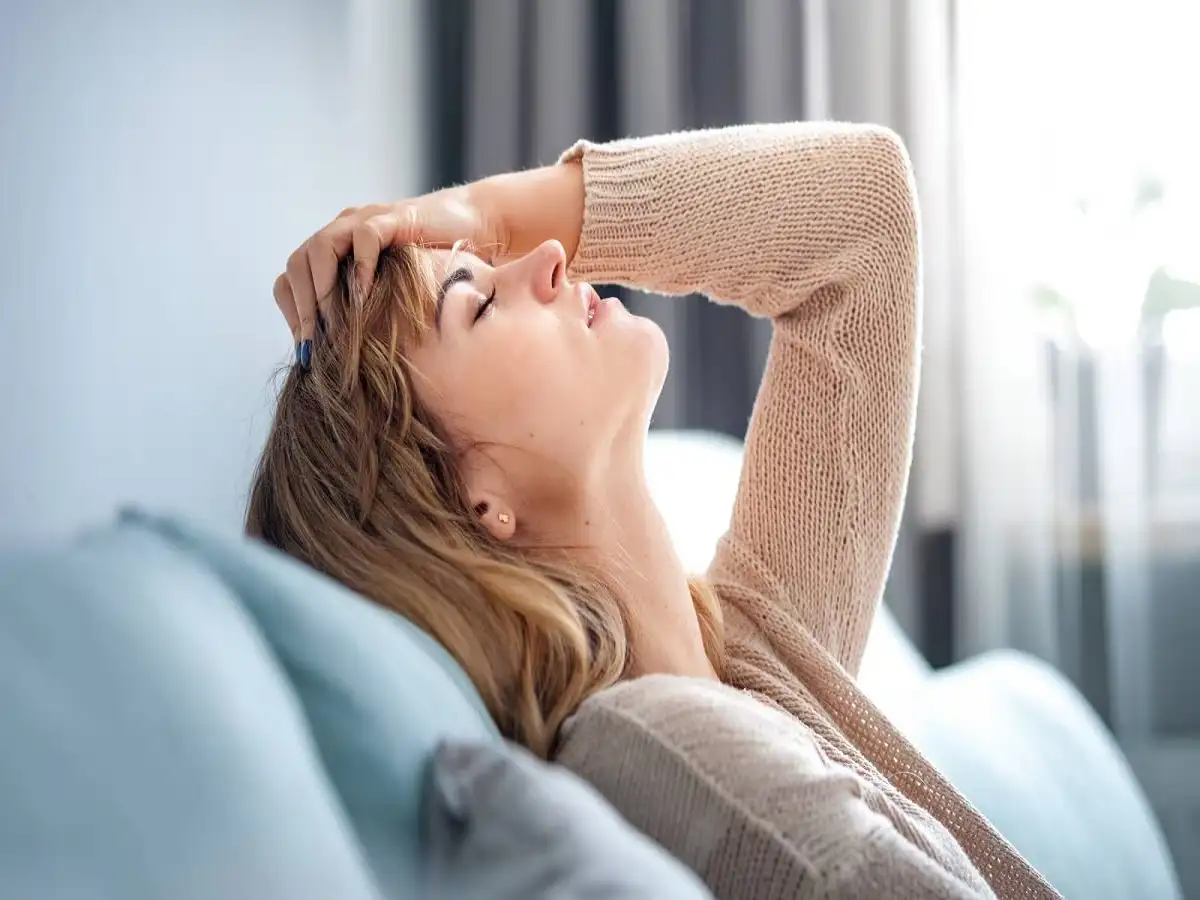
Menopause Symptoms in Women: Do you frequently wake up feeling exhausted despite spending several hours in bed? Are sudden nighttime sweating, restless sleep or unexpected mood changes becoming part of your daily routine? These symptoms may sometimes be associated with perimenopause, the transitional stage leading up to menopause.
Menopause is a natural biological milestone that marks the end of menstrual periods. It generally occurs between the ages of 45 and 55, although the timing can vary from woman to woman. Menopause is officially identified after 12 consecutive months without menstruation, provided there is no other medical explanation.
However, changes in hormone levels can begin several years before periods stop completely. During this transition, fluctuating estrogen levels may contribute to hot flashes, night sweats, disturbed sleep, difficulty concentrating and emotional changes.
Understanding these symptoms can help women recognise changes in their bodies, adopt healthier habits and seek medical guidance when necessary.
What Is Menopause and Why Does It Affect Sleep?
Menopause occurs when the ovaries gradually reduce their production of reproductive hormones, particularly estrogen and progesterone.
Before menopause, women usually experience a transitional period known as perimenopause. During this stage, menstrual cycles may become irregular, and hormone levels can fluctuate considerably.
These changes may affect the body's temperature regulation, sleep patterns and emotional well-being.
For some women, the transition causes relatively mild symptoms. Others may experience significant discomfort that interferes with work, family responsibilities and everyday activities.
Sleep-related problems are particularly common because nighttime hot flashes and sweating can repeatedly interrupt rest.
Poor sleep may then contribute to daytime tiredness, irritability and difficulty concentrating.
1. Night Sweats and Sudden Hot Flashes
One of the most recognisable symptoms associated with the menopause transition is a sudden sensation of intense heat, commonly called a hot flash.
A woman may feel unexpectedly warm around her face, neck or chest, even when the surrounding temperature is comfortable.
Some episodes are accompanied by sweating, flushing or a rapid heartbeat.
When these episodes occur during sleep, they are often described as night sweats.
A person may wake up feeling overheated, remove the blanket and then experience chills as the body cools down.
These repeated changes can make uninterrupted sleep difficult.
Hot flashes are thought to be associated with hormonal changes affecting the brain's temperature-regulating mechanisms.
Their frequency and severity vary considerably. Some women experience occasional episodes, while others have symptoms that continue for several years.
2. Difficulty Sleeping or Waking Up Repeatedly
Changes in sleep quality are another common concern during perimenopause and menopause.
Some women find it difficult to fall asleep, while others wake up several times during the night.
Night sweats can contribute to these interruptions, but sleep problems may also occur independently of hot flashes.
Hormonal fluctuations, stress, anxiety and other health conditions can influence sleep patterns.
Even when someone spends seven or eight hours in bed, frequent awakenings may prevent them from feeling properly rested.
Over time, poor-quality sleep can affect concentration, productivity and overall well-being.
Women experiencing persistent insomnia should avoid assuming that menopause is the only possible explanation.
A healthcare professional can help determine whether symptoms are related to hormonal changes, sleep apnea, medication effects or another underlying condition.
3. Persistent Daytime Fatigue and Low Energy
Feeling unusually tired during the day may be connected to disrupted sleep during the menopause transition.
Women who regularly wake up throughout the night may struggle to maintain their usual energy levels.
Everyday responsibilities, including household activities, professional work and exercise, may begin to feel more demanding.
Some women also report reduced motivation or difficulty staying alert during routine tasks.
However, fatigue is not specific to menopause.
Iron-deficiency anemia, thyroid disorders, depression, inadequate nutrition and other medical conditions can produce similar symptoms.
Persistent or unexplained exhaustion should therefore be evaluated rather than automatically attributed to hormonal changes.
Identifying the underlying cause is important because treatment will depend on what is contributing to the fatigue.
4. Brain Fog, Forgetfulness and Poor Concentration
Another symptom reported by some women during perimenopause is difficulty thinking clearly.
Often described as "brain fog," this experience may involve temporary problems with concentration, remembering information or maintaining attention.
For example, someone might forget why they entered a room, struggle to recall a familiar word or find it harder to focus on a complicated task.
Sleep disruption and stress may contribute to these difficulties.
Hormonal changes may also play a role, although the relationship between menopause and cognitive symptoms is complex.
Occasional forgetfulness during this stage does not necessarily indicate a serious neurological condition.
Nevertheless, rapidly worsening memory problems, confusion or cognitive changes that interfere significantly with daily life should be assessed by a healthcare professional.
5. Mood Swings, Irritability and Emotional Changes
The menopause transition may also affect emotional well-being.
Some women notice increased irritability, anxiety, emotional sensitivity or unexpected changes in mood.
These experiences can be influenced by several overlapping factors, including fluctuating hormones, poor sleep, personal stress and existing mental health conditions.
A person who has not slept properly for several nights may naturally feel less patient or more emotionally overwhelmed.
However, menopause does not cause severe mood problems in every woman.
Persistent sadness, significant anxiety or loss of interest in everyday activities should not be dismissed as an unavoidable part of aging.
Appropriate medical and psychological support can help address these symptoms.
How to Manage Menopause Symptoms Naturally
Although menopause is a normal life transition, uncomfortable symptoms can often be managed with practical lifestyle adjustments.
Maintain a consistent sleep schedule
Try to go to bed and wake up at approximately the same time every day. A regular routine can support healthier sleep patterns.
Keep the bedroom comfortable
A cool, well-ventilated sleeping environment may reduce discomfort from nighttime hot flashes. Lightweight bedding and breathable clothing can also help.
Eat a balanced diet
Include vegetables, fruits, whole grains, protein-rich foods and appropriate sources of calcium and vitamin D.
A nutritious diet supports overall health, although no particular food can reliably eliminate menopause symptoms.
Stay physically active
Regular walking, strength training and other suitable exercises may improve sleep quality, mood and general fitness.
Weight-bearing exercise is also beneficial for maintaining bone health as estrogen levels decline.
Identify personal triggers
Some women notice that alcohol, spicy foods, hot beverages or caffeine worsen their hot flashes.
Tracking symptoms may help identify individual triggers, although these factors do not affect everyone in the same way.
Practise relaxation techniques
Gentle stretching, breathing exercises and mindfulness may help manage stress and support better sleep.
These strategies can complement medical treatment but should not replace professional care when symptoms are severe.
When Should You Consult a Doctor?
Women should consider medical advice if sleep disturbances, night sweats, fatigue or emotional symptoms repeatedly interfere with daily activities.
A doctor may assess menstrual history, symptoms, medications and other possible health conditions.
Depending on the circumstances, tests may be recommended to investigate problems such as thyroid disease or anemia.
For women experiencing troublesome hot flashes or night sweats, evidence-based treatment options are available.
Menopausal hormone therapy can be effective for suitable patients, while certain non-hormonal prescription treatments may also help.
The appropriate choice depends on individual symptoms, medical history, risk factors and personal preferences.
Women who experience vaginal bleeding after 12 consecutive months without a period should seek medical evaluation, as postmenopausal bleeding requires investigation.
Can Menopause Symptoms Begin Before Age 45?
Yes. Perimenopausal symptoms can begin before a woman reaches her late forties.
Although menopause most commonly occurs between 45 and 55, some women experience it earlier.
Menopause occurring between ages 40 and 44 is generally described as early menopause, while menopause before age 40 may indicate premature ovarian insufficiency.
Women experiencing persistent menstrual changes or suspected menopausal symptoms before age 45 should discuss them with a healthcare professional.
Earlier hormonal changes may require additional evaluation, particularly because estrogen plays an important role in bone and cardiovascular health.
Final Thoughts
Feeling tired throughout the day while struggling to sleep at night can sometimes be linked to perimenopause or menopause, especially when accompanied by hot flashes, night sweats, irregular periods or mood changes.
However, these symptoms are not enough on their own to confirm menopause, and other medical conditions may be responsible.
Recognising the early signs, maintaining healthy daily habits and seeking professional advice when symptoms become troublesome can make this transition easier to manage.
The key message: Menopause is a natural stage of life, but persistent exhaustion, insomnia and other disruptive symptoms deserve attention. Effective treatment and support are available, and women do not have to simply tolerate symptoms that affect their quality of life.
Medical disclaimer: This article provides general health information and is not a substitute for professional medical diagnosis or treatment.