LIFESTYLE
Hair Fall and Thinning: 5 Everyday Hair Care Mistakes That Can Damage Your Hair and Increase Breakage
Dealing with excessive hair fall, thinning strands or frequent breakage can be frustrating. While genetics, hormonal changes, nutritional deficiencies and stress can contribute to hair loss, everyday hair care habits may also affect the strength and appearance of your hair.
Many people spend considerable money on expensive shampoos, conditioners and hair treatments without paying attention to their daily grooming routine. Simple mistakes, such as washing hair with extremely hot water, using excessive heat or brushing wet strands aggressively, can gradually damage the hair shaft.
Making a few practical changes to your hair care routine may help minimise unnecessary breakage, improve moisture retention and maintain healthier-looking hair. Here are five common mistakes you should avoid.
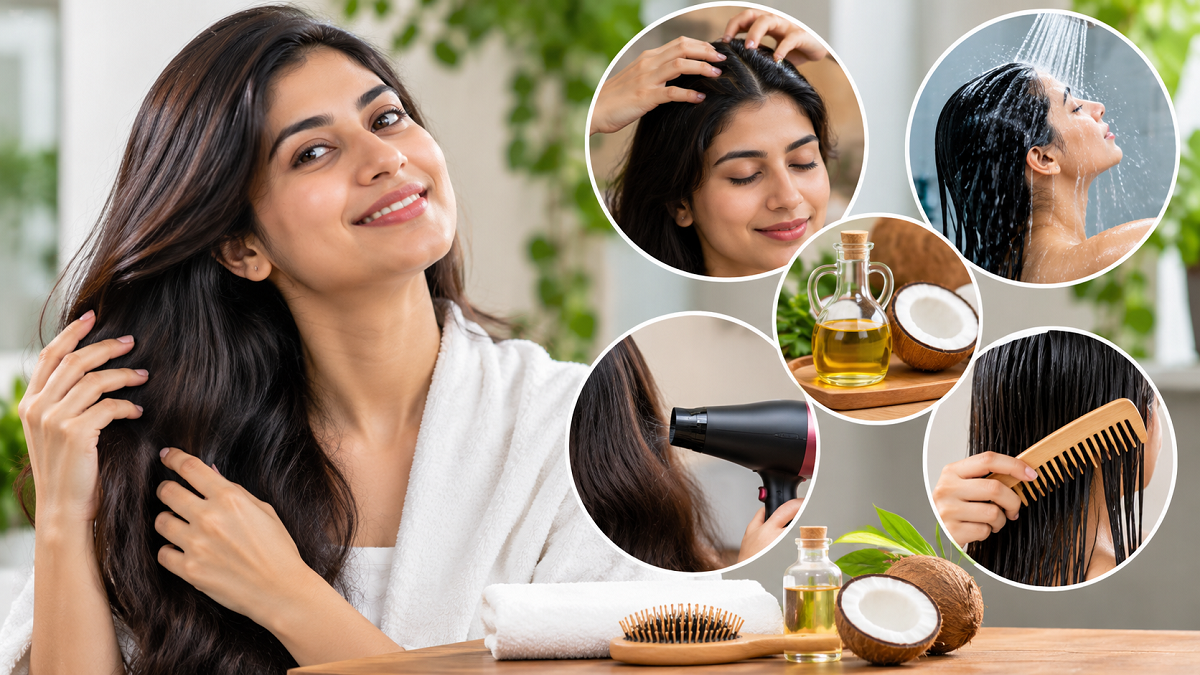
1. Leaving Hair Oil on for Too Long
Hair oiling is a popular traditional practice in many Indian households. Coconut oil, in particular, can help reduce protein loss from hair strands and protect them against certain types of damage.
However, applying excessive oil or leaving heavily oiled hair exposed to outdoor pollution may allow dust and dirt to accumulate.
Instead of keeping your hair heavily oiled throughout the day, consider applying a small amount of coconut oil a few hours before washing.
Massage your scalp gently using your fingertips without scratching or applying excessive pressure. Avoid vigorous rubbing, as it may cause fragile strands to break.
There is no universal requirement to leave oil on for a specific number of hours. Choose a routine that suits your hair type and scalp condition.
People experiencing dandruff, scalp irritation or excessive oiliness should consult a dermatologist before adopting frequent scalp oiling.
2. Washing Your Hair With Extremely Hot Water
A hot shower may feel relaxing, particularly during winter, but exposing your hair to very high water temperatures can contribute to dryness.
Excessively hot water may remove natural oils from the scalp and hair, leaving strands rough, frizzy and more vulnerable to damage.
Using lukewarm water is generally a gentler alternative. It helps remove accumulated dirt, sweat and excess oil without unnecessarily exposing your scalp to extreme temperatures.
After shampooing, apply a suitable conditioner to the middle sections and ends of your hair to improve manageability and reduce friction.
Individuals with naturally dry, curly or chemically treated hair should be especially careful about their water temperature and washing routine.
3. Using Too Much Shampoo or Scrubbing Aggressively
Applying a large quantity of shampoo does not necessarily make your hair cleaner. Excessive cleansing, particularly with harsh products, can leave hair feeling dry and difficult to manage.
Take an appropriate amount of shampoo in your palm and gently distribute it across your wet scalp. You can mix it with a little water immediately before application if that helps spread the product evenly.
Focus primarily on cleansing the scalp rather than aggressively rubbing the entire length of your hair.
When rinsing, allow the shampoo to flow naturally through the strands. Follow the instructions provided on the product packaging and choose a shampoo suitable for your scalp and hair type.
The frequency of shampooing should depend on factors such as scalp oiliness, physical activity, environmental exposure and individual hair texture.
4. Frequently Using High-Temperature Hair Dryers
Hair dryers, straighteners and curling irons can make styling convenient, but frequent exposure to intense heat may weaken the hair shaft over time.
High-temperature styling can contribute to moisture loss, split ends, roughness and increased breakage.
Whenever possible, allow your hair to air-dry naturally in a well-ventilated environment. Avoid prolonged exposure to intense direct sunlight, as ultraviolet radiation can also damage hair.
If you need to use a hair dryer, follow these precautions:
- Select a low or medium heat setting.
- Maintain a reasonable distance between the dryer and your hair.
- Keep the dryer moving instead of concentrating heat on one section.
- Consider using a suitable heat-protection product.
- Avoid unnecessary daily use of straighteners and curling irons.
Gently blotting excess moisture with a soft towel can also help reduce drying time without creating excessive friction.
5. Brushing Wet Hair With Excessive Force
Hair is generally more vulnerable to stretching and mechanical damage when wet. Pulling a brush through tangled, fragile strands can increase breakage.
After washing, gently remove excess water using a soft towel rather than rubbing your hair vigorously.
Use a wide-toothed comb to remove tangles carefully, beginning at the ends and gradually moving towards the roots.
People with straight hair may benefit from allowing it to dry partially before combing. However, individuals with curly or textured hair may find it easier to detangle damp hair with conditioner.
Avoid pulling stubborn knots forcefully or tying wet hair into excessively tight ponytails and buns.
Healthy Hair Care Habits at a Glance
| Common Hair Care Mistake | Healthier Alternative |
|---|---|
| Leaving heavily oiled hair exposed to dust | Apply oil before washing |
| Washing hair with very hot water | Use lukewarm water |
| Excessive shampooing and scrubbing | Cleanse the scalp gently |
| Frequent high-temperature styling | Air-dry or use low heat |
| Forcefully brushing wet hair | Detangle gently with a wide-toothed comb |
Nutrition and Lifestyle Also Influence Hair Health
Alongside a gentle grooming routine, maintaining a balanced diet is important for normal hair growth.
Include adequate protein, iron, zinc and essential vitamins through nutritious foods such as pulses, leafy vegetables, nuts, seeds, dairy products and other suitable protein sources.
Getting sufficient sleep, managing stress and avoiding restrictive crash diets may also support overall hair health.
However, taking nutritional supplements without identifying an actual deficiency is not recommended, as excessive intake of certain nutrients can have adverse effects.
When Should You Consult a Dermatologist?
Hair breakage and hair loss from the roots are different conditions. Improving your grooming habits may reduce breakage, but it may not address underlying medical causes of hair loss.
If you notice sudden shedding, bald patches, a widening hair part, persistent scalp irritation or progressive thinning, consult a qualified dermatologist.
Conditions such as thyroid disorders, iron deficiency, hormonal imbalances and hereditary hair loss may require specific medical treatment.
A consistent and gentle hair care routine can help protect your strands from avoidable damage. Rather than relying entirely on expensive products, focus on healthier everyday habits that support stronger, smoother and more manageable hair.
Disclaimer: This article is intended for general informational purposes. Hair care practices may help reduce breakage but cannot guarantee the prevention or reversal of medical hair loss. Consult a qualified healthcare professional for persistent or excessive hair shedding.