
LIFESTYLE
Winter Home Dust: Why does dust accumulate so quickly in the house during winter? Don't forget to clean these areas.
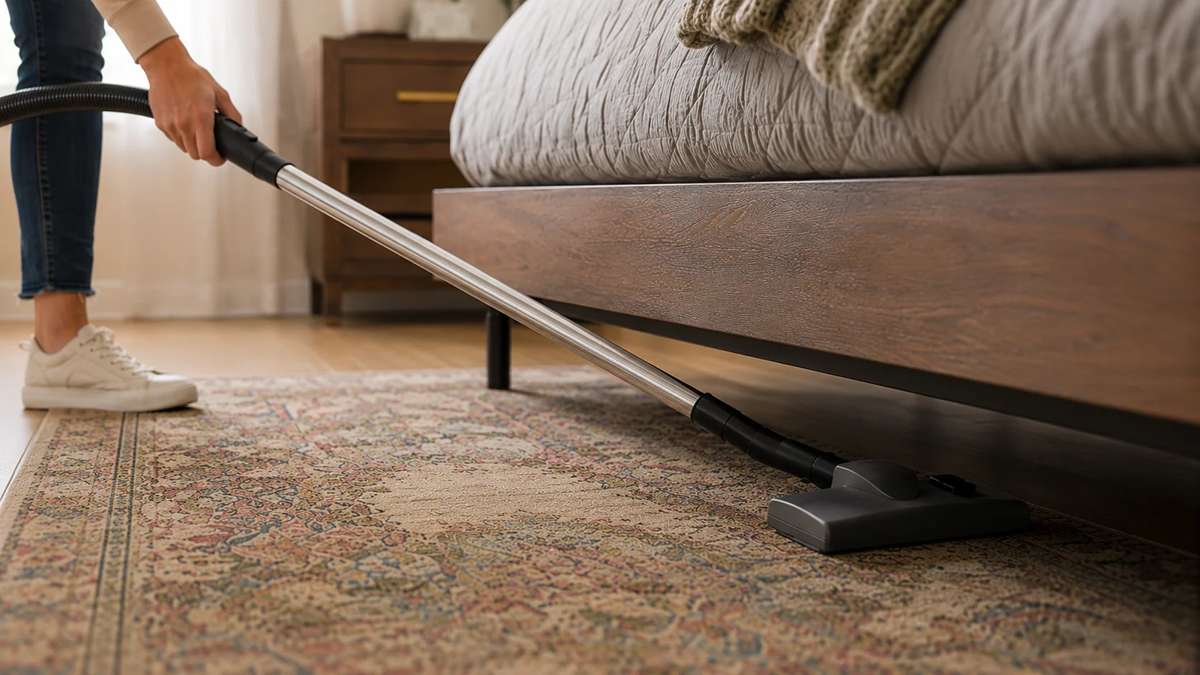
HEPA Filter Vacuum: During winter, people spend more time indoors. Dead skin and hair also contribute to household dust. Let us explain.
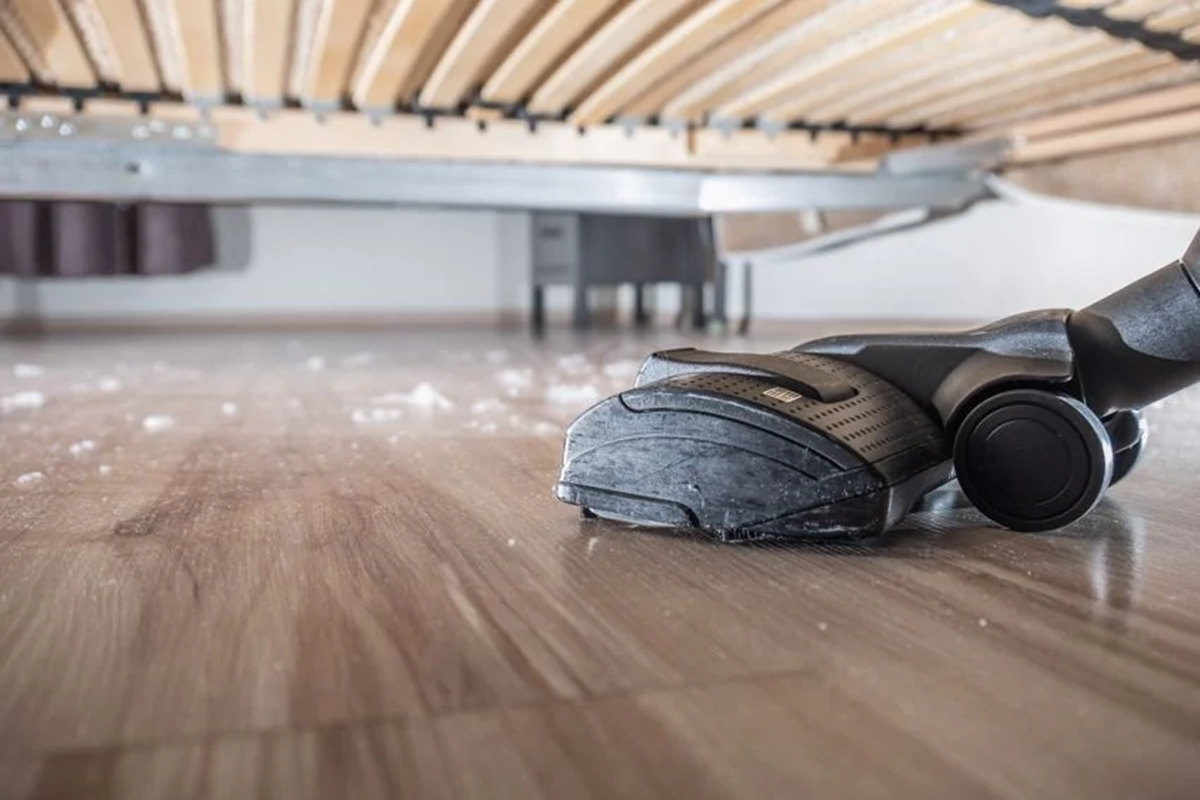
Winter Home Dust
How to Reduce Dust in Winter: Shortly after cleaning your house in winter, dust can start to appear again on furniture, floors, and other surfaces. During winter, doors and windows remain closed for extended periods of time. This reduces fresh air and ventilation, leading to increased dust accumulation inside the home. Along with cold and dry air, heating systems also reduce humidity, allowing dust particles to float more freely in the air and stick to surfaces.
Why does the house get more dusty in winter?
During winter, people spend more time indoors. Dead skin and hair also contribute to household dust. If you have pets, their dry skin, hair, and dander can also contribute to dust. Furthermore, heating systems run for longer periods during winter. Dust that settles on the floor can be carried back into the air and carried to other parts of the house. If a wood-burning heater is used, ash and very small particles can also be added to the dust.
First of all, pay attention to the filter of the heating system
To reduce household dust during the winter, it's important to replace your heating system's filter regularly. When the filter becomes dirty, it can't effectively trap dust from the air, putting more strain on the system. If you have a 1-inch-thick filter, it's recommended to replace it at least every three months. Many filters that are 4 to 5 inches thick may last longer.
It can also be beneficial to have your heating system professionally serviced before the winter sets in. This can keep the system running efficiently and help keep the indoor air clean.
Do not store items near the vents.
Placing furniture or other objects in front of air vents and air returns can disrupt air flow. This can make the heating system work harder and impair proper air circulation. Therefore, try to leave about 6 to 12 inches of space in front of the vents. This will keep the airflow open and the system functioning efficiently.
Keep the humidity at 30 to 50 percent.
The air becomes drier in winter. A comfortable indoor humidity level of around 30 to 50 percent is considered optimal. This allows dust particles to settle quickly instead of remaining suspended in the air. A humidifier can be used if needed. Some people also increase humidity by keeping plants indoors or heating water on the stove.
Avoid these mistakes while cleaning dust.
When cleaning your house, simply blowing dust from one place to another isn't the right approach. Dusting with a dry cloth can spread small particles into the air. Instead, use a slightly damp microfiber cloth. This allows the dust to cling to the cloth, allowing it to be washed away later. Along with the floor, clean areas where dust easily hides. Soft surfaces like sofas, curtains, pillows, and mattresses can accumulate a lot of dust. These also need to be vacuumed regularly.
If you have pets, their cleaning is also important.
If you have pets, pay attention to their grooming. Pet hair and dander can contribute to household dust. Clean their bedding and other items regularly.
Don't ignore bedsheets and bedding either.
Dead skin cells accumulate on bedding and can also attract dust. Therefore, it's best to change and wash bedsheets weekly. Also, clean comforters, blankets, and other heavy bedding frequently.