
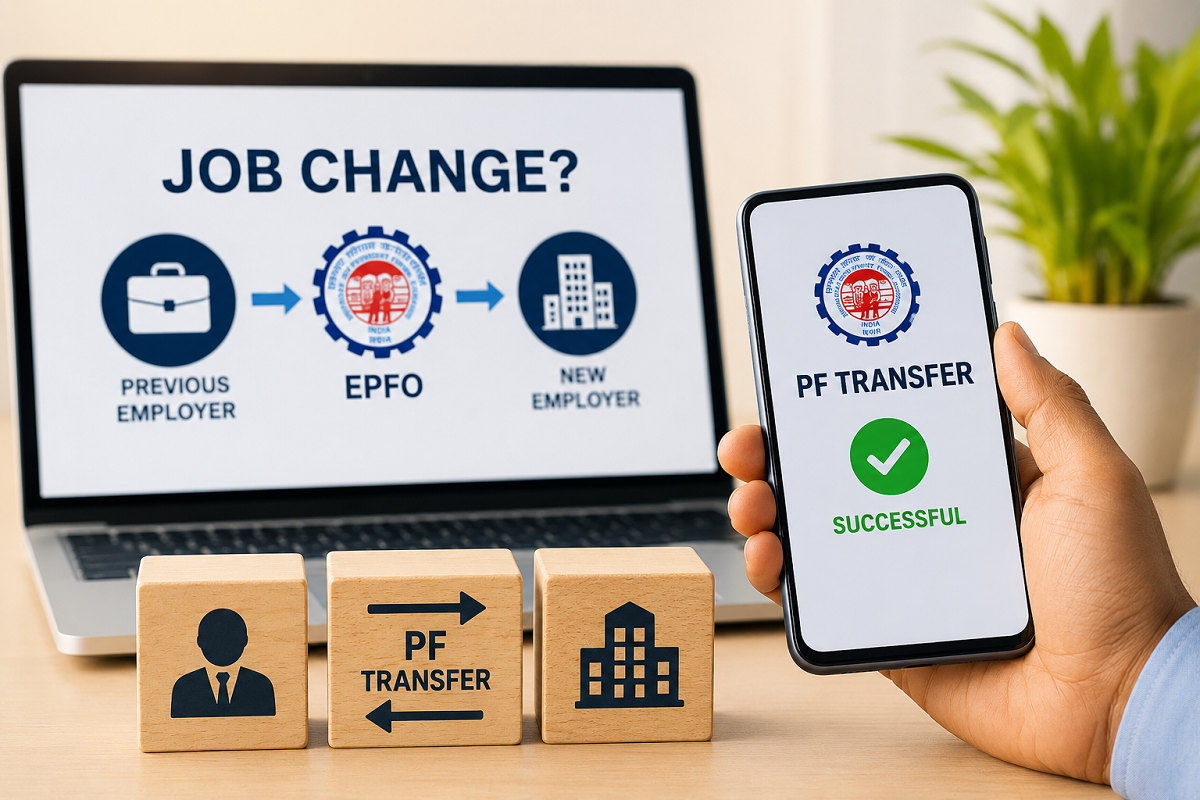
EPFO introduces key changes to the PF transfer process, making job switches smoother for eligible employees
Employees planning to switch jobs should take note of the latest changes introduced by the Employees' Provident Fund Organisation (EPFO). The retirement fund body has recently updated several of its rules, including important provisions related to Provident Fund (PF) transfers, with the aim of simplifying the process for salaried employees.
The revised guidelines are expected to make it easier for workers to transfer their PF balance when changing employers, reducing paperwork and speeding up the transition in eligible cases. Here's a detailed look at what the new PF transfer rule means for employees.
EPFO Revises PF Transfer Process
The EPFO has rolled out multiple reforms to improve member services, and PF account transfers are among the key areas that have been updated.
Earlier, employees often had to complete additional formalities or wait for approvals when moving from one employer to another. Under the revised framework, the process is expected to become more streamlined, helping members carry forward their retirement savings with fewer complications.
The initiative is part of EPFO's broader effort to digitize services and improve the overall experience for its subscribers.
What the New Rule Means for Employees
The updated PF transfer guidelines are designed to reduce delays and simplify account migration after a job change.
Some of the expected benefits include:
- Faster transfer of PF balances between employers.
- Reduced paperwork for eligible members.
- Improved digital processing through the EPFO portal.
- Better tracking of transfer requests.
- A smoother transition when joining a new organization.
Employees should ensure that their Universal Account Number (UAN) remains active and correctly linked with their employment records to avoid delays.
Keep Your EPFO Details Updated
To benefit from the simplified transfer process, employees should verify that their EPFO profile contains accurate information.
Important details include:
- Aadhaar linked with UAN.
- Correct PAN information.
- Updated bank account details.
- Active mobile number.
- Accurate personal information matching official records.
Any mismatch in these records could delay the transfer process or require additional verification.
Why PF Transfer Matters
Transferring your Provident Fund instead of withdrawing it helps maintain the continuity of your retirement savings.
Keeping the same PF account active offers several advantages:
- Continuous accumulation of retirement savings.
- Ongoing interest on the transferred balance.
- Better pension eligibility under applicable EPF schemes.
- A complete employment contribution history under one account.
Financial experts generally recommend transferring the PF balance after changing jobs instead of making premature withdrawals, unless necessary.
Employees Should Check Eligibility
While the updated process aims to simplify transfers, eligibility may depend on factors such as:
- Proper UAN activation.
- Accurate KYC verification.
- Employer compliance with EPFO requirements.
- Completion of necessary digital formalities.
Employees should review the latest EPFO guidelines and ensure all required information is updated before initiating a transfer request.
Final Takeaway
The latest PF transfer reforms are intended to make job transitions more convenient for EPFO subscribers. By reducing procedural hurdles and encouraging digital processing, the organization aims to help employees move their retirement savings seamlessly when switching employers.
Anyone planning to change jobs should review the updated EPFO rules, keep their UAN and KYC details current, and complete the transfer process promptly to ensure uninterrupted growth of their Provident Fund savings.