Credit Score Tips: A good credit score has become an important part of a person's financial profile. Whether you are applying for a home loan, personal loan, car loan or credit card, lenders generally review your credit history before deciding whether to approve the application and what terms to offer.
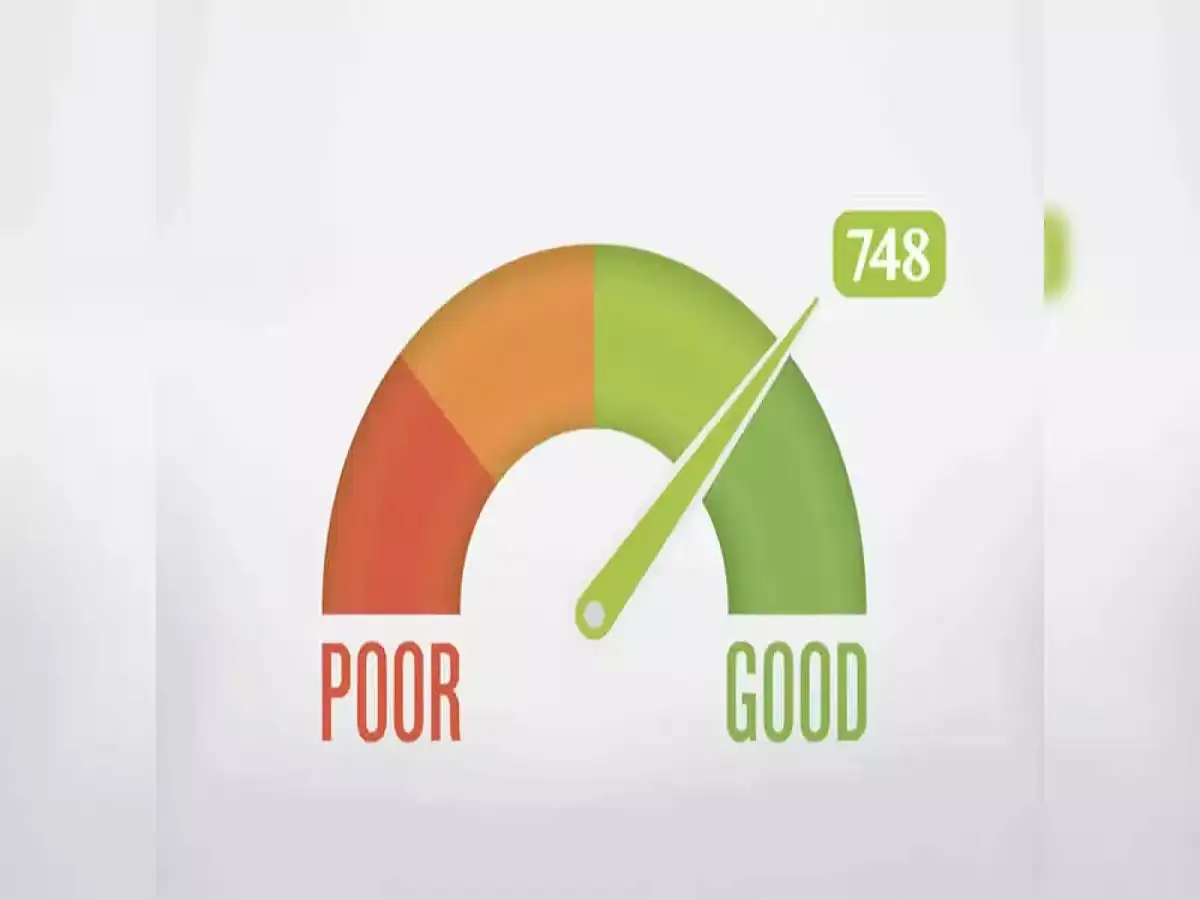
A credit score is typically a three-digit number within a range of 300 to 900. In India, credit information companies such as TransUnion CIBIL, Experian, Equifax and CRIF High Mark generate credit reports and scores based on information reported by banks and other lenders.
A higher score generally indicates stronger creditworthiness, while a lower score may make borrowing more difficult or affect the interest rate and other terms offered by lenders.
However, a decline in your credit score does not necessarily mean you have deliberately missed an EMI or mismanaged a loan. Incorrect information, delayed updates, duplicate accounts or even an unfamiliar credit account appearing on your report can potentially affect your credit profile.
If your score has unexpectedly fallen, checking your credit report carefully should be one of your first steps. Here are five areas that deserve particular attention.
1. Review Your Credit Report Regularly
Many borrowers check their credit report only when they are about to apply for a loan. A better approach is to review it periodically so that mistakes can be identified before they create problems during a new credit application.
When checking the report, review personal information such as your name and contact details as well as your loan and credit card accounts.
Pay particular attention to outstanding balances, repayment records, account status and recent credit enquiries. If something does not match your records, investigate it rather than ignoring the discrepancy.
Regular monitoring can also help you understand which financial habits may be affecting your credit score.
2. Look for Loans or Accounts You Don't Recognise
An unfamiliar loan or credit account is something that should not be overlooked.
Suppose your credit report shows a personal loan, home loan, credit card or another borrowing facility that you never applied for. This could be the result of an incorrect reporting or data-matching issue. In some situations, an unfamiliar account may also require further investigation for possible identity misuse.
Check the lender's name, loan amount, account details and payment history. If you are certain that the account does not belong to you, contact the credit bureau and the concerned lender through their official channels.
The sooner such an issue is investigated, the easier it may be to prevent incorrect information from continuing to affect your credit profile.
3. Verify Your EMI and Payment History
Payment history is an important component of a borrower's credit profile. Late or missed payments reported by lenders can negatively affect a credit score.
But what happens if you paid your EMI on time and the report still shows it as late?
Compare the repayment information in your credit report with your bank statements, loan account statements and payment receipts. Keep supporting documents showing when the payment was made.
If the lender's records and your credit report do not match, you can raise the matter with the concerned institution and credit bureau.
Going forward, paying EMIs and credit card bills on or before their due dates can help maintain a healthier repayment history.
4. Check Closed Loans and Duplicate Accounts
Paying off a loan does not mean you should immediately forget about it. After completing repayment, check whether the account has been correctly updated in your credit report.
A fully repaid loan should generally reflect the appropriate closure status once the lender reports the update.
Look for issues such as an incorrect outstanding balance, a closed account continuing to appear as active, or the same loan appearing more than once.
You should also pay attention to the difference between statuses such as “Closed” and “Settled.” They do not necessarily mean the same thing. A settled status may indicate that the lender accepted less than the total amount originally due, which can have implications for your credit profile.
If you believe the status is incorrect, contact the lender for clarification and request correction where appropriate.
5. Raise a Dispute When You Find an Error
If you identify incorrect information, don't assume that it will automatically disappear from your report.
First, verify the account details, dates, amounts and supporting documents. Once you are confident that there is an error, use the concerned credit bureau's official dispute-resolution mechanism.
Depending on the nature of the issue, you may also need to contact the bank, NBFC or other lender that originally submitted the information.
Keep copies of loan statements, payment receipts, closure documents and relevant correspondence. These records can be useful when explaining the discrepancy.
How Can You Build a Better Credit Score Over Time?
Correcting inaccurate information is only one part of maintaining a healthy credit profile. Your financial behaviour also matters.
Pay loan EMIs and credit card dues on time, avoid repeatedly applying for unnecessary credit, and keep track of outstanding balances. If you have several active loans or credit cards, monitor all their due dates carefully so that a payment is not missed accidentally.
Improving a credit score generally takes time. There is no legitimate shortcut that can guarantee an immediate jump in your score.
Don't Ignore an Unexpected Credit Score Drop
A sudden decline in your credit score deserves attention, particularly if you have been making your payments on time.
Start by checking your complete credit report rather than focusing only on the three-digit score. An incorrect payment status, unfamiliar account, duplicate entry or outdated loan information may help explain what happened.
Finding and disputing genuine errors early can help ensure that your credit report more accurately reflects your borrowing and repayment history. At the same time, consistent and timely repayment remains one of the most important habits for maintaining a strong credit profile over the long term.