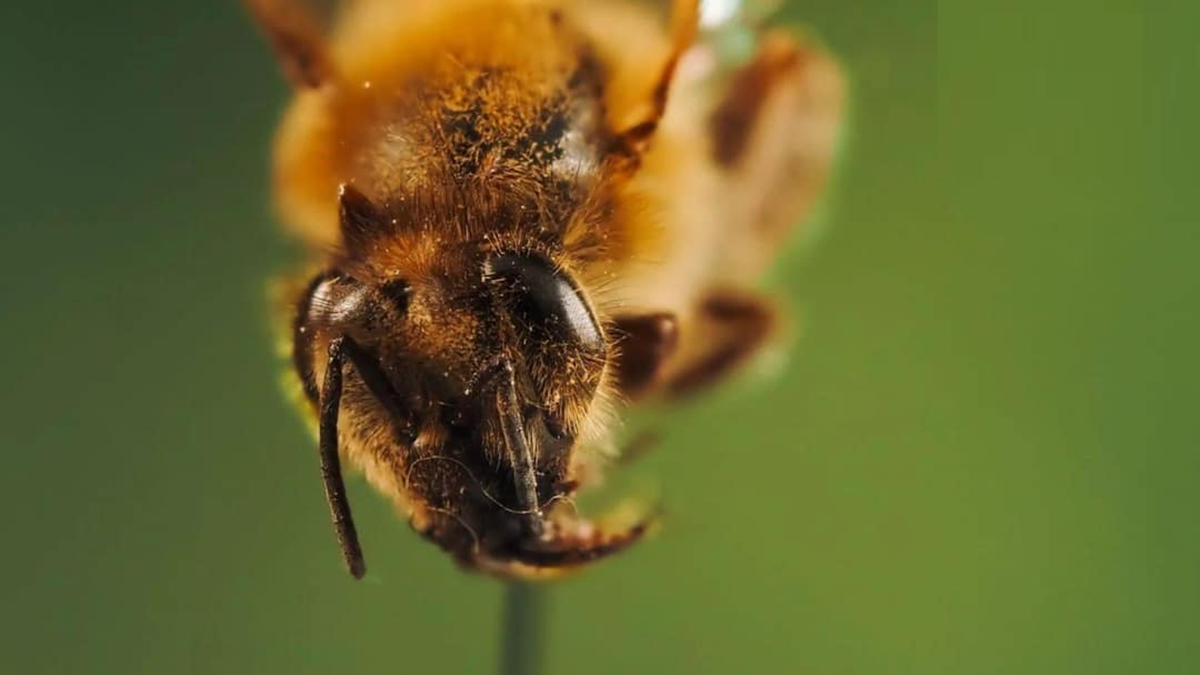
In research by scientists, melittin present in bee venom showed an effect on aggressive breast cancer cells. Know the complete research and how effective it is.
Breast Cancer Research
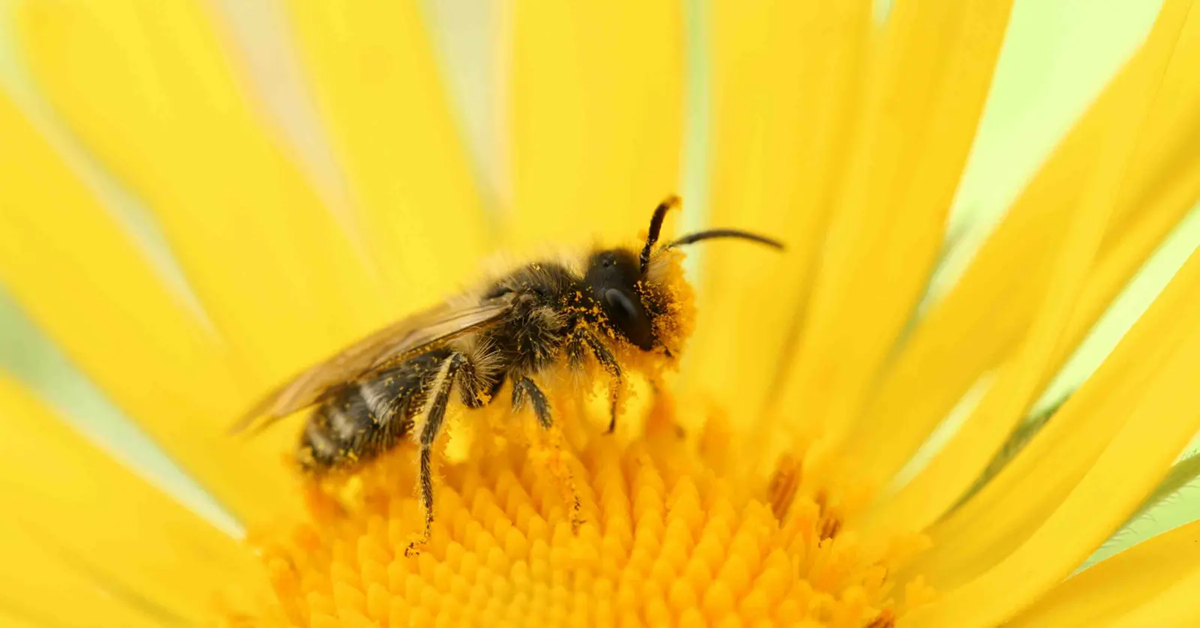
Breast cancer is one of the most common cancers in women. Surgery, chemotherapy, and other medical techniques are used to treat it. Meanwhile, scientists have conducted research on bee venom, raising hopes for new cancer treatment possibilities. The research found that a compound called melittin, found in bee venom, has been effective in eliminating some of the harmful cells that cause breast cancer.
What was found in bee venom?
Scientists from Australia's Harry Perkins Institute of Medical Research and the University of Western Australia studied bee venom, focusing on a peptide called melittin, a component found in bee venom. In laboratory tests, it demonstrated the ability to damage and destroy certain aggressive breast cancer cells. Scientists are now trying to understand how this effect could be used for future treatments.
Effect shown on aggressive breast cancer cells
The study tested bee venom and melittin on triple-negative breast cancer and HER2-associated cancer cells, types of breast cancer where treatment strategies are determined by the specific characteristics of the disease. In the laboratory, melittin damaged the outer cells of cancer cells. In some tests, the effect on the cells was rapid.
Use with chemotherapy is also being investigated
Scientists have also studied the effects of combining melittin with certain chemotherapy drugs on cancer cells. Preliminary experiments have shown that some combinations may enhance their effectiveness against cancer cells. This suggests the potential for future research into new treatments. However, it remains unclear how effective this treatment will be in humans, what dosages are safe, and what side effects may occur.
How much damage is done to healthy cells?
Some laboratory tests have studied the effects on cancer cells as well as healthy cells. However, this does not conclude that bee venom is completely safe for humans. The dosage, route of delivery, and potential side effects need to be investigated. Bee stings can cause allergic reactions and severe reactions in some people. Therefore, self-administering bee venom for cancer treatment can be dangerous.
Disclaimer: This is a report based on preliminary research. Bee venom is not considered a proven cancer treatment, and it is unsafe to try at home.