Business
Cheque Bounce Rules 2026: Can Repeated Bounced Cheques Freeze Your Bank Account? Know RBI Guidelines
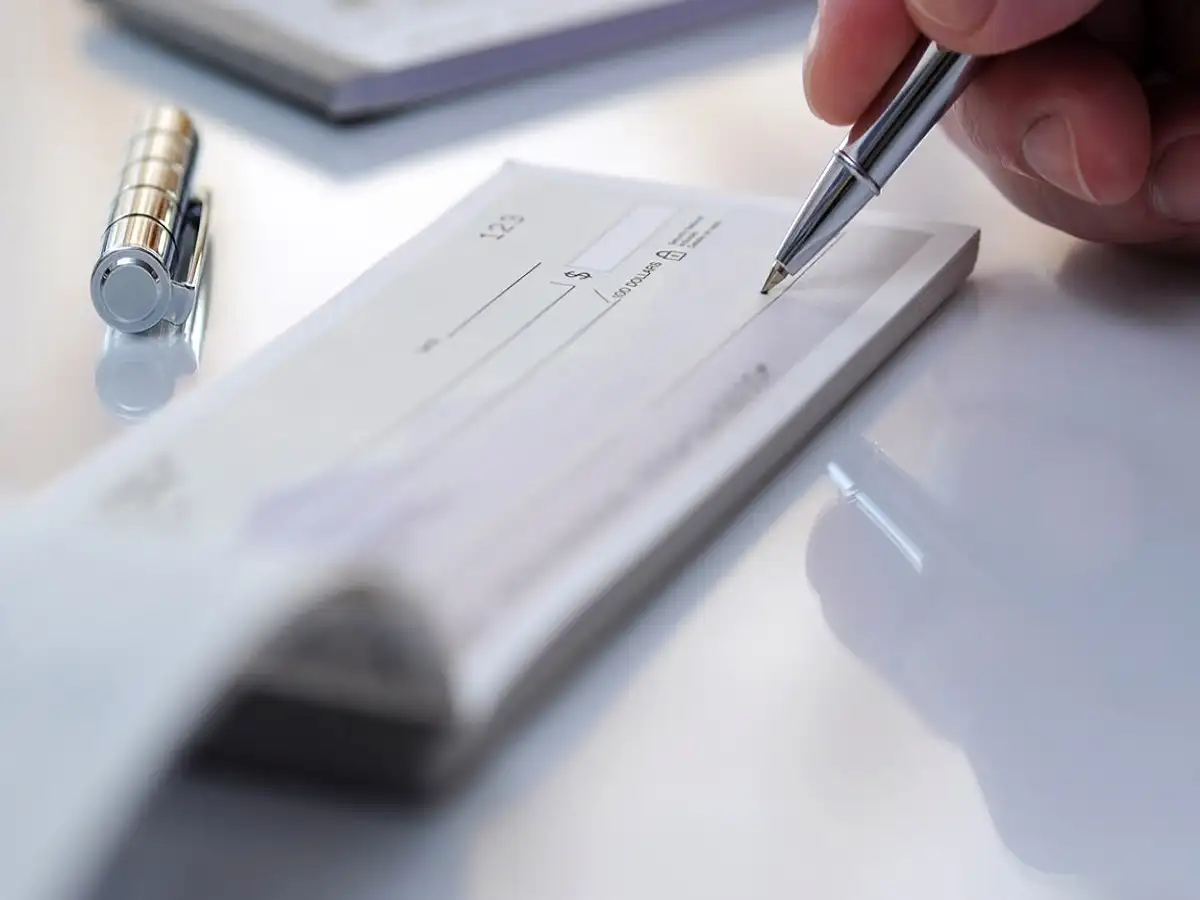
Cheque Bounce Rules 2026: Cheques continue to play an important role in banking transactions across India, particularly for business payments, loan repayments, property transactions and other financial commitments. However, issuing a cheque without sufficient funds or making errors while filling it out can result in the cheque being returned unpaid.
A cheque bounce may appear to be a minor banking problem, but repeated incidents can create financial difficulties. Depending on the circumstances, customers may face cheque-return charges, restrictions on certain banking facilities or legal proceedings.
One common concern among bank customers is whether repeated cheque bounces can lead to their savings or current account being frozen.
The Reserve Bank of India (RBI) has issued instructions concerning cheque-related banking practices, while the Negotiable Instruments Act, 1881, provides legal remedies for certain cases of cheque dishonour.
Here is what customers should understand about cheque bounce rules, account restrictions, penalties and possible legal consequences.
What Is a Cheque Bounce and Why Does It Happen?
A cheque bounce occurs when a bank refuses to honour a cheque presented for payment.
This is also known as cheque dishonour.
Several situations can cause a cheque to be returned unpaid.
Insufficient Account Balance: One of the most common reasons is that the account holder does not have enough money to cover the amount written on the cheque.
Signature Mismatch: If the signature on the cheque does not match the signature maintained in the bank's records, the cheque may be rejected.
Incorrect Cheque Details: Errors involving the date, amount, beneficiary details or other required information can lead to rejection.
Stop-Payment Instructions: A cheque may be returned if the account holder has instructed the bank to stop payment.
Closed or Restricted Account: Cheques drawn on closed accounts or accounts subject to applicable restrictions may also be dishonoured.
Technical Problems: Certain processing errors or banking-related issues may result in a cheque being returned.
The consequences depend on the reason for dishonour and the circumstances in which the cheque was issued.
RBI Cheque Bounce Guidelines: What Happens After Repeated Incidents?
Banks may take action against customers who repeatedly issue cheques that are returned unpaid.
However, the action depends on the bank's policies, applicable RBI instructions and the nature of the transactions.
Repeated cheque dishonour does not automatically result in the same penalty at every bank.
Possible consequences include the following.
1. Restrictions on Cheque Book Facilities
Banks may restrict or withdraw cheque book facilities in certain cases involving repeated dishonour.
Such decisions must be consistent with applicable regulatory requirements and the bank's disclosed policies.
Customers should check their bank's terms to understand when restrictions may apply.
2. Cheque Return Charges
Banks may impose cheque-return charges when a cheque is dishonoured.
The amount depends on the bank's applicable schedule of charges and the reason for the return.
Customers should review their account statements and bank policies to identify the applicable fees.
3. Additional Banking Review
Repeated cheque returns may lead banks to review the customer's account activity or cheque-related facilities.
However, this should not be confused with an automatic freeze of the entire bank account.
Any broader account restriction must have an appropriate legal, regulatory or contractual basis.
Can Your Bank Account Be Frozen After Multiple Cheque Bounces?
Repeated cheque bounces do not automatically mean that a bank will freeze your entire savings or current account.
A cheque being returned unpaid and an account being frozen are two different banking situations.
When a cheque bounces, the bank declines to process that particular payment.
An account freeze, on the other hand, involves restrictions on certain transactions or access to funds.
Banks may freeze or restrict accounts under legally permitted circumstances, including:
- Orders issued by courts or other competent authorities.
- Directions from authorised regulatory or law-enforcement agencies.
- Suspected fraudulent transactions where restrictions are legally justified.
- Other circumstances permitted under applicable banking laws and regulations.
Therefore, customers should not assume that their accounts will automatically be frozen simply because several cheques have bounced.
If an account is restricted, the customer should contact the bank and request an explanation of the reason and the steps required to resolve the issue.
Does RBI Have a Special Rule for Cheques Worth ₹1 Crore?
Some discussions about cheque dishonour refer to restrictions involving high-value cheques, including transactions of ₹1 crore or more.
However, customers should not assume that every repeated dishonour of a cheque worth ₹1 crore automatically results in permanent cancellation of cheque book facilities.
The applicable position depends on the relevant RBI instructions, the bank's policy and the circumstances of the transaction.
Banks may have specific procedures for repeated dishonour of high-value cheques, but the exact requirements should be verified before treating any particular threshold as a universal rule.
Cheque Bounce Legal Action Under Section 138
Cheque dishonour can also have legal consequences under Section 138 of the Negotiable Instruments Act, 1881.
This provision generally concerns cheques issued toward the discharge of a legally enforceable debt or liability that are returned unpaid because of insufficient funds or because the amount exceeds the arrangement made with the bank.
Other legally recognised circumstances may also become relevant depending on the facts and judicial interpretation.
However, not every returned cheque automatically results in a criminal offence.
Certain statutory conditions must be satisfied before proceedings under Section 138 can succeed.
What Is the Legal Procedure After a Cheque Bounces?
The law provides a specific procedure for eligible cheque dishonour cases.
Step 1: Cheque Dishonour
The cheque must be presented within its validity period and returned unpaid under circumstances covered by the law.
Step 2: Written Demand Notice
The payee or holder in due course must generally issue a written demand notice within 30 days of receiving information from the bank that the cheque has been dishonoured.
Step 3: Opportunity to Make Payment
The cheque issuer receives 15 days from the date of receipt of the demand notice to make the required payment.
Step 4: Legal Complaint
If payment is not made within the prescribed period, the payee may initiate legal proceedings, subject to the statutory requirements.
A complaint under Section 138 is generally required to be filed within one month of the date on which the cause of action arises, subject to the court's power to condone delay in appropriate cases.
What Is the Punishment for Cheque Bounce in India?
If a person is convicted under Section 138 of the Negotiable Instruments Act, the law provides for:
- Imprisonment of up to two years.
- A fine that may extend to twice the cheque amount.
- Both imprisonment and a fine.
However, these are the statutory maximum penalties, not automatic punishments for every bounced cheque.
The outcome depends on the evidence, legal requirements and the court's decision.
A cheque bounce does not automatically mean that the account holder will be arrested or imprisoned.
Can Repeated Cheque Bounces Affect Your CIBIL Score?
Another concern is whether cheque dishonour can damage a person's credit score.
A bounced cheque does not necessarily cause an automatic reduction in the account holder's CIBIL score.
Credit scores are primarily influenced by information reported by lenders, including repayment behaviour, outstanding loans and credit account performance.
However, a cheque bounce may indirectly affect a credit score if it results in a missed loan repayment or another reportable credit default.
For example, if a cheque issued toward a loan instalment is dishonoured and the payment remains overdue, the lender may report the missed payment to a credit information company.
Therefore, the financial consequences depend on the purpose of the cheque and whether the underlying credit obligation is fulfilled.
What Should You Do If Your Cheque Bounces?
If your bank informs you that a cheque has been returned unpaid, take action promptly.
First, check the cheque-return memo to identify the reason for dishonour.
If the issue is insufficient funds, arrange the required amount and contact the payee to discuss repayment.
If the cheque was rejected because of incorrect details or a signature mismatch, consult your bank about the appropriate correction.
If you receive a legal demand notice, do not ignore it. Consider obtaining professional legal advice and responding within the applicable timeframe.
Prompt action may help prevent an ordinary payment issue from developing into a more serious financial or legal dispute.
How to Avoid Cheque Bounce Problems
Customers can reduce the risk of cheque dishonour by following a few practical precautions.
- Maintain sufficient funds: Ensure your account contains enough money before issuing a cheque.
- Check all details: Verify the date, amount, payee name and signature.
- Track issued cheques: Keep a record of cheques that have not yet been presented.
- Monitor your account: Review your available balance and upcoming payment commitments.
- Respond to bank notifications: Address cheque-return messages and payment disputes promptly.
- Avoid issuing cheques without arrangements for payment: Never assume that a cheque will be presented only after additional funds arrive.
These steps can help customers avoid unnecessary charges and maintain better financial discipline.
Cheque Bounce vs Bank Account Freeze: Key Differences
| Particulars | Cheque Bounce | Bank Account Freeze |
|---|---|---|
| Meaning | A cheque is returned unpaid | Transactions or access to funds are restricted |
| Common reasons | Insufficient funds, incorrect details or other dishonour reasons | Legal orders, regulatory directions or other permitted grounds |
| Bank charges | Cheque-return charges may apply | Depends on circumstances and bank policy |
| Legal consequences | Section 138 may apply in eligible cases | Depends on the reason for the restriction |
| Automatic after repeated cheque bounces? | Repeated incidents can occur | No universal automatic-freeze rule |
Final Thoughts
Repeated cheque bounces can create serious problems for bank customers, including additional charges, possible restrictions on cheque facilities and legal action in qualifying cases.
However, a bank account does not automatically become frozen simply because multiple cheques have bounced.
Banks must act according to applicable legal requirements, regulatory instructions and their relevant policies.
Customers should also understand that Section 138 of the Negotiable Instruments Act provides for legal proceedings in certain cheque dishonour cases, with penalties that can include imprisonment or fines following conviction.
The best way to avoid such difficulties is to maintain adequate funds, verify cheque details and respond quickly when a cheque is returned unpaid.
Disclaimer: This article provides general information about cheque dishonour and banking regulations. Legal outcomes and banking restrictions depend on individual circumstances and the applicable rules. For a specific dispute, consult your bank or a qualified legal professional.