LIFESTYLE
Cardamom Benefits: What effect does eating cardamom after meals have on the stomach? What do doctors say?
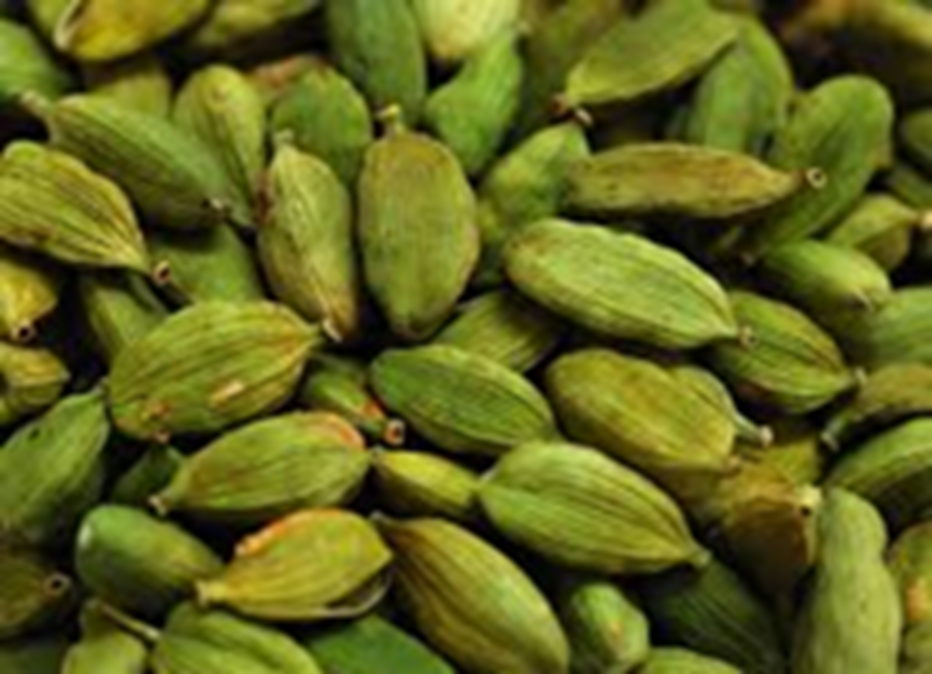
Cardamom Digestive Benefits: Eating cardamom is beneficial for us, which is why it's always present in our kitchens. Let's find out what doctors say about it and its benefits.
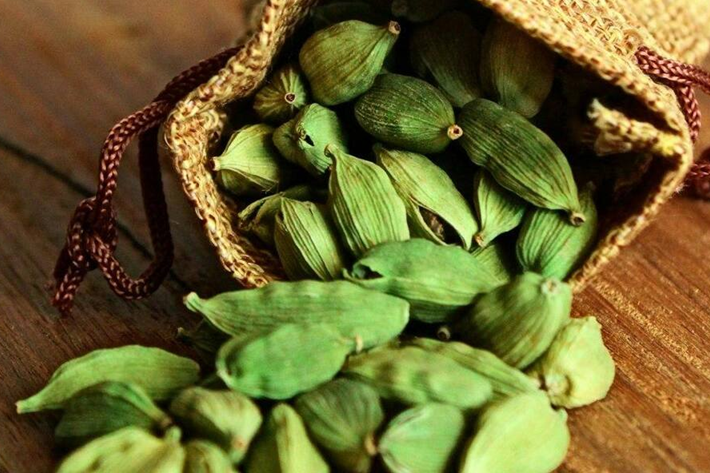
Benefits of Cardamom
Benefits of Chewing Cardamom After Meals: Cardamom holds a special place in the world of spices due to its aroma and flavor. From sweet to savory dishes, cardamom is used everywhere. Chewing cardamom after meals is also a common practice in India. This simple habit can not only aid digestion but is also considered effective in maintaining oral hygiene and fresh breath. According to the Research Journal of Pharmacy and Technology, the natural antimicrobial properties present in cardamom help reduce bad breath.
Benefits of chewing cardamom after meals
Dr. Manjusha Agarwal told HT that cardamom contains active ingredients like cineole, limonene, terpinene, and flavonoids. These compounds help reduce inflammation, improve digestion, freshen breath, and support heart and metabolic health. According to a study published in PubMed, chewing cardamom after meals activates pancreatic enzymes like lipase, amylase, and protease. In some cases, enzymes associated with the intestinal lining are also stimulated, improving the process of breaking down and digesting food.
Relief from gas, bloating and indigestion
According to Science Gate, cardamom is rich in carminative and anti-flatulence properties. This means it helps reduce gas, bloating, and discomfort in the stomach. Cardamom contains compounds like 1,8-cineole, alpha-pinene, sabinene, limonene, and terpineol, which have anti-inflammatory and antioxidant properties. According to PMC and SAGE Journal, these compounds may help soothe inflammation in the stomach lining, which may reduce acid reflux or heartburn.
How does cardamom remove bad breath?
The bioactive compounds in cardamom give it its distinctive aroma. Chewing its seeds can help reduce bad breath. According to PubMed Central, chewing cardamom increases salivation, which reduces dry mouth and naturally cleanses teeth.
How and how much to chew cardamom?
Consume green cardamom after meals, as it is more aromatic and medicinal. Break the pod by pressing it lightly with your teeth and chew the seeds inside. It is not necessary to swallow the peel. Furthermore, one cardamom is usually sufficient; consuming too much of it can cause itching in the mouth, cough, or stomach problems. According to Dr., people with gallstones, pregnant or breastfeeding women, and those taking certain medications should exercise caution. Experts recommend chewing cardamom once every 15 to 20 days, not daily.