Business
Buying Gold or Silver? Check These 7 Things Before Paying to Avoid Extra Costs and Costly Mistakes
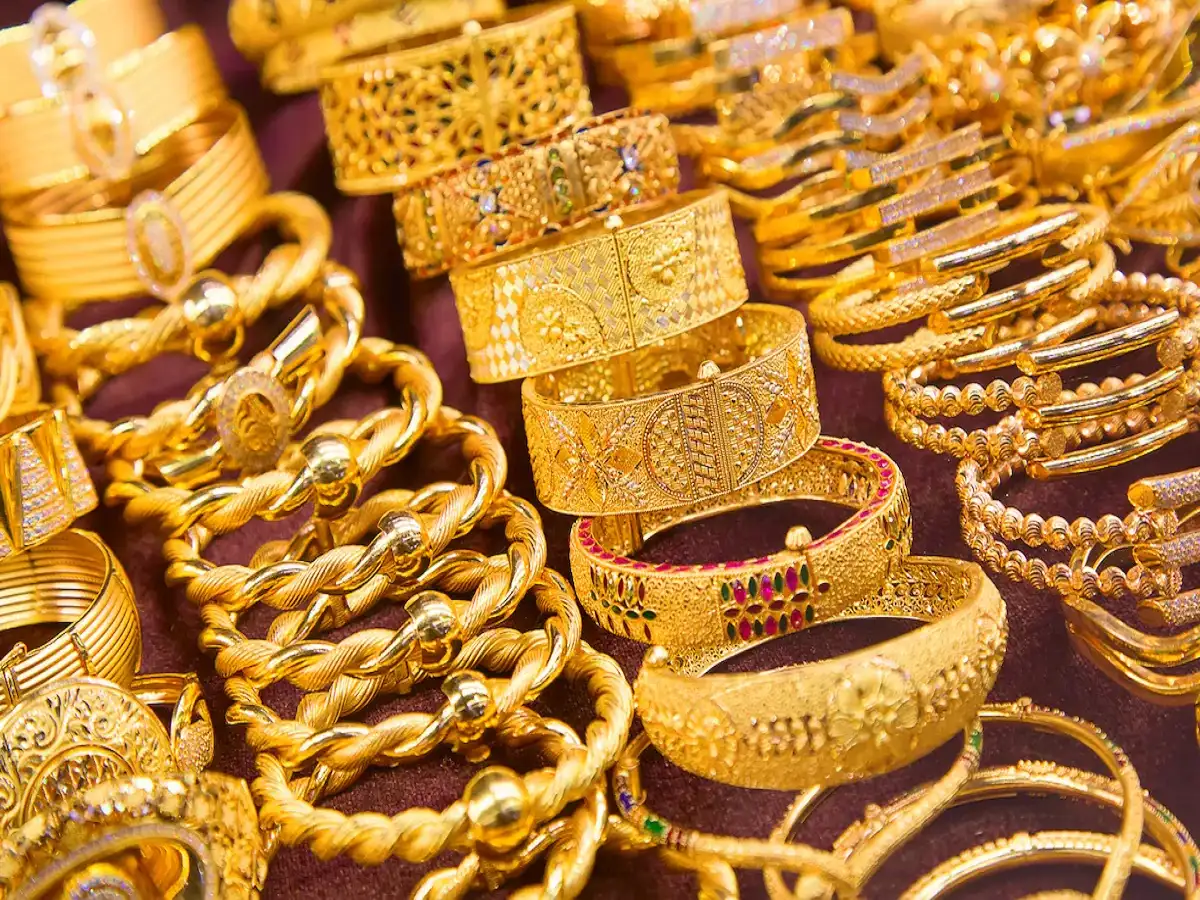
Buying gold or silver jewellery can involve a substantial amount of money, whether the purchase is for a wedding, festival, gift, personal use or long-term savings. That makes it important to look beyond an attractive design before making the final payment.
The amount shown on a jewellery bill is influenced by several factors, including the purity of the metal, current market rate, net weight, making charges, taxes and other applicable costs. Jewellery containing stones, pearls or other materials can require even closer attention because its total weight may not represent the actual quantity of precious metal you are buying.
A few simple checks at the store can therefore help buyers understand exactly what they are paying for.
Here are seven important things to consider before purchasing gold or silver jewellery.
1. Check Gold Purity and Hallmark Details
Purity should be one of the first things you verify while purchasing gold jewellery.
In India, buyers should look for the applicable BIS hallmarking details on hallmarked gold jewellery. Do not rely only on a salesperson verbally telling you that an ornament is 22K, 18K or another purity.
Check the markings available on the jewellery and ensure they correspond with the purity mentioned on the bill.
Gold jewellery is available in different levels of purity. For example, 22-karat gold is commonly used for traditional jewellery, while 18-karat and other purities may be used for ornaments that require greater durability or incorporate stones and intricate designs.
The price calculation should reflect the actual purity of the gold being purchased.
For silver products, buyers should similarly ask about the purity and applicable hallmarking or certification details rather than assuming every silver ornament has the same fineness.
2. Check the Latest Gold or Silver Rate Before Shopping
Knowing the prevailing precious-metal rate before entering a jewellery store gives you a useful reference point for evaluating the quotation.
Gold and silver prices can change according to market conditions, and rates may also differ based on purity and location.
Before making a purchase, check the latest rate applicable to the type of gold or silver you intend to buy.
When the jeweller prepares the quotation or invoice, pay attention to the rate per gram used for the calculation.
Do not simply look at the final amount.
A transparent calculation should make it possible to understand how the jeweller arrived at the final price.
3. Understand Exactly What the Jewellery Price Includes
The displayed market price of gold is not necessarily the final amount you will pay for a piece of jewellery.
Your bill can contain multiple components.
Before paying, check details such as:
- Gold or silver rate per gram
- Purity of the metal
- Net metal weight
- Gross jewellery weight
- Making or labour charges
- Stone or gemstone cost, where applicable
- Taxes
- Any additional charges
Understanding these components makes it easier to compare offers from different jewellers.
Two shops may quote a similar gold rate but produce substantially different final prices because their making charges or other costs differ.
4. Ask About Making Charges Before Finalising the Design
Making charges can significantly increase the final cost of jewellery.
These charges compensate for the craftsmanship and manufacturing involved in turning raw metal into a finished ornament. They can vary depending on the complexity of the design, production method, type of jewellery and the jeweller's pricing policy.
Before selecting a piece, ask whether the making charge is calculated as a percentage of the gold value or as a fixed/per-gram charge.
Also ask whether additional labour, design or wastage-related charges are being added separately.
If a store is advertising a discount on making charges, find out exactly which component is discounted and whether other fees still apply.
Comparing making charges across multiple jewellers can sometimes produce significant savings, particularly on high-value purchases.
5. Check the Weight in Front of You
Weight has a direct relationship with the value of gold and silver jewellery, so buyers should verify it before making payment.
Ask the jeweller to weigh the ornament and compare the figure with the weight mentioned on the invoice.
This becomes especially important for jewellery containing diamonds, gemstones, pearls, beads or other non-metal components.
In such cases, ask the jeweller to clearly explain the difference between gross weight and net metal weight.
Gross weight can include everything in the ornament, while the net metal weight refers to the precious metal component used for relevant calculations.
If stones or other materials are included, ask whether their weight and price have been listed separately.
This can also become important when you later try to exchange or sell the jewellery.
6. Never Leave Without a Proper Invoice
A proper purchase invoice is one of the most important documents associated with jewellery.
Avoid purchasing expensive gold or silver ornaments without a detailed bill simply to save time or reduce the immediate price.
The invoice should clearly provide the relevant transaction details.
Depending on the product, this can include the description of the jewellery, purity, gross and net weight, metal rate, making charges, applicable taxes and final amount paid.
Check the invoice before leaving the store and ensure that the information corresponds with the jewellery you purchased.
Keep the original bill safely after the transaction.
It may become important for future exchange, buyback, resale, insurance or dispute resolution.
7. Understand the Buyback and Exchange Policy
The price you pay for jewellery and the amount you receive when selling it back are not necessarily the same.
This is why buyers should ask about the jeweller's exchange and buyback policies before purchasing.
Find out whether the jeweller deducts making charges, wastage or other amounts during an exchange.
If the ornament contains stones, ask how their value will be treated when the jewellery is returned.
Some stores may offer different terms for jewellery originally purchased from them compared with products bought elsewhere.
Do not rely only on verbal assurances such as "full value on exchange." Ask what that statement actually covers and whether the terms are mentioned in writing.
Why Net Weight Matters for Stone-Studded Jewellery
Suppose a piece of jewellery weighs 20 grams in total. That does not necessarily mean it contains 20 grams of gold.
If the ornament contains stones, pearls or other materials, their weight may form part of the gross weight.
The actual gold content could therefore be lower.
This distinction matters because buyers should know whether the gold-value calculation is being made using the appropriate metal weight.
The invoice should provide sufficient detail for the customer to understand what has been purchased.
Don't Choose a Jeweller Only Because the Gold Rate Looks Lower
A jeweller advertising a lower gold rate does not automatically offer the cheapest final deal.
For example, one store could quote a slightly lower metal rate but charge considerably higher making charges. Another might have a marginally higher gold rate but much lower manufacturing costs.
The second option could ultimately be cheaper.
Instead of comparing a single number, compare the complete final quotation for similar jewellery of comparable weight and purity.
That provides a more meaningful picture of the actual cost.
Be Careful With Festival and Wedding Discounts
Jewellery stores frequently announce promotional offers around festivals, wedding seasons and other major occasions.
These promotions can include discounts on making charges or special offers on selected collections.
Before purchasing, read the conditions carefully.
A headline such as "zero making charges" may apply only to selected designs, while other costs could still be charged.
Similarly, a percentage discount may have a maximum limit or exclude certain categories.
Ask for the final payable amount before making a decision.
Should You Buy Gold Jewellery as an Investment?
Gold jewellery can hold substantial metal value, but it should not automatically be treated in the same way as pure investment gold.
Jewellery purchases generally involve making charges and potentially other costs that may not be recovered during resale.
If the primary objective is investment rather than personal use, buyers should compare the costs, liquidity, purity and risks associated with different forms of gold before deciding.
Jewellery can have emotional and practical value, but its purchase price and resale value can differ substantially.
Gold and Silver Buying Checklist
Before making the final payment, confirm that you have checked the metal's purity and applicable hallmark details. Verify the current rate and ensure the same rate has been correctly applied to your bill.
Check the ornament's weight and ask for separate details when stones or other materials are involved.
Understand the making charges, taxes and any additional fees.
Finally, obtain a detailed invoice and ask about the store's exchange and buyback conditions.
These checks may take only a few minutes but can make a major difference when the transaction involves a large amount of money.
Final Takeaway
Gold and silver purchases should be made carefully rather than based only on appearance or a salesperson's quotation.
The final cost of jewellery depends on much more than the daily precious-metal price. Purity, weight, making charges, taxes and additional components can all influence what you ultimately pay.
Checking hallmark details, comparing rates, verifying weight and obtaining a proper invoice can help buyers make a more informed decision.
For expensive purchases, comparing quotations from more than one reputable jeweller can also help you understand whether the overall price is competitive.
Disclaimer: This article is intended for general consumer awareness and does not constitute financial or investment advice. Precious-metal prices, taxes, hallmarking requirements and jeweller policies can change. Buyers should verify current rules and rates before making a purchase.