LIFESTYLE
Buying a Smartphone Online? Beware of Fake Shopping Sites and Learn How to Protect Yourself

Online shopping has become the preferred choice for millions of consumers looking to purchase smartphones, gadgets, and other electronic products. Attractive discounts, flash sales, and doorstep delivery make online purchases highly convenient. However, cybercriminals are increasingly taking advantage of this trend by creating sophisticated scams that target unsuspecting shoppers.
Security experts are warning consumers to stay alert while purchasing smartphones online, as fake e-commerce websites, fraudulent payment links, and phishing schemes continue to rise across the country. These scams often mimic popular shopping platforms and can lead to significant financial losses.
How Online Shopping Scams Are Trapping Buyers
Cyber fraudsters have developed several methods to deceive consumers searching for deals on smartphones and other electronic devices.
One of the most common tactics involves creating counterfeit websites that closely resemble major online marketplaces. These fake portals often display premium smartphones at heavily discounted prices, encouraging buyers to place orders immediately.
In some cases, scammers create fake social media pages, messaging groups, and flash-sale promotions to attract potential victims. Once customers make a payment, the product is never delivered, and the fraudsters disappear.
Another growing scam involves fake customer support calls related to smartphone purchases. Fraudsters may claim that a loan, EMI approval, or order verification process requires the customer to share sensitive information such as OTPs, CVV numbers, UPI PINs, or banking credentials.
Fake Refund Messages Pose Another Threat
Cybercriminals are also exploiting refund-related messages to target online shoppers.
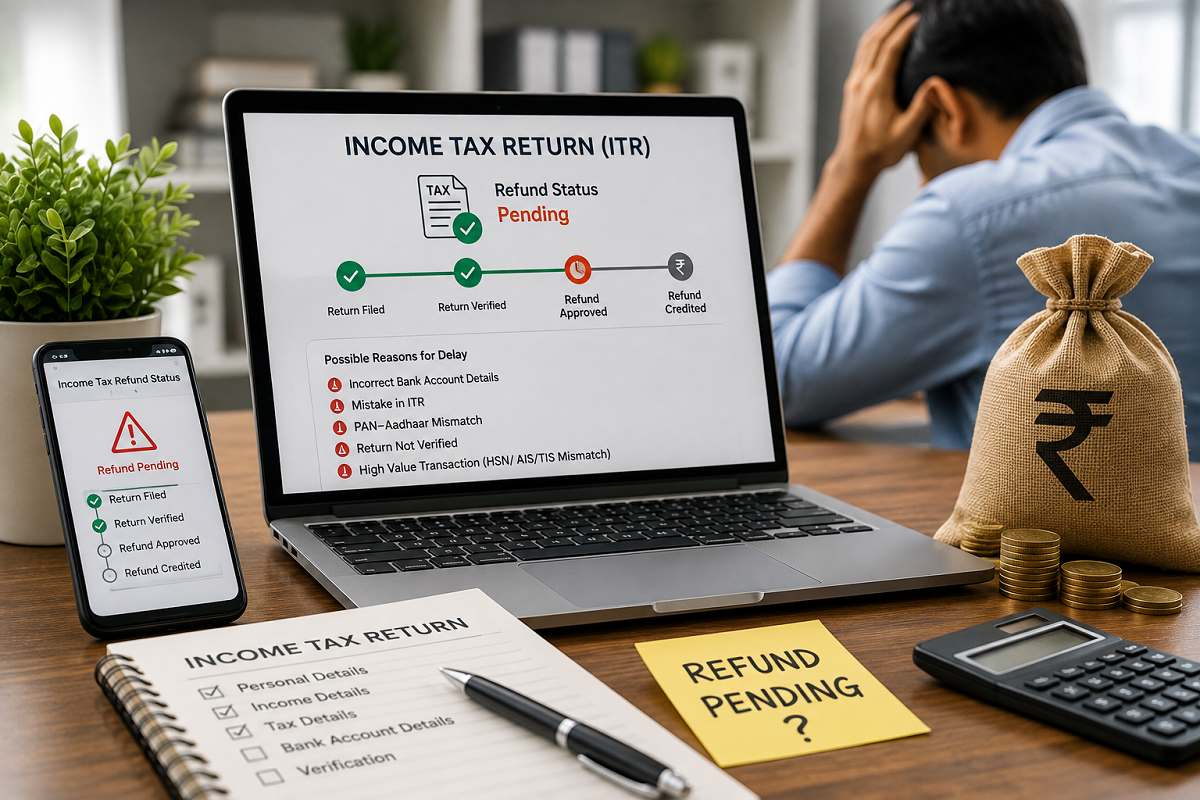
Victims may receive SMS messages claiming that their order has failed or that a refund is pending. These messages typically contain links that appear legitimate but actually lead to malicious websites.
Clicking on such links can result in malware being installed on the device. Once infected, the smartphone may become vulnerable to data theft, unauthorized transactions, and account compromise.
Experts advise users to avoid clicking on suspicious links received through SMS, email, or messaging applications, especially when they relate to unexpected refunds or payment confirmations.
Warning Signs of a Fraudulent Shopping Website
Before purchasing a smartphone online, consumers should watch for several red flags that may indicate a fake website.
These include:
- Unusually large discounts that seem too good to be true
- Poor website design and spelling mistakes
- Lack of customer support information
- Missing security certificates
- Requests for direct bank transfers
- Recently created domains with little online presence
Checking customer reviews and verifying the authenticity of the website can help reduce the risk of fraud.
Essential Tips to Stay Safe While Shopping Online
Cybersecurity authorities recommend following a few basic precautions before making any online purchase.
Verify the Website Address
Always double-check the website URL before entering payment details. Fraudsters often use web addresses that closely resemble genuine shopping platforms.
Never Share Sensitive Banking Information
Legitimate companies will never ask for your OTP, UPI PIN, CVV number, or internet banking password. Any request for such information should be treated as suspicious.
Avoid Scanning Unknown QR Codes
Many fraud cases involve QR codes sent through messages or displayed during fake delivery processes. Remember that receiving money never requires scanning a QR code.
Track Orders Only Through Official Platforms
Use the retailer's official website or mobile application to monitor order status. Avoid third-party links sent through SMS or social media.
Shop Only from Trusted Platforms
Purchasing products from established and verified e-commerce websites significantly reduces the chances of becoming a victim of fraud.
What to Do If You Become a Victim
If you suspect that you have been targeted by an online shopping scam, immediate action is critical.
Victims should report the incident through the National Cyber Crime Reporting Portal and contact the cybercrime helpline as soon as possible. Early reporting can improve the chances of preventing financial losses and tracking fraudulent activity.
As cyber scams become more sophisticated, awareness remains the strongest defense. Taking a few extra minutes to verify a website, payment request, or promotional offer can help consumers protect their money and personal information while shopping online.