
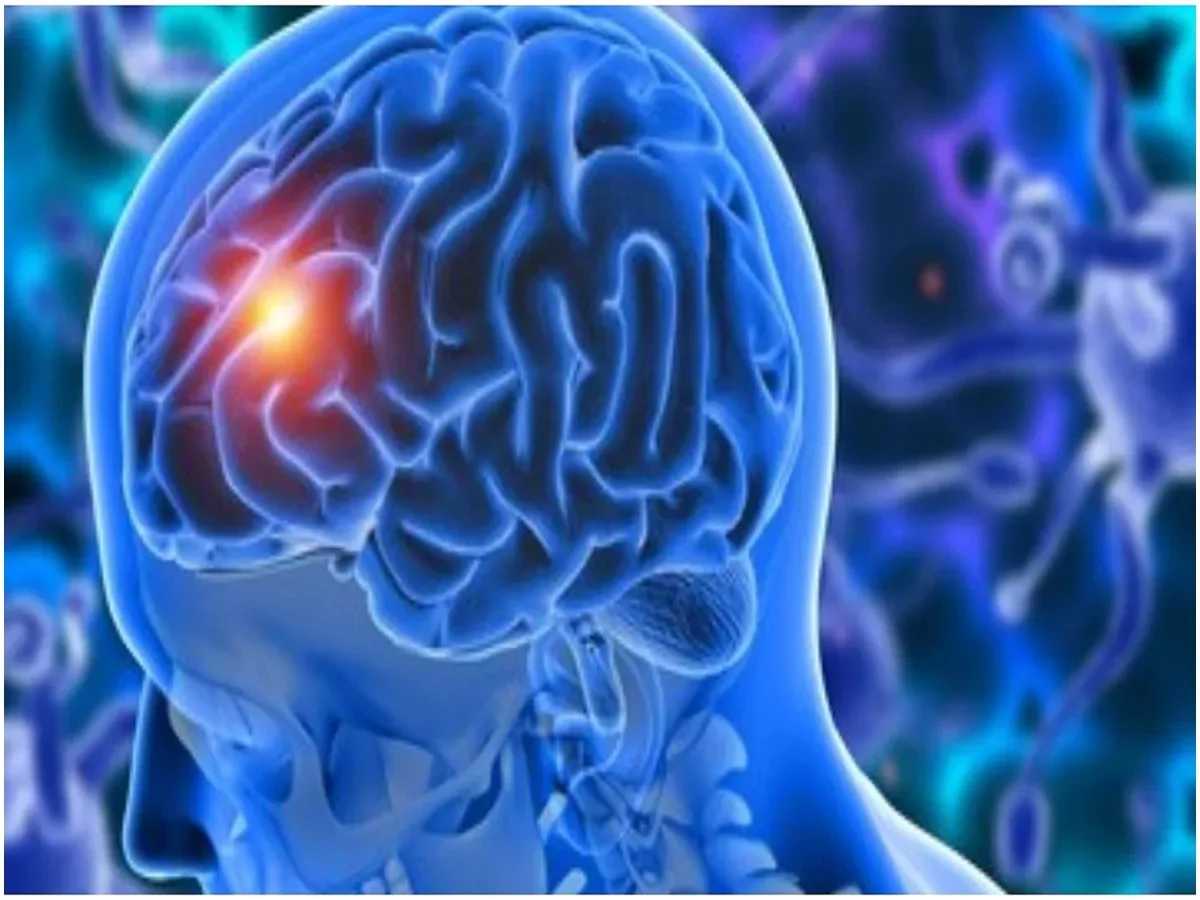
Brain tumors are among the most serious neurological conditions and can affect people of all ages. A brain tumor develops when abnormal cells in the brain begin growing uncontrollably, forming a mass that may interfere with normal brain function.
Many people wonder whether everyday eating habits can directly cause brain cancer or brain tumors. While medical experts do not consider any specific food to be a direct cause of brain tumors, certain lifestyle choices and long-term health habits may influence overall brain health and increase the risk of various health complications.
Understanding these risk factors and adopting a healthy lifestyle can play an important role in supporting long-term neurological well-being.
What Is a Brain Tumor?
A brain tumor occurs when cells within the brain multiply abnormally and form a growth. Tumors can be either benign (non-cancerous) or malignant (cancerous).
Depending on their size and location, brain tumors can affect memory, movement, speech, vision, balance, and other essential functions controlled by the brain.
Common symptoms may include:
- Persistent headaches
- Vision problems
- Nausea or vomiting
- Seizures
- Difficulty concentrating
- Memory issues
- Weakness in certain parts of the body
Anyone experiencing persistent neurological symptoms should seek medical evaluation rather than ignoring warning signs.
Does Diet Directly Cause Brain Tumors?
Current medical research does not identify diet as a direct cause of brain tumors.
However, healthcare experts note that long-term unhealthy eating patterns can negatively affect overall health and contribute to chronic inflammation, obesity, and other conditions that may increase the risk of various diseases.
Maintaining a balanced diet remains important for protecting brain health and supporting the body's natural defense mechanisms.
Excessive Processed Foods May Affect Overall Health
Regular consumption of heavily processed foods, packaged snacks, sugary beverages, and fast food can contribute to chronic inflammation within the body.
Chronic inflammation has been linked to numerous health conditions, including cardiovascular disease, metabolic disorders, and certain cancers. While it is not considered a direct cause of brain tumors, reducing processed food intake is generally recommended for better long-term health.
A diet centered around fresh and minimally processed foods may help support overall wellness.
Junk Food Can Impact Brain Function
Foods high in unhealthy fats, excessive sugar, and refined carbohydrates may negatively affect cognitive function over time.
Research suggests that poor dietary habits can influence:
- Memory performance
- Concentration levels
- Mood regulation
- Overall neurological health
Replacing highly processed foods with nutrient-rich alternatives can help support healthy brain function.
Antioxidant-Rich Foods Help Protect Brain Cells
Fruits, vegetables, nuts, seeds, and other antioxidant-rich foods play an important role in combating oxidative stress.
Oxidative stress occurs when harmful molecules known as free radicals damage cells within the body. Antioxidants help neutralize these molecules and may support the protection of brain tissue.
Foods rich in antioxidants include:
- Berries
- Citrus fruits
- Leafy green vegetables
- Almonds
- Walnuts
- Tomatoes
Including a variety of these foods in your diet may contribute to better neurological health.
Omega-3 Fatty Acids Support Brain Health
Omega-3 fatty acids are considered essential nutrients for brain function.
They are known to support:
- Cognitive performance
- Memory
- Brain cell communication
- Healthy inflammatory responses
Good dietary sources of omega-3 include:
- Fatty fish such as salmon and sardines
- Walnuts
- Flaxseeds
- Chia seeds
Experts often recommend incorporating omega-3-rich foods into a balanced diet to promote overall brain health.
Lifestyle Habits That May Harm Brain Health
Beyond diet, several lifestyle factors can negatively impact neurological well-being.
Vitamin B12 Deficiency
Vitamin B12 plays a crucial role in maintaining healthy nerve function. A prolonged deficiency may lead to neurological symptoms, fatigue, memory issues, and nerve damage.
Excessive Alcohol Consumption
Heavy alcohol use can damage brain cells, impair cognitive function, and increase the risk of several health complications over time.
Smoking and Tobacco Use
Tobacco products contain harmful chemicals that affect blood circulation and overall health. Smoking has been associated with increased risks of numerous diseases, including certain cancers and vascular disorders.
Prioritize Brain Health Through Healthy Choices
While no single food has been proven to directly cause brain tumors, maintaining a healthy lifestyle can help support brain function and overall well-being.
Experts recommend:
- Eating a balanced diet
- Staying physically active
- Avoiding tobacco products
- Limiting alcohol consumption
- Managing stress effectively
- Getting regular health check-ups
Most importantly, persistent symptoms such as severe headaches, unexplained neurological changes, or seizures should never be ignored. Early medical evaluation can help identify potential health issues and ensure timely treatment when necessary.
Disclaimer: This article is for informational purposes only and should not be considered medical advice. Consult a qualified healthcare professional for diagnosis, treatment, or concerns related to brain tumors or neurological conditions.