WB Election
Bengal Poll Dispute Reaches Supreme Court: Allegations Against SIR Tribunal Trigger Judicial Scrutiny
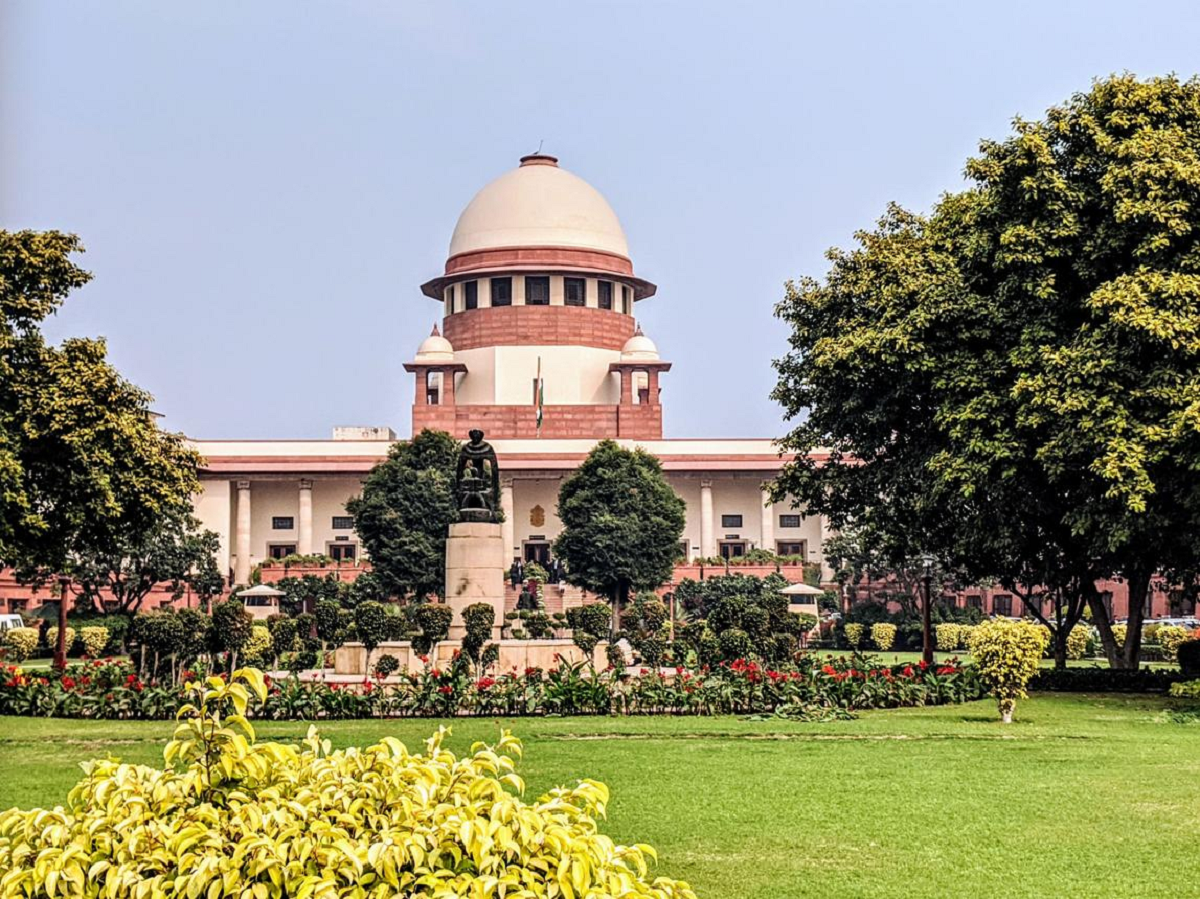
Bengal Election Row: A fresh controversy linked to the Special Intensive Revision (SIR) process in West Bengal has reached the Supreme Court of India, with serious allegations raised against the functioning of an appellate tribunal. The matter sparked sharp reactions from the top court, which has now sought an urgent report from the Calcutta High Court over the issue.
Supreme Court Flags Concerns Over Tribunal Functioning
During a hearing on Monday, a senior advocate brought the issue before a bench led by Chief Justice Surya Kant, highlighting alleged irregularities in the tribunal handling SIR-related cases. According to the complaint, the appellate tribunal is not functioning effectively and is allegedly failing to comply with directions issued by the Supreme Court.
The bench took note of the concerns and expressed dissatisfaction, indicating that the matter has been repeatedly mentioned before the court in recent days. The court stated it would seek a detailed report from the Chief Justice of the Calcutta High Court without delay.
Lawyers Claim No Proper Hearing Opportunity
One of the most serious allegations made by legal representatives is that lawyers are not being allowed to present arguments before the tribunal. Instead, it has been claimed that only online or computer-based applications are being accepted, limiting proper legal representation.
Senior advocate Devdutt Kamat informed the court that the situation is affecting multiple cases related to the SIR process. He argued that such restrictions are preventing fair hearings and may amount to non-compliance with judicial directives.
Supreme Court Reacts, Seeks Immediate Clarification
Initially, the bench did not give much weight to the complaint. However, as the arguments progressed, the judges acknowledged the seriousness of the issue. The Chief Justice remarked that the court is concerned about repeated complaints emerging from West Bengal regarding the SIR-related proceedings.
The bench has now directed that:
- A report be urgently obtained from the Chief Justice of the Calcutta High Court
- The concerned lawyer should also submit a formal application before the High Court
This step indicates that the apex court is closely monitoring the situation and may take further action depending on the findings.
Burden on Litigants Highlighted
Lawyers also pointed out the practical difficulties faced by litigants. Many individuals reportedly have to travel long distances to Kolkata to pursue their cases, only to find that hearings are not being conducted as expected.
This raises concerns about access to justice, especially for those from remote areas who depend on proper tribunal functioning for timely resolution of disputes.
What Is the SIR Process?
The Special Intensive Revision (SIR) is a crucial exercise often linked to electoral processes, involving verification and updating of voter-related data. Given its importance in ensuring fair elections, any disruption or irregularity in handling related cases can have wider implications.
What Happens Next?
The case has been listed for further hearing on April 24, 2026, where the court is expected to review the report from the High Court and assess the situation more closely.
Depending on the findings, the Supreme Court may:
- Issue fresh directions to ensure proper tribunal functioning
- Take corrective steps to safeguard fair legal proceedings
- Address concerns related to compliance with its earlier orders
Key Takeaway
The controversy surrounding the SIR tribunal has now escalated into a significant legal issue, drawing the attention of the country’s highest court. With allegations of procedural lapses and denial of fair hearing, the matter underscores the importance of transparent and efficient judicial mechanisms, especially in cases tied to electoral processes.
Stay tuned for further updates as the Supreme Court reviews the report and decides the next course of action in this high-profile case.