WB Election
West Bengal Poll Row: Up to 3.4 Million Voters May Miss Voting as Supreme Court of India Declines Interim Relief
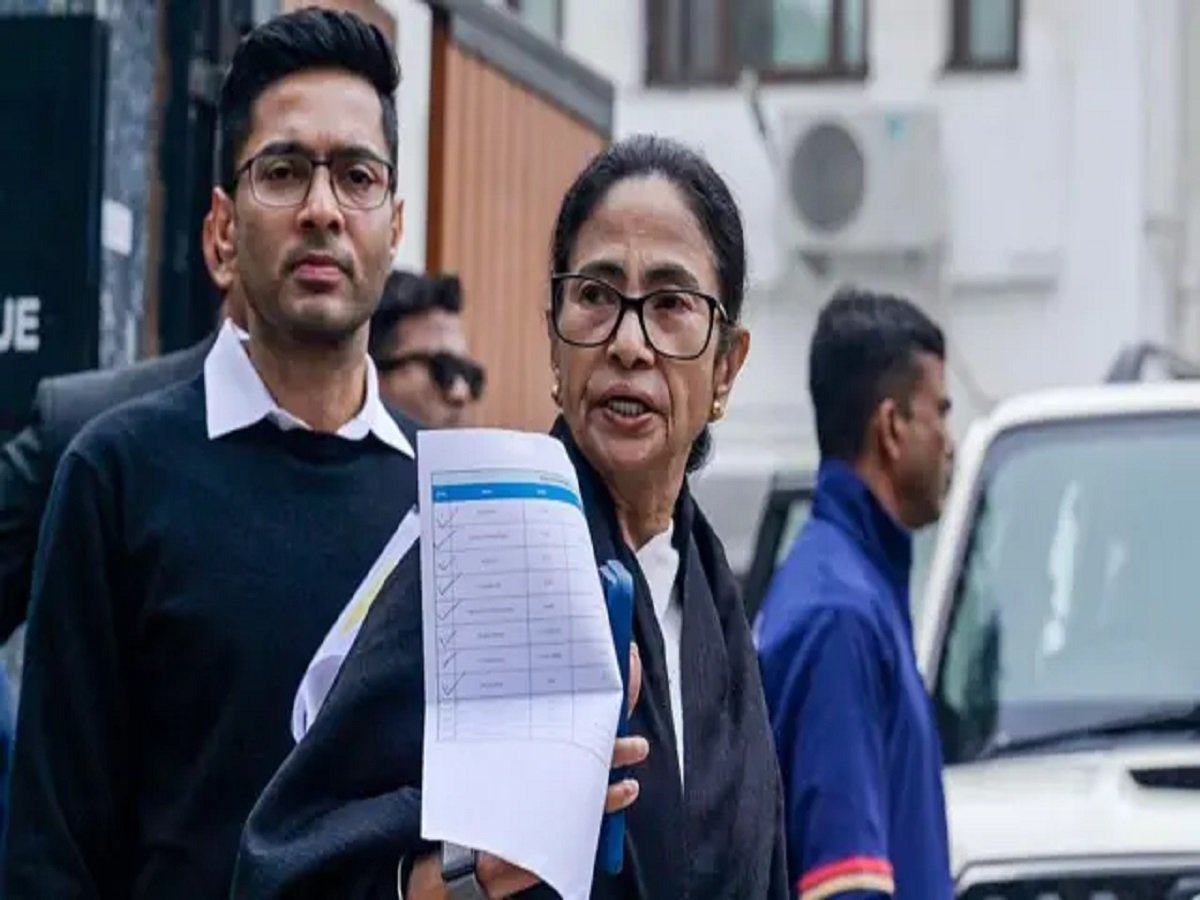
Ahead of the West Bengal Assembly elections, a major legal development has brought the spotlight on voter eligibility. The Supreme Court of India has refused to grant interim permission to individuals whose names were removed from the electoral rolls, meaning lakhs of voters may not be able to cast their votes—at least for now.
The decision has added a new dimension to the ongoing political debate in the state.
No Interim Voting Rights for Removed Voters
The Supreme Court of India made it clear that individuals whose names were deleted during the Special Intensive Revision (SIR) of electoral rolls will not be allowed to vote unless their appeals are resolved.
- The court declined temporary voting rights
- Relief will depend on the outcome of pending appeals
- Decision aimed at maintaining electoral stability
Millions of Appeals Still Pending
During the hearing, leaders from All India Trinamool Congress highlighted that around 16 lakh appeals had been filed by affected voters.
However, Justice Joymalya Bagchi indicated that the number could be significantly higher—up to 34 lakh cases, underlining the scale of the issue.
Clear Stand by the Chief Justice
Chief Justice Surya Kant rejected the demand for interim voting rights, stating:
- Allowing such voters at this stage could disrupt the election process
- Stability and integrity of elections must be preserved
The court emphasized that procedural safeguards must be followed before granting any relief.
Voter List Already Frozen
The Election Commission of India has already frozen the voter list in the state. This means:
- No new names can be added without court orders
- Voting eligibility remains fixed for the election
To address the issue, 19 appellate tribunals have been set up, which are currently reviewing nearly 27 lakh pending cases.
Petition Termed ‘Premature’
The court also dismissed a petition filed by a group of individuals, calling it “premature.”
- Petitioners were advised to approach appellate tribunals first
- The court clarified it has not ruled on the merits of the case
This leaves the matter open for further legal proceedings at lower levels.
What This Means for the Elections
The ruling could have significant implications:
- A large number of voters may be temporarily excluded
- Political parties may intensify debates over voter rights
- Final outcomes may depend on how quickly appeals are resolved
Final Takeaway
The decision by the Supreme Court of India underscores the complexity of electoral roll revisions and the importance of due process. While lakhs of voters await clarity, the focus now shifts to appellate tribunals for resolution.
As West Bengal heads into crucial elections, this issue is likely to remain at the center of political and legal discussions.