LIFESTYLE
Alcohol Side Effects: When does alcohol damage the liver? Experts say these mistakes should never be made.
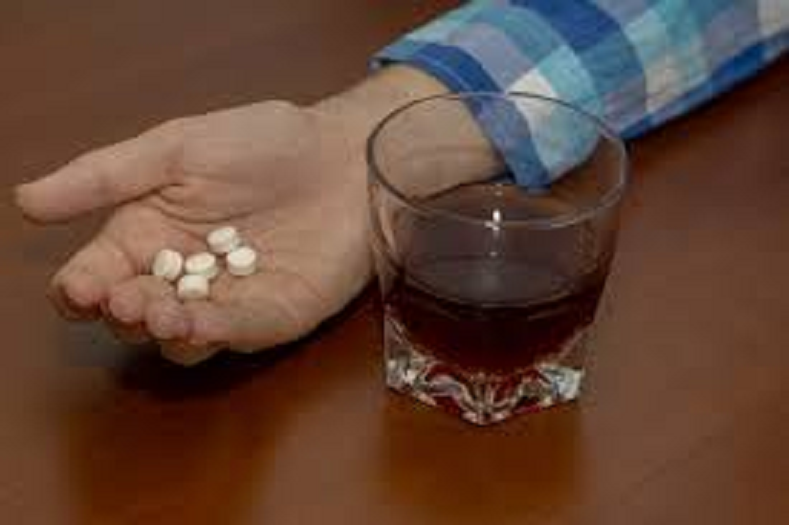
Paracetamol Alcohol Toxicity: Alcoholics are a large group of people worldwide, but they should be mindful of certain things after drinking. Let us tell you which medications they should avoid.
Disadvantages of taking medication after alcohol
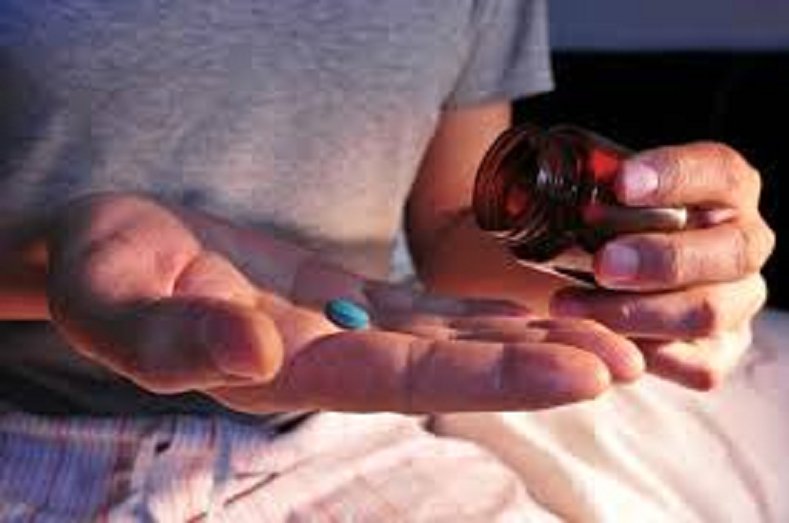
Alcohol and Heart Medication Complications: Combining alcohol with daily medications can often create a lethal cocktail that slows reflexes, strains the liver, and sometimes triggers extremely dangerous reactions. Alcohol can interact with anything from anti-anxiety medications to sleeping pills, allergy medications, or even the common household ingredient paracetamol. Its effects are even more severe with heart, diabetes, and blood circulation medications.
Many of us dismiss it as just a drink, but the body has to work hard to break down both alcohol and medication together. This is why even a safe medication can sometimes work against itself when combined with alcohol. Dr Saurabh Singal, Senior Consultant and Director, Centre for Liver-GI Diseases and Transplantation, Aakash Healthcare, told TOI that some combinations can disrupt treatment or cause unexpected reactions. It's important to clearly communicate this understanding so that a drink while on medication doesn't become a mistake.
anti-anxiety medications
Many medications prescribed for anxiety, such as benzodiazepines, slow brain activity. Alcohol does the same thing. Together, they slam the brakes so hard that the body feels heavy, reaction times slow, and everything seems sluggish. Many people experience shallow breathing, loss of balance while walking or climbing stairs, and doctors say even mild doses can cause sudden blackouts or respiratory arrest.
sleeping pills
Sleeping pills calm the brain's wakefulness circuits. Alcohol also affects this system. Combined, they can cause profound drowsiness, confusion, memory blackouts, and a sleep-like state in which the body struggles to regulate breathing. Even a small amount of alcohol can cause dizziness, drowsiness, and slowed judgment the next day.
antihistamines
Older antihistamines, used for colds, coughs, and allergies, induce drowsiness. Alcohol worsens this state, making it difficult to even lift one's eyelids. Driving, operating machinery, or even simple household tasks become dangerous. While newer antihistamines may cause less drowsiness, the older, more drowsy versions are still the most common in Indian homes, and these pose the greatest risk.
painkillers
Alcohol is particularly potent with two types of painkillers.
opioids
Combined with alcohol, these can put so much pressure on breathing and heartbeat that the situation can quickly become serious.
Paracetamol
This drug, which is trusted in every household, has the most common interaction with alcohol. Both share the same pathway, the liver. Taking them together puts a heavy burden on the liver, increases toxic byproducts, and multiplies the risk of damage. Dr Singal explains that people take it lightly, but not the liver.
antibiotics
Not all antibiotics interact with alcohol, but some, like metronidazole and tinidazole, are extremely sensitive. Consuming them with alcohol can immediately cause flushing, rapid heartbeat, vomiting, and dizziness. Even a small amount of alcohol in mouthwash or fermented foods can trigger a reaction. This means alcohol is strictly off-limits during their course.