LIFESTYLE
You should get these tests done as soon as you turn 30; you will know before the disease arrives.
A little more caution about your health becomes necessary after the age of 30. Some simple tests can help detect problems like blood pressure, cholesterol, and sugar in time.
Health checkup at the age of 30
As we age, it becomes important to pay attention to even small changes in our bodies. Many diseases may not show any specific symptoms in their early stages, but testing can reveal signs. This is why it's beneficial to have regular general health checkups from time to time. However, not everyone needs to have all the tests done by the age of 30.
Testing needs may vary depending on age, family history, weight, diet, lifestyle, and past health reports. Some common tests can be included as part of your regular health checkup, as recommended by your doctor.
Get your blood pressure checked
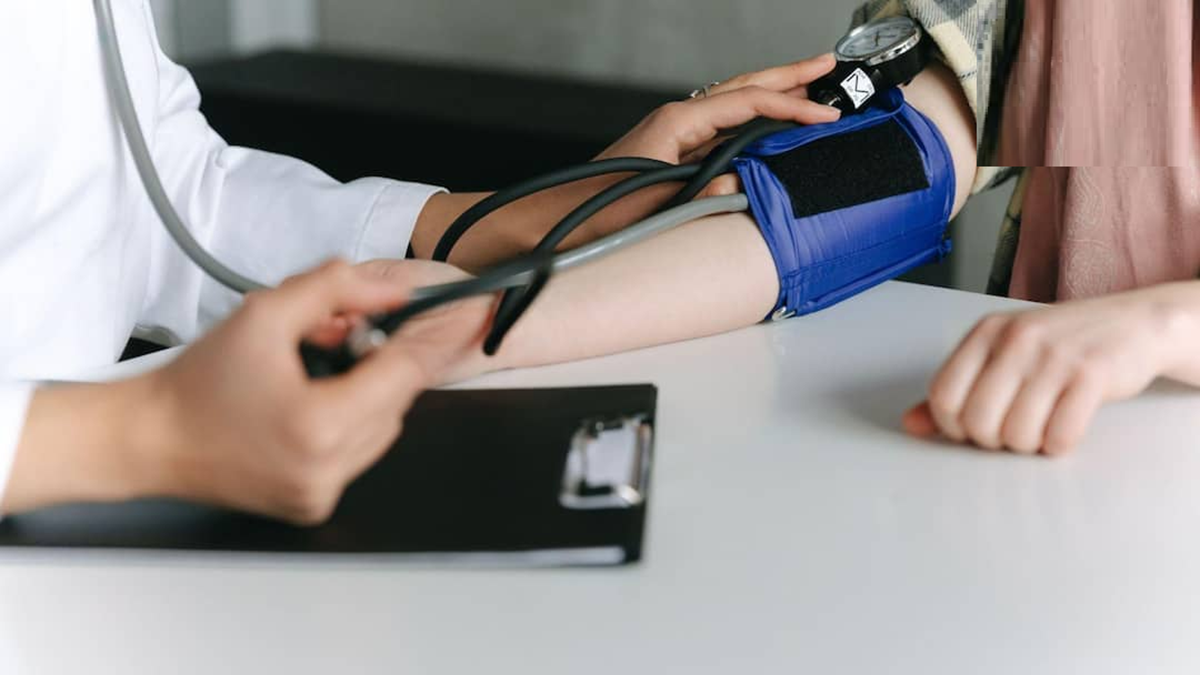
High blood pressure often doesn't initially cause any obvious symptoms. Therefore, it shouldn't be checked only when you have a headache or other discomfort. A blood pressure check during a health checkup is a simple way to detect high blood pressure. Experts recommend screening for high blood pressure in adults 18 years of age and older. If the first check reveals high blood pressure, your doctor may recommend a repeat check or home monitoring, as needed.
Cholesterol test
Testing can only determine if your body has high cholesterol, as high cholesterol often doesn't have any obvious symptoms. A simple blood test, a lipid profile, is used to determine this. According to the CDC, most healthy adults typically need a cholesterol test every four to six years, but those with heart disease, diabetes, or a family history of high cholesterol may require testing more frequently.
Keep an eye on blood sugar and HbA1c as well.
A blood sugar test measures glucose levels in the body, while HbA1c measures the average blood sugar level over the past few months. However, diabetes screening isn't considered necessary for everyone at age 30. For example, the USPSTF recommends screening for prediabetes and type 2 diabetes in asymptomatic adults ages 35 to 70 who are overweight or obese. Doctors may recommend testing earlier if there's a family history of diabetes or other risk factors.
Don't ignore your weight and waistline checks either.
It's not accurate to judge health based solely on weight, but BMI can be calculated from weight and height, which can help determine whether body weight is within a normal range. Waist circumference can also be assessed, as excess fat around the abdomen may be associated with several health risks. If you experience rapid weight gain, sudden loss, or persistent changes in your body, it's best to consult a doctor.
Get other tests done as needed.
Not everyone in their 30s needs an ECG, a full-body scan, or all the necessary tests. The necessary tests depend on a person's age, symptoms, family medical history, and other risk factors. Therefore, instead of unnecessary, expensive tests, it's best to ask your doctor for a list of health checkups tailored to your situation. The purpose of regular checkups isn't just to detect illnesses, but also to identify health risks early.