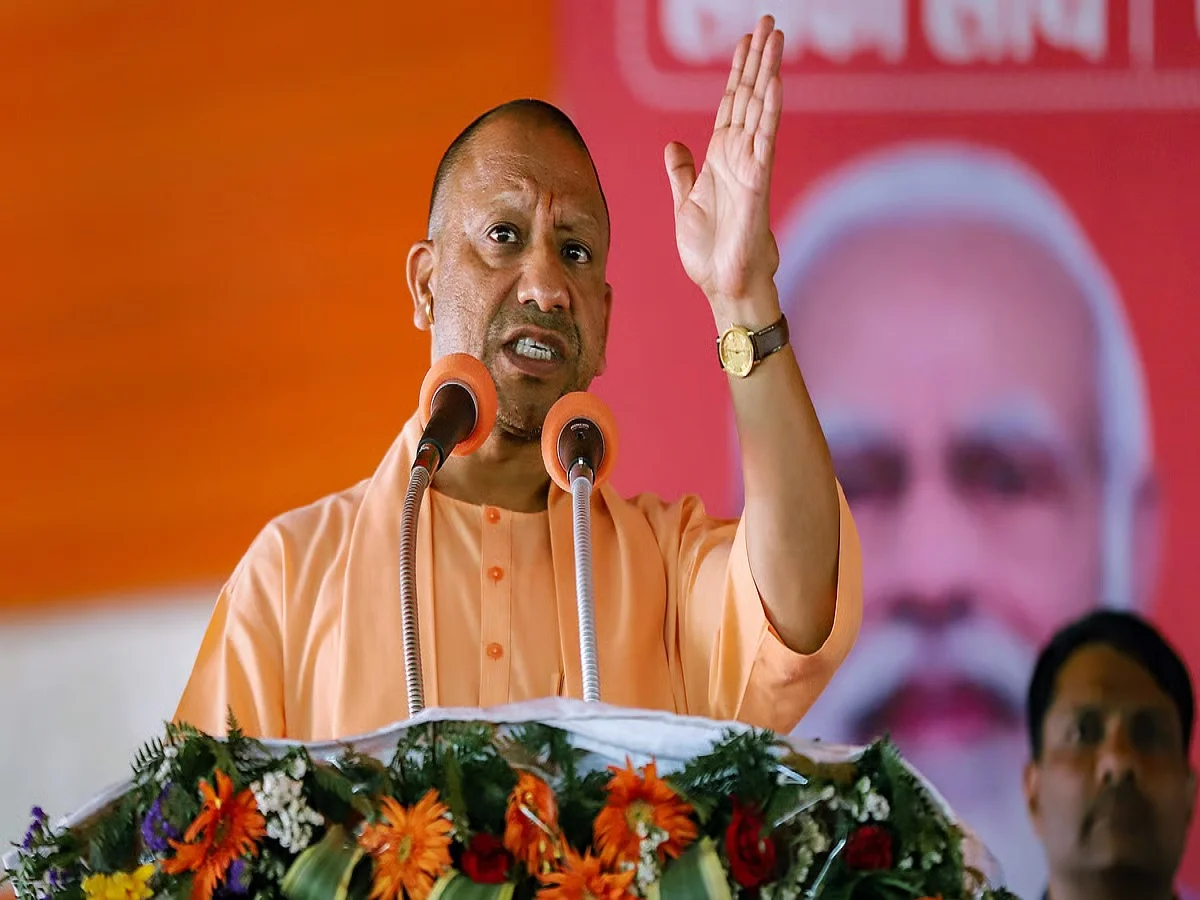
The government of Uttar Pradesh has taken a major administrative decision to ensure uninterrupted functioning of village-level governance after the official term of gram panchayats ended on May 26, 2026. Acting on the instructions of Chief Minister Yogi Adityanath, the state administration has allowed outgoing village heads, commonly known as gram pradhans, to continue functioning as administrators of their respective gram panchayats starting from May 27.
The move comes at a crucial political and administrative period, as the state prepares for future electoral activities while also ensuring that rural development projects and essential public services continue without disruption.
Former Gram Pradhans to Continue as Administrators
Under the new arrangement, district administrations across Uttar Pradesh have been authorized to appoint former gram pradhans as temporary administrators until new panchayats are officially constituted.
According to the government’s directive, these appointments can continue for a maximum period of six months or until newly elected gram panchayats are formed, whichever happens earlier.
The decision has been introduced to prevent administrative gaps in rural areas following the completion of the five-year tenure of gram panchayats.
Officials believe the transition arrangement will help maintain continuity in village governance and ensure that public welfare schemes, local development works, sanitation services, and essential civic functions continue smoothly across the state.
Administrators Will Handle Only Routine Operations
The state government has clarified that the appointed administrators will have limited authority during this temporary period. Their role will mainly focus on managing regular administrative work and ensuring that ongoing services remain functional.
The administrators will not be permitted to take major policy decisions or introduce significant financial or developmental changes independently.
Responsibilities Likely to Include
- Maintaining sanitation and public services
- Monitoring ongoing development projects
- Handling daily administrative operations
- Ensuring continuity of government schemes
- Managing essential village-level functions
Officials have stressed that the arrangement is purely administrative and aimed at avoiding governance disruptions in rural regions.
District Magistrate Approval Mandatory for Major Decisions
The government has also imposed strict controls over major administrative or financial decisions during this interim phase.
If any important proposal or decision becomes necessary, the appointed administrator will not have the authority to approve it directly. Instead, the matter must first be forwarded through the District Panchayat Raj Officer before being sent to the District Magistrate (DM) for final approval.
Only after receiving formal permission from the DM can any significant action move forward.
This mechanism has been introduced to maintain transparency and administrative accountability while preventing misuse of authority during the temporary extension period.
Decision Aims to Ensure Rural Governance Stability
The Uttar Pradesh government says the primary objective behind the move is to maintain administrative stability in villages until fresh panchayat bodies are formed.
Rural governance in India depends heavily on gram panchayats for implementing welfare schemes, maintaining public infrastructure, overseeing sanitation programs, and coordinating local development work. Any prolonged administrative vacuum could negatively impact these services.
By temporarily extending administrative responsibilities to outgoing gram pradhans, the government aims to ensure that village residents continue receiving uninterrupted access to public services and development initiatives.
Provision Exists Under Panchayat Laws
The arrangement is also backed by provisions under existing पंचायत laws governing gram panchayats in the state.
Under current legal provisions, gram panchayats are elected for a fixed five-year term. Once the term expires, the state government has the authority to appoint administrators if new panchayat bodies are not immediately constituted.
Legal experts note that such temporary administrative arrangements are not uncommon and are generally introduced to ensure continuity in governance during transitional phases.
Political Significance of the Move
The development has also attracted political attention, especially with future elections still some time away in the state. Rural governance remains politically significant in Uttar Pradesh due to the large population living in villages and the strong influence of panchayat systems on local administration.
Political observers believe the government’s decision may help maintain administrative control and operational efficiency in rural regions while preparations for future panchayat processes continue.
At the same time, opposition voices may closely monitor how the temporary administrative powers are exercised over the coming months.
Rural Development Projects Expected to Continue Smoothly
The government’s latest directive is expected to help ongoing village-level infrastructure and welfare projects continue without delays. Many rural projects involving roads, sanitation, water supply, housing schemes, and public welfare programs depend on active gram panchayat administration for implementation.
Officials believe that allowing former village heads to continue temporarily as administrators will reduce disruptions and ensure that rural governance systems remain functional across Uttar Pradesh.
With district administrations now empowered to oversee the transition process, the state government appears focused on maintaining stability in village administration until the next phase of panchayat formation is completed.