LIFESTYLE
World Lung Cancer Day: 50% of lung cancer patients in India are non-smokers; then why are they getting sick?
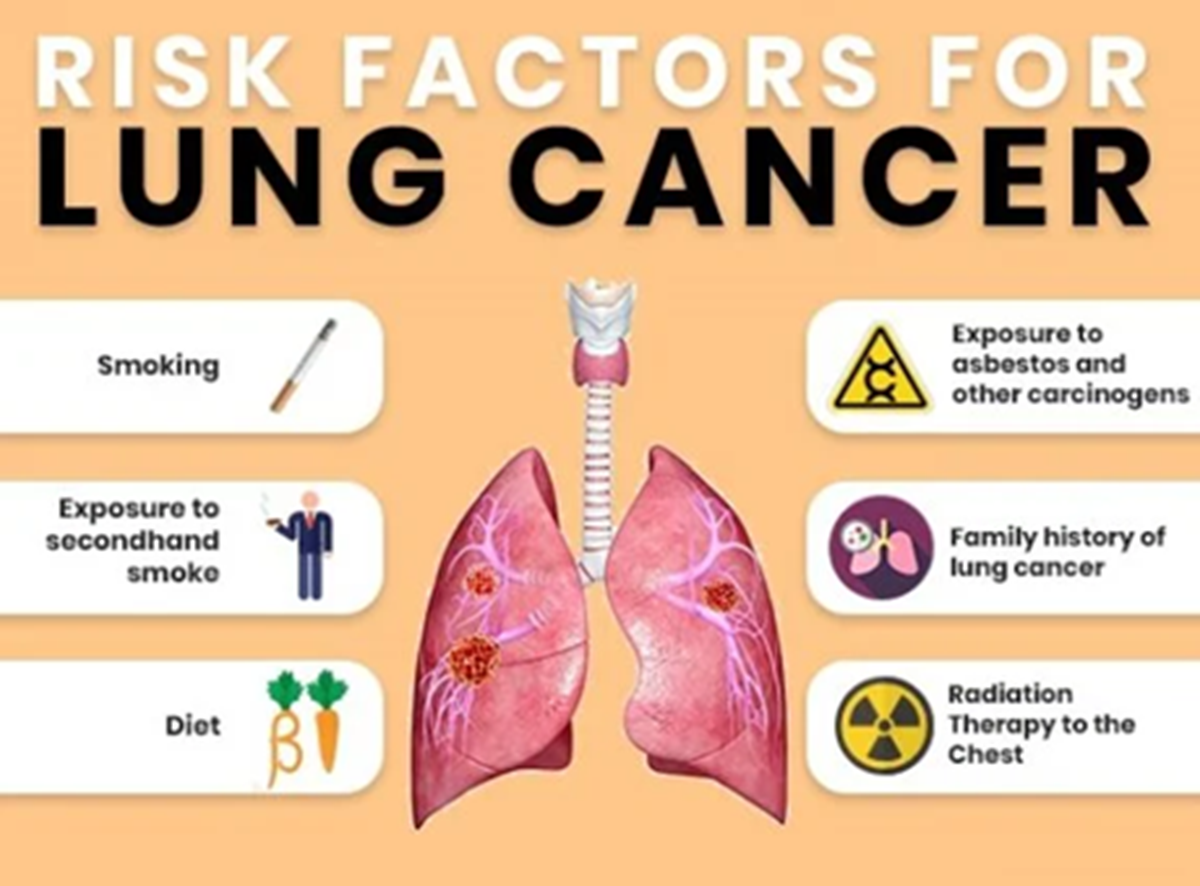
Lung Cancer Causes: The first thing that comes to mind when we hear the word lung cancer is cigarettes and smoking. Smoking has long been considered the biggest risk factor for lung cancer.
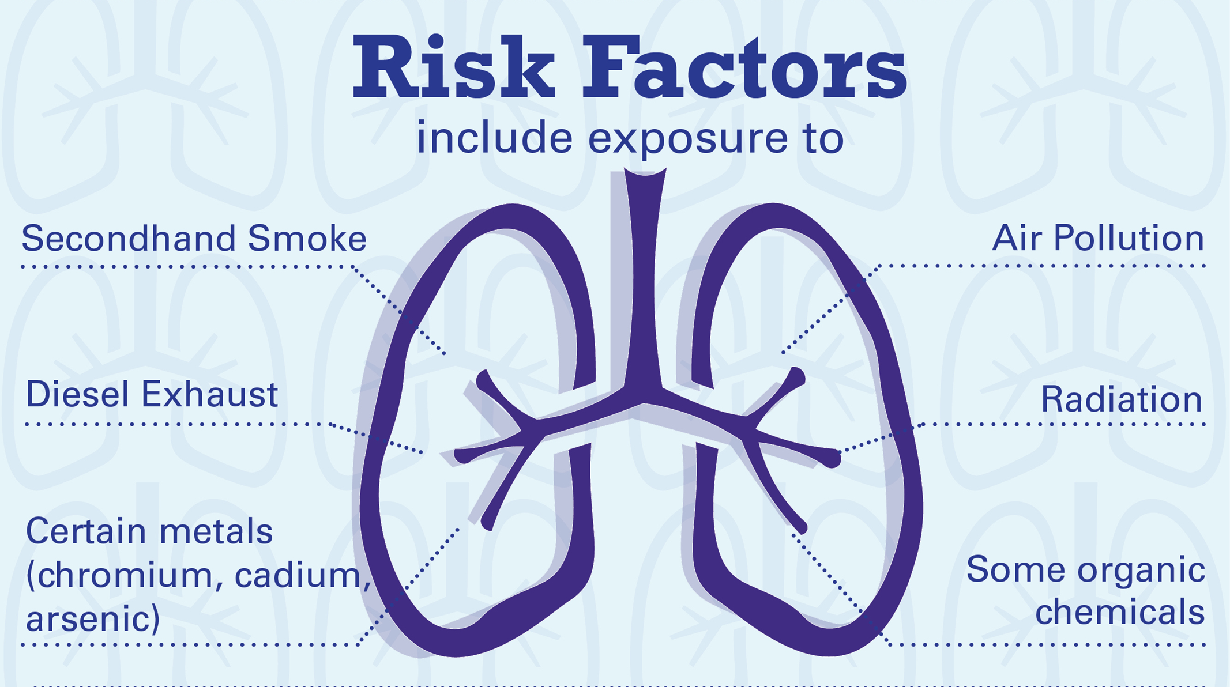
According to the World Health Organization, lung cancer is one of the leading causes of cancer deaths worldwide. Even in India, doctors are now seeing patients who do not fall into the traditional high-risk groups for lung cancer. This raises the question: why are non-smokers developing lung cancer, and what tests can help detect the disease early?
Why are non-smokers getting lung cancer?
According to Dr. Akshay Budhraja, Senior Consultant and Head of Respiratory and Sleep Medicine at Aakash Healthcare, there is a significant shift in the profile of lung cancer patients. Dr. Akshay Budhraja says that cases of lung cancer are also being reported among non-smoking women. This could be due to factors such as indoor air pollution, the use of biomass fuel for cooking, secondhand smoke, and exposure to harmful substances at the workplace.
According to them, tobacco use among Indian women is less than 10 percent. Therefore, deteriorating air quality and indoor pollution are being seen as possible reasons for this.
Dr. Budhraja says that hospitals are no longer seeing only patients over 60 who have smoked for a long time. Younger people, women, and those who have never smoked before are also presenting with lung cancer. Air pollution, exposure to harmful substances at the workplace, and genetic factors may play a major role in this.
Smoking remains the biggest threat.
The rise in lung cancer cases among non-smokers doesn't mean the risk from cigarettes has diminished. According to Dr. Akshay Budhraja, smokers can have a 20-fold higher risk of lung cancer than non-smokers. Furthermore, exposure to secondhand smoke, even if you don't smoke, can also increase the risk. People who are constantly exposed to cigarette smoke at home or work can also be at risk.
Additionally, radon gas is a risk factor for lung cancer. It can be present indoors and is usually not easily detected. The presence of radon gas in the home can be detected through testing.
Air pollution is also increasing the risk
Not only outdoor air pollution, but even poor indoor air quality can be harmful to the lungs. Smoke from cooking with wood, coal, or other biomass fuels and poor ventilation within the home can have long-term lung damage. Some people are exposed to dust, smoke, chemicals, and other harmful substances at work. This is called occupational exposure. Doctors consider this a potential risk factor for lung cancer. Furthermore, genetic factors may increase the risk of the disease in some individuals.
70 to 80 percent of patients reach the hospital late
One of the biggest challenges in lung cancer treatment in India is late diagnosis. According to Dr. J.B. Sharma, Director of the Action Institute of Medical Oncology and Immunotherapy at Action Cancer Hospital, Delhi, approximately 70 to 80 percent of patients reach the hospital when lung cancer has reached stage 3 or stage 4. A major reason for this is the neglect of early symptoms. Many people mistake symptoms like persistent cough, chest discomfort, and shortness of breath for a common infection or pollution allergy. This can lead to delays in proper diagnosis and treatment.
What tests should be done?
According to experts, tests like low-dose CT (LDCT) scans and molecular biomarker testing can help detect lung cancer early. In some cases, they can identify tumors before they spread to other parts of the body. However, not everyone automatically needs an LDCT scan. Doctors can determine who needs lung cancer screening based on age, smoking history, and other risk factors.
If you have a persistent cough, difficulty breathing, or persistent chest discomfort, it should not be ignored by considering it to be just pollution or a common infection.
How is treatment determined by genetic testing?
According to Dr. Palaniappan Ramanathan, Senior Consultant-Surgical Oncology at Sparsh Hospital, Bengaluru, lung cancer treatment is no longer the same for every patient. Treatment can now be tailored based on the cancer's unique characteristics. Genomic profiling can identify mutations such as EGFR, ALK, and ROS1. Finding these allows doctors to prescribe targeted oral therapy to some patients. Immunotherapy has also transformed treatment approaches for advanced-stage patients. This approach uses the body's immune system to fight cancer cells.
Fear of cancer is also causing delays in treatment.
According to experts, lack of awareness isn't the only problem in Tier-2 cities. The fear of cancer also prevents patients from seeking timely medical attention. Many patients perceive lung cancer as a sign of certain death and delay treatment due to this fear. However, technologies like video-assisted thoracoscopic surgery (VATS) and robotic surgery are now available. With the expansion of cancer treatment facilities in regional hospitals, patients can receive better treatment closer to their city.
Lung cancer can spread to other organs as well.
In advanced stages, lung cancer isn't confined to the lungs. It can spread to other parts of the body. The adrenal glands are among the sites where lung cancer can spread. If the disease progresses, the kidneys can also be affected. In such cases, doctors from different departments must work together to plan the patient's treatment.