LIFESTYLE
Women's Health Issues: 70% women in India silently suffer these problems. Know when you need to be careful.
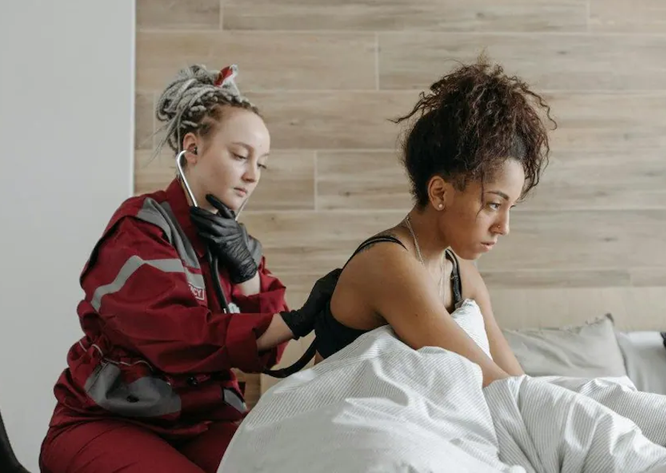
Are Painful Periods Normal? According to one estimate, approximately 70 percent of women in India face pain at some point in their lives. Let's explain in detail.
Signs of hormonal imbalance in women
Preventive Tips For Women's Reproductive Health: Today, our lifestyles are rapidly changing, and as such, women, along with men, are facing a variety of problems. Many health issues are considered normal and expected to be tolerated by women. Painful periods, PCOS, fibroids, endometriosis, or recurring infections are a daily reality for millions of women. Yet, it's often said that they are. However, persistent pain, heavy bleeding that disrupts daily routines, sudden weight gain, hair loss, or pelvic pain are not normal at all. Let us explain why.
Often, the silence stems from upbringing and hesitation. Discussing periods or vaginal health openly is often shamed. Some women fear they won't be taken seriously, and unfortunately, that's often the case. Access to gynecologists is limited in smaller towns and rural areas, while busy lives and family responsibilities in cities often put their health on the back burner.
What do experts say?
Dr. Akhila C., a gynecologist at Apollo Hospitals, Bengaluru, told TOI that women's bodies go through many changes. In India, it's estimated that more than 70 percent of women experience a gynecological problem at some point in their lives, but many cases go undiagnosed due to a lack of awareness and timely screening.
According to her, prioritize your periods first. Regular and tolerable periods are normal, but the need to change pads every hour, large clots, or bleeding for more than seven days may indicate a need for testing. Practice good hygiene, but avoid excessive chemical products, as the vagina has the ability to keep itself clean.
It is also important to pay attention to lifestyle
Nutrition and weight are also linked to hormonal balance. A diet rich in iron, calcium, and vitamins is essential. Being overweight or underweight can increase the risk of problems like PCOS and infertility. Regular exercise and adequate sleep help balance hormones. Women who are physically active should consider regular cervical cancer screenings and the HPV vaccine as recommended by their doctor. Mental health is equally important, as stress and lack of sleep can directly affect menstruation. Making lifestyle changes and paying close attention to your health can help prevent serious illness.