
Effects of Excess Alcohol: Beer is one of the most widely consumed beverages in the world. However, like other drinks, there is a limit to beer consumption. Let us tell you when it becomes dangerous.
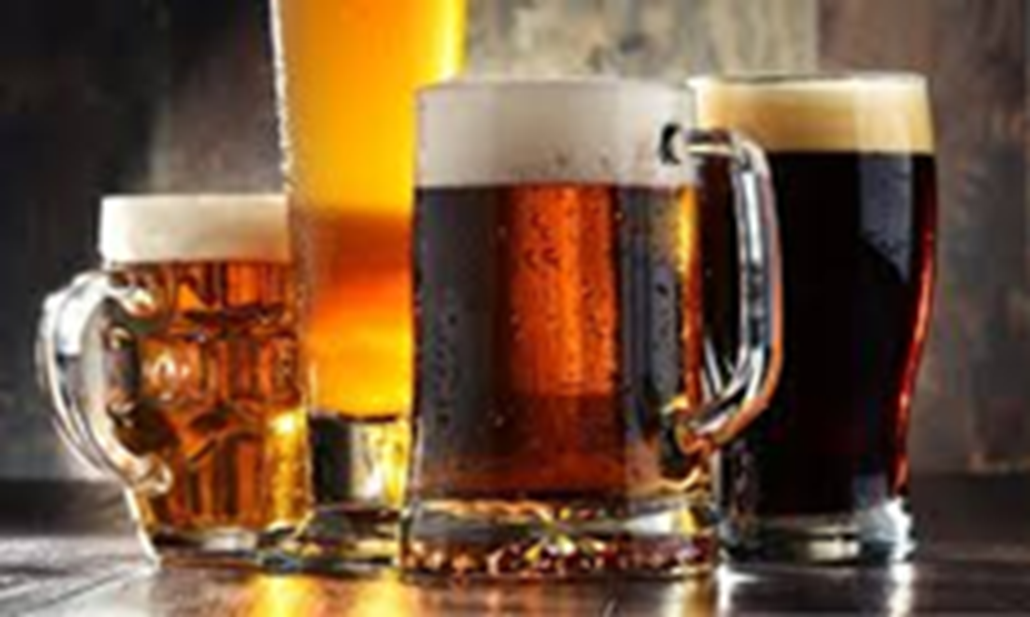
How many beers in one sitting can be fatal?
How Much Beer Is Life-Threatening: Accidentally drinking too much beer at once can be fatal, but it's not easy to understand how much is dangerous. While enjoying a few drinks with friends, we rarely consider that the body has its limits. The truth is, no set amount can lead to death from alcohol. Let's tell you how much beer can be dangerous for you.
How much beer is too much for you?
According to the health information website healthline, the body can only break down alcohol at a certain rate. Typically, the liver processes about one standard drink per hour. If a person drinks frequently, the amount of alcohol in the blood increases rapidly. In most places, a person is considered intoxicated if their blood alcohol concentration (BAC) reaches 0.08 percent. However, when this level reaches 0.40 percent or higher, the situation can become extremely dangerous. At this level, there is a risk of coma or death.
A standard drink contains approximately 14 grams of pure alcohol. This is equivalent to about 12 ounces (about 350 ml) of a 5% alcohol beer, 5 ounces of wine, or 1.5 ounces of hard drink. Typically, a standard drink can raise a BAC by about 0.02 percent. This means that a person can become legally intoxicated after just a few drinks, but a much higher amount is needed to reach a lethal level. On average, it takes about 25 standard drinks to reach a BAC of 0.40 percent, although in real life this number varies from person to person. Keep in mind that beer served in glasses often exceeds the standard amount or has a higher alcohol percentage, further increasing the risk.
What is the identification of overdose?
It's crucial to recognize the signs of an alcohol overdose. Persistent vomiting, pale or bluish skin, a slow heartbeat, a drop in body temperature, very slow or irregular breathing, confusion, seizures, or loss of consciousness are all serious warning signs. If someone's breathing slows to less than eight breaths per minute or they are unable to wake up, it's important to seek medical help immediately. The effects of alcohol aren't limited to just that night.
Drinking on an empty stomach allows alcohol to reach the bloodstream faster, and even small amounts can lead to increased intoxication. Drinking less water, finishing drinks quickly, or mixing them with other substances also increase the risk. Therefore, it's wise to drink with food, drink water between each drink, and limit your intake of more than one drink per hour.