
LIFESTYLE
Winter Skin Care Tips: Simple Home Remedies to Reduce Dryness, Dullness and Sun Tanning Naturally
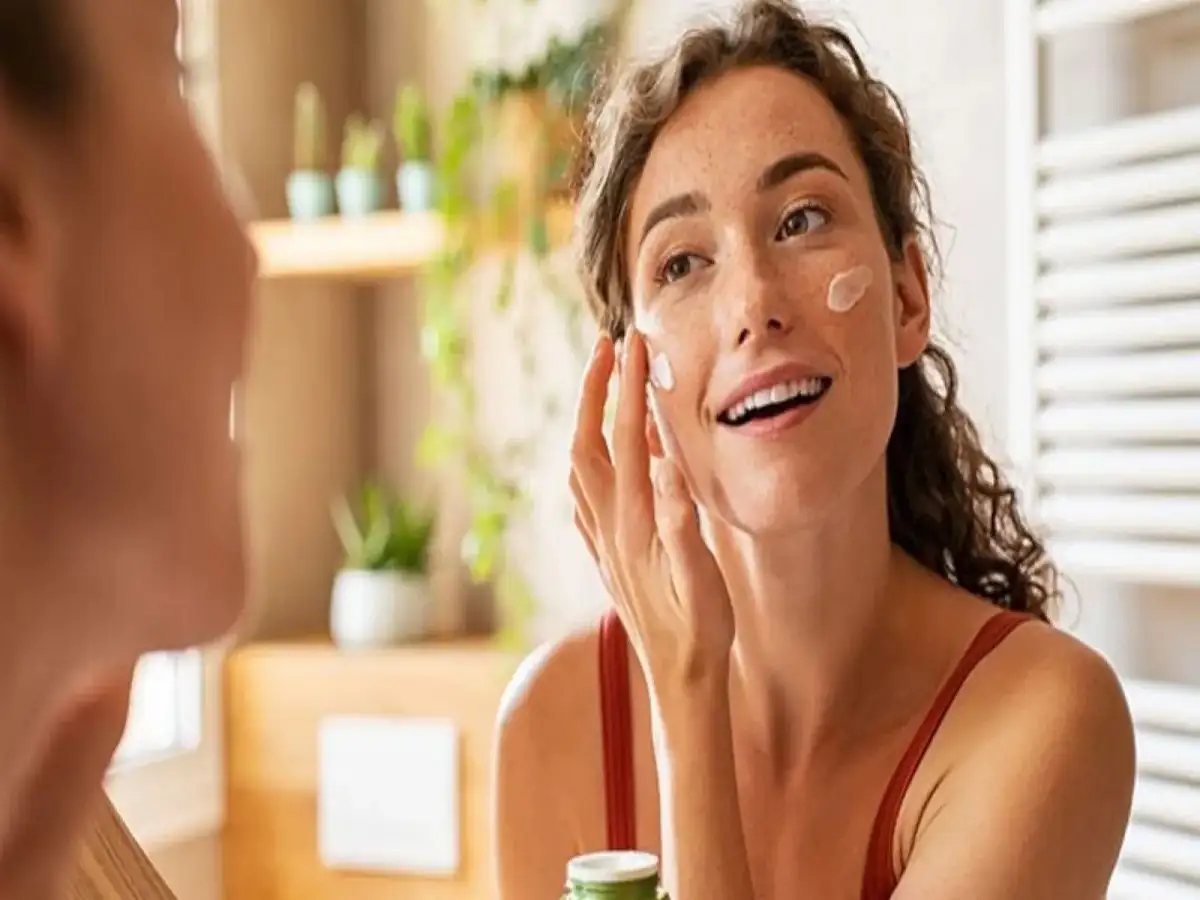
Winter Skin Care Tips: As temperatures begin to drop in November, many people notice changes in their skin. Cold winds, reduced humidity and indoor heating can leave the face feeling dry, rough and uncomfortable. At the same time, prolonged exposure to sunlight may cause tanning and uneven pigmentation. While expensive beauty products and salon treatments are popular solutions, a few simple skincare habits and carefully selected household ingredients may help improve skin hydration and appearance.
During winter, the skin often loses moisture more quickly because of dry environmental conditions. This can weaken its protective barrier, leading to tightness, flaking and a dull appearance. People who already have dry or sensitive skin may experience greater discomfort.
Interestingly, winter sunshine can also contribute to skin tanning. Although sunlight may feel less intense during colder months, ultraviolet radiation can still affect exposed skin.
A homemade face mask prepared with gram flour, yogurt, honey, coffee and turmeric is one traditional skincare option. However, its benefits vary between individuals, and there is limited scientific evidence that this particular combination removes tanning.
Here is how these ingredients are commonly used, how to prepare the mixture and what precautions to follow before applying it.
1. Gram Flour, Yogurt and Honey: How These Ingredients May Help Your Skin
Several ingredients commonly found in Indian kitchens are traditionally used in homemade skincare preparations.
Gram Flour (Besan): Gram flour is frequently used in homemade facial cleansers. It may help remove surface dirt and excess oil, although excessive use can leave already dry skin feeling uncomfortable.
Yogurt (Curd): Plain yogurt naturally contains lactic acid, an ingredient also used in formulated skincare products for gentle exfoliation. However, the concentration and effectiveness of lactic acid in homemade yogurt masks are not standardised.
Honey: Honey has moisture-attracting properties and is commonly used in skincare preparations. It may help the skin feel softer, although people with allergies to honey or related substances should avoid applying it.
Coffee Powder: Finely ground coffee is sometimes included in homemade exfoliating masks. However, its particles can be abrasive, particularly on sensitive or irritated skin. Physical scrubbing should be avoided.
Turmeric: Turmeric contains compounds with antioxidant properties and has a long history of traditional cosmetic use. Nevertheless, it may irritate some people's skin and can temporarily leave yellow stains.
These ingredients may provide temporary cosmetic benefits, but they should not be considered a guaranteed treatment for pigmentation, sun damage or chronic dryness.
2. Ingredients Required for a Homemade Winter Face Mask
If your skin is healthy and not particularly sensitive, you may consider trying this traditional mixture after performing a patch test.
| Ingredient | Quantity |
|---|---|
| Gram flour (besan) | 1 tablespoon |
| Fresh plain yogurt | 1 tablespoon |
| Honey | 1 teaspoon |
| Finely ground coffee | ½ teaspoon |
| Turmeric | A small pinch |
All these ingredients are generally available in household kitchens.
For people with sensitive or very dry skin, leaving out the coffee may reduce the risk of irritation. However, even a coffee-free mixture can cause a reaction.
3. How to Prepare the Homemade Face Pack
Preparing this traditional skincare mixture takes only a few minutes.
- Take a clean, dry bowl and add one tablespoon of gram flour.
- Mix in one tablespoon of plain, fresh yogurt.
- Add one teaspoon of honey and a small pinch of turmeric.
- If your skin tolerates physical exfoliants, add the optional finely ground coffee powder.
- Stir the ingredients until they form a smooth paste without large particles.
The mixture should be soft enough to spread easily without requiring pressure on the skin.
Prepare only the amount needed for immediate use. Since the recipe contains fresh dairy products and no preservatives, storing leftovers for later application is not recommended.
4. How to Apply the Face Mask Without Irritating Your Skin
Using a homemade mask gently is more important than leaving it on for a long time.
Begin by washing your face with a mild, fragrance-free cleanser. Pat your skin dry using a soft towel rather than rubbing it.
After a successful patch test, spread a thin layer of the prepared mixture over healthy facial skin, avoiding the eyes, lips and any irritated areas.
If your skin tolerates the ingredients, you may leave the mask on briefly, for approximately 10 minutes. Do not allow it to become excessively dry or uncomfortable.
Rinse it away gently using plain or lukewarm water. Avoid scrubbing the skin, particularly if coffee has been included.
Finally, apply a suitable moisturiser while your skin is still slightly damp.
A moisturiser containing ingredients such as glycerin, ceramides or petrolatum may be more reliable for managing winter dryness than a homemade face pack alone.
5. Important Precautions Before Using DIY Skincare Remedies
Natural ingredients are not automatically safe for every skin type. Some household products can trigger irritation, contact dermatitis or allergic reactions.
Before applying a new mixture to your face, test a small amount on an inconspicuous area of healthy skin and watch for a reaction. Delayed reactions can take several days to appear.
People with eczema, rosacea, broken skin, active irritation or known allergies should avoid experimenting with potentially irritating homemade masks without professional advice.
If burning, itching, swelling or redness occurs, wash the product off immediately and discontinue use.
Avoid rubbing the face with coffee granules or other abrasive ingredients. Repeated friction may worsen irritation and contribute to post-inflammatory pigmentation.
There is also no established medical recommendation for how frequently this particular homemade mixture should be applied. If you choose to try it, occasional use is preferable to daily application.
6. Why Sunscreen Is Essential Even During Winter
One of the biggest skincare misconceptions is that sunscreen is necessary only during summer.
Ultraviolet rays can reach the skin throughout the year, including on cool and cloudy days. UVA exposure contributes to premature skin ageing and pigmentation, while UVB exposure can cause sunburn.
To protect your skin, choose a broad-spectrum sunscreen with SPF 30 or higher.
Apply it to exposed areas before going outdoors and reapply approximately every two hours when spending extended periods outside, particularly after sweating or wiping the skin.
Protective clothing, sunglasses and seeking shade can provide additional protection.
Remember that homemade face masks cannot replace sunscreen or reverse all forms of sun-induced pigmentation.
7. Additional Winter Skincare Habits for Healthy, Hydrated Skin
Along with appropriate sun protection, a few everyday habits can help maintain the skin's natural moisture barrier.
Avoid taking very hot showers, as prolonged exposure to hot water can increase dryness. Instead, use lukewarm water and limit bathing time.
Choose gentle cleansers that do not leave the skin feeling tight after washing.
Apply moisturiser regularly, especially after bathing and washing your face. People with extremely dry skin may benefit from thicker creams or ointments rather than lightweight lotions.
Avoid excessive exfoliation during winter, particularly when your skin is already flaky or irritated.
Drinking sufficient water supports general health, although hydration alone cannot replace topical moisturising products.
If persistent pigmentation, cracking, itching or inflammation develops, consult a dermatologist for appropriate treatment.
Conclusion
Winter weather can make skin appear dry, rough and dull, while continued exposure to ultraviolet radiation may contribute to tanning and uneven pigmentation.
Traditional ingredients such as gram flour, yogurt, honey and turmeric are commonly used in homemade skincare preparations, but their effectiveness is not guaranteed, and some may irritate sensitive skin.
The most dependable winter skincare routine combines gentle cleansing, regular moisturising and consistent use of broad-spectrum sunscreen.
Instead of relying entirely on expensive beauty treatments or unproven home remedies, focus on protecting the skin barrier and selecting products suited to your individual skin type.
Disclaimer: This article provides general skincare information and is not a substitute for professional dermatological advice. People with allergies, sensitive skin or existing skin conditions should consult a qualified dermatologist before trying homemade treatments.