LIFESTYLE
Winter Health Risks: Who is more likely to suffer a heart attack in winter? Don't ignore these 5 symptoms.

Winter Heart Attack Warning Signs: Heart problems increase significantly during the winter season, especially cases of heart attack are seen more frequently. Let us tell you why this is so.
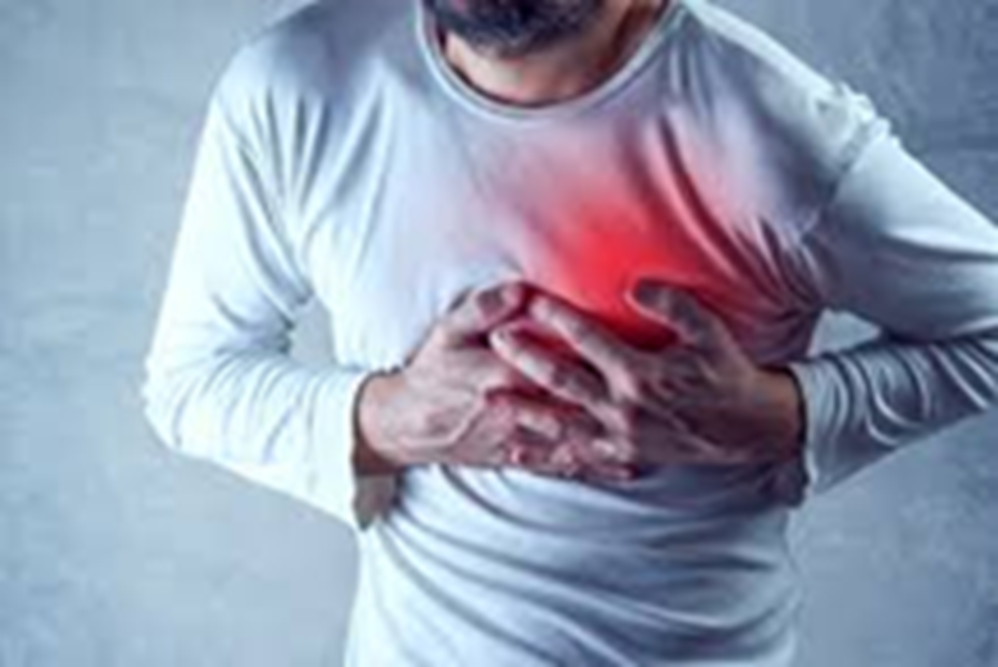
Heart attack in winter
Who is at risk of a heart attack in winter? The cases of heart attack increase rapidly in winter, and the main reason for this is the seasonal changes in the body. According to the WHO, heart-related diseases are the biggest cause of death worldwide. A heart attack occurs when an adequate amount of blood does not reach the heart muscle. In most cases, this problem is caused by blockage in the heart arteries, due to which the heart muscle starts getting damaged gradually.
Why does this happen
Doctors say that heart attacks can occur year-round, but the risk increases exponentially in winter. According to experts, there's a clear increase in heart-related emergencies during the cold season. As temperatures drop, physiological changes occur in the body and lifestyle changes, which put additional strain on the heart.
Vasoconstriction is a major cause of heart attacks in winter. In the cold, the body constricts blood vessels to maintain heat, increasing blood pressure. This forces the heart to pump more blood. This can be extremely dangerous for people with pre-existing blockages in their arteries or a weak heart. Furthermore, cold also thickens blood, increasing the risk of blood clots. People also reduce physical activity during the cold season. Lack of exercise leads to weight gain, poor blood circulation, and can worsen cholesterol levels. Additionally, fried and high-calorie foods in winter also harm heart health.
What do experts say?
Meanwhile, respiratory illnesses, such as the flu or viral infections, can also pose a risk to the heart. They increase inflammation in the body, which destabilizes plaque in the arteries and increases the risk of a heart attack. Senior Dr. Shraddhey Katiyar posted about this on social media, saying, "The increase in heart attacks in winter is not a coincidence. As soon as it gets cold, the body goes into survival mode to conserve heat. This causes blood vessels to constrict, blood pressure to rise rapidly, and the heart to work harder. Platelets also stick together more quickly in the cold, further increasing the risk of clot formation."
What symptoms should not be ignored?
Certain people are at the highest risk during winter. These include those with pre-existing heart conditions, high blood pressure, diabetes, smoking habits, and the elderly. If you experience symptoms like chest pain, shortness of breath, sudden weakness, excessive sweating, or dizziness during this season, don't ignore them. Timely diagnosis and treatment are the strongest defenses against heart attacks.