LIFESTYLE
Winter Hacks: Is Your Water Tank Turning Ice-Cold in Winter? Try These Easy Fixes Without a Geyser
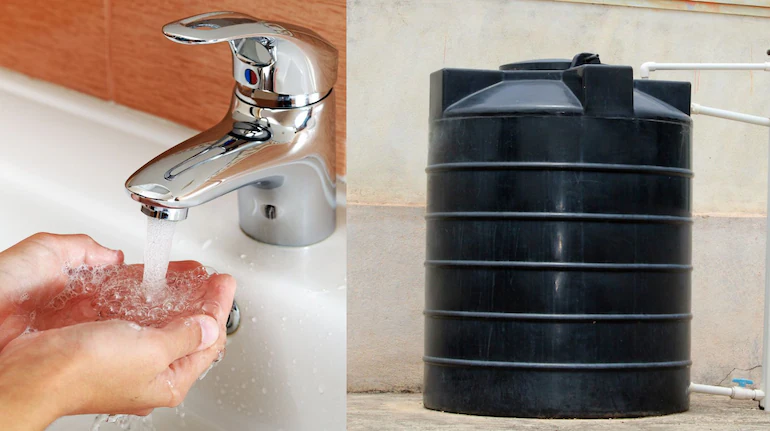
During peak winter, daily chores become much harder when freezing-cold water starts coming from the rooftop tank. Washing hands and face in the morning, doing dishes, or taking a bath can feel unbearable—especially in homes without a geyser. Since overhead tanks are exposed to cold winds and low temperatures, the water inside cools down rapidly.
Many people assume installing a geyser or heater is the only solution, but that’s not always practical or affordable. The good news is that you can prevent tank water from becoming excessively cold without using electricity. With a few simple, low-cost, and long-lasting methods, winter water problems can be managed effectively.
Why Does Water in the Tank Become Extremely Cold in Winter?
Rooftop water tanks are directly exposed to cold air, fog, and low night temperatures. Continuous exposure causes the stored water to lose heat quickly, making it ice-cold by early morning. Even if the tank is covered, open pipelines often worsen the problem by cooling the water before it reaches your tap.
Easy Winter Hacks to Keep Tank Water From Freezing
1. Use Thermocol Sheets for Insulation
Thermocol works as an excellent insulating material. Wrap thick thermocol sheets around the water tank and cover the top with a plastic sheet. This creates a protective layer that blocks cold air and helps retain the water’s natural temperature.
2. Cover the Tank With Jute Bags
Old jute sacks can act like a warm blanket for your tank. Wrap 2–3 layers of jute bags around the tank and secure them with rope. This simple method significantly reduces heat loss during cold nights.
3. Don’t Ignore the Water Pipes
Many times, the tank is covered but exposed pipes make the water cold again. Wrap pipes with foam sheets, thermocol, or even old woollen clothes. This prevents cold air from lowering the water temperature before it reaches the bathroom or kitchen.
4. Install a Small Shed or Enclosure
If possible, build a small shed or cabin around the water tank. This protects it from cold winds in winter and excessive heat in summer, helping maintain a more balanced water temperature throughout the year.
5. Consider a Solar Water Heater (Optional)
If your budget allows, a solar water heater is a long-term solution. It uses sunlight to warm water naturally, reducing dependency on electricity. Though the initial cost may be higher, it saves money on power bills in the long run.
Final Thoughts
You don’t need expensive appliances or electricity to deal with icy tank water in winter. Simple insulation techniques, pipe coverage, and basic protection can make a noticeable difference. These easy winter hacks are budget-friendly, effective, and perfect for homes without geysers—making daily chores much more comfortable even in extreme cold.