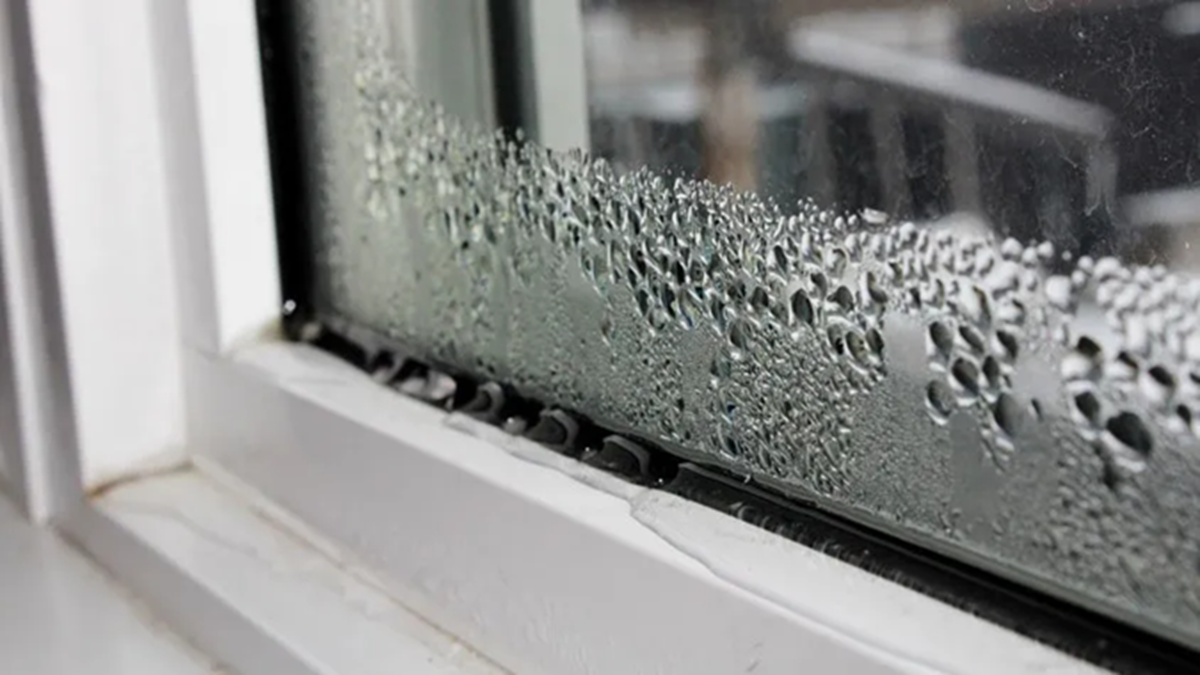
Leaking Window During Rain: Leaking windows are often caused by minor defects, such as broken sealant or corking, worn weatherstripping, or gaps in the window frame.
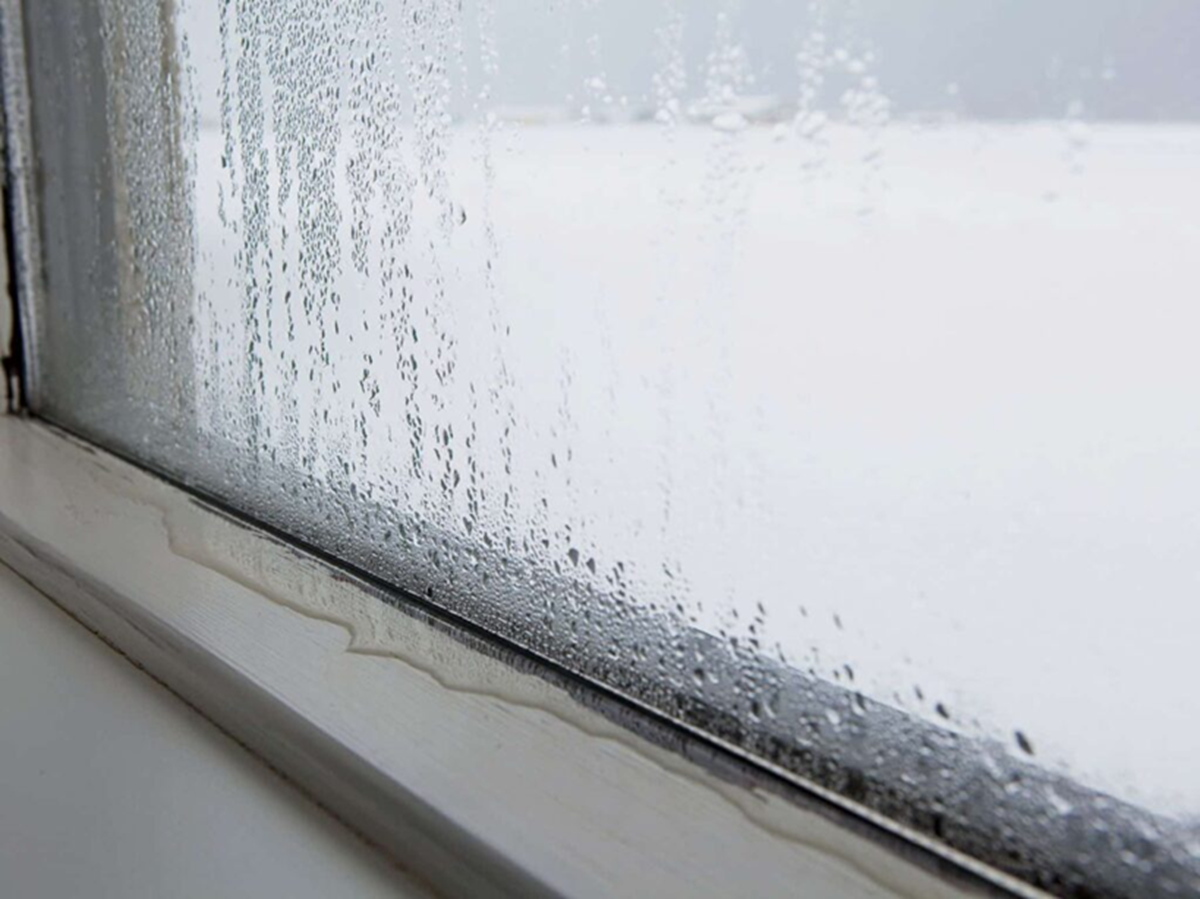
Causes and remedies for water coming from the window during rain
Rainwater Coming Through Window: During the rainy season, with strong winds and heavy rain, the problem of water entering through windows becomes common. Sometimes, a slight water leak begins to appear from the window sills, but people ignore it, thinking it to be a minor problem. This water can gradually damage floors, walls, window frames, and surrounding objects. If rainwater is coming in through your home's windows, you should check a few important things before the floor gets damaged.
Leaking windows are often caused by minor defects, such as cracked sealant or caulking, worn weather stripping, gaps in the window frame, or poor drainage. During heavy rain, these small cracks can allow water inside the home.
Be sure to check the caulking around the window.
First, carefully inspect the outer edges of the window. If the caulking or sealant around the window frame is cracked, dried out, or peeling away from the frame, it could be a source of rainwater seeping in. In such a situation, instead of simply applying new sealant over the top, it's best to remove the old and damaged caulking and reseal it with a sealant specifically designed for exterior use. This can help close small gaps around the window edges.
Weatherstripping can also be the reason.
Weatherstripping, which is placed between the window opening and closing parts, helps keep rain, wind, and outside moisture from getting in. Over time, it can wear out, become compressed, or come loose. If air still leaks through the edges or you notice any gaps after closing the window, inspect the weatherstripping. Replacing worn or loose weatherstripping can improve the window's sealing and reduce the risk of water ingress.
Don't overlook window frames.
Sometimes the problem isn't just the sealant or rubber, but the window frame itself may be damaged. Wood frames can rot due to constant moisture, while some older frames may loosen or shift slightly over time. Don't ignore any cracks, discoloration, soft areas, or gaps between the frame and the wall. If the wood frame is rotting from the inside, simply applying sealant won't completely eliminate the problem. In such a situation, a proper inspection for moisture and damage may be necessary.
Also take care of water drainage
Rainwater doesn't just enter the house through window cracks. If water accumulates around the house or if water from the roof constantly falls on and around the windows, it can put increased pressure on the window seals. Keep gutters and drainage channels clean during the rainy season . Accumulation of leaves, dirt, and debris can prevent water from flowing in the right direction. Also, ensure that downspouts don't accumulate near the foundation or windows. The slope of the soil around the house should also allow water to flow outward rather than toward the house.
If there are drainage holes or outlets on the outside of the window, keep them clean. Accumulation of debris can cause water stagnation and lead to leakage during heavy rain.
Recognize the early signs of water coming in
It's not always necessary that water is seen dripping directly from a window onto the floor. Sometimes, water slowly penetrates the wall or frame, and the damage is only noticeable later. Peeling paint around the window, bubbles appearing on the wall, swelling or softening of the wood, water marks near the seal, and a musty smell in the room can also be signs of moisture. If the carpet or floor beneath the window repeatedly feels damp, the cause should be investigated. Recognizing these signs early is crucial, as moisture can reach behind the wall, under the floor, or elsewhere.
What to do if water gets inside during rain?
If water starts to enter through a window during a heavy downpour, first remove furniture, electronics, carpets, and other important items. This will reduce the risk of damage. For light rain, you can blot up the water with a towel, and if necessary, use a bucket or other container. But don't be complacent just by removing visible water from the floor. Water can also get behind walls, under floors, or inside window frames. After the rain stops, carefully inspect the affected area. Look for moisture or water marks on the walls, floors, window sills, and surrounding wood. If the damage is extensive, taking photographs can be helpful, especially if you need to process repairs or insurance.
Do this before your floor gets damaged.
It's a good practice to check window caulking, weather stripping, and frames before the rains begin. Also, ensure proper drainage around the house and that rainwater doesn't constantly accumulate around windows. If windows are leaking or moisture and rot are visible inside the frames, it's important to address the root cause of the problem rather than simply sealing the gap from the outside.