LIFESTYLE
Why Washing Your Hands Regularly Matters: Simple Hygiene Habits That Help Prevent Infections
Health Tips: Maintaining good hygiene is just as important as eating a balanced diet and following a healthy lifestyle. During the monsoon season, when the risk of infections increases, regular handwashing becomes one of the easiest and most effective ways to protect yourself from germs. Our hands come into contact with countless surfaces every day, making them a common source of bacteria, viruses, and other microorganisms that can spread illness. Here's why handwashing is essential and how to do it correctly.
Why Is Handwashing So Important?
Throughout the day, our hands touch mobile phones, currency notes, door handles, shopping carts, public transport, and many other frequently used surfaces.
These objects may carry harmful microorganisms that can enter the body when we touch our eyes, nose, mouth, or food. This can increase the risk of illnesses such as the common cold, influenza, stomach infections, diarrhoea, and food poisoning.
Regular handwashing is a simple preventive measure that helps reduce the spread of infectious diseases.
Benefits of Washing Your Hands Frequently
Cleaning your hands with soap and water offers several health benefits, including:
- Helps remove bacteria, viruses, and other germs.
- Reduces the risk of stomach infections and food poisoning.
- Lowers the chances of catching colds, flu, and other contagious illnesses.
- Protects family members, especially children, older adults, and people with weakened immunity.
- Promotes better personal hygiene and overall health.
Consistent hand hygiene is one of the most effective public health measures for preventing the spread of infections.
How to Wash Your Hands Properly
Health experts recommend following these steps to clean your hands effectively:
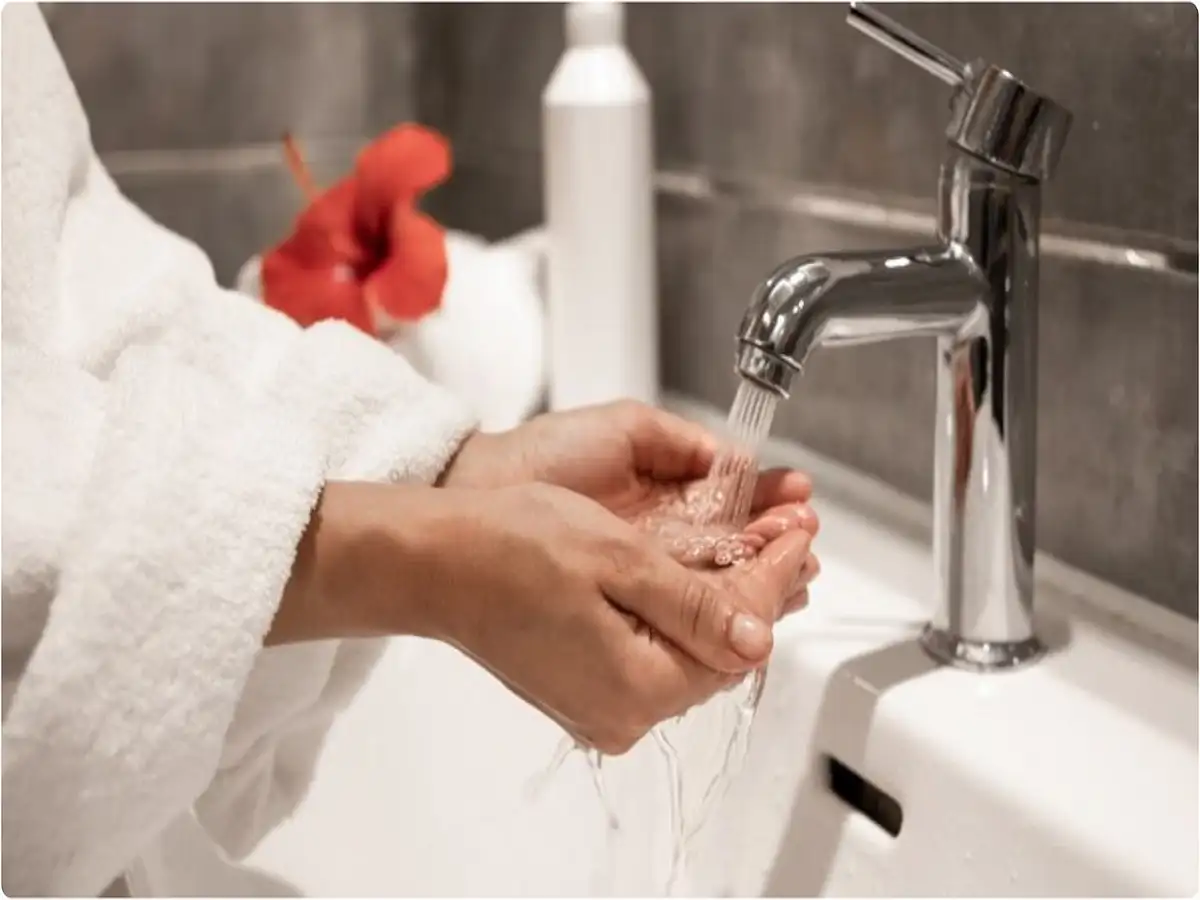
- Wet your hands with clean, running water.
- Apply enough soap to cover all surfaces of your hands.
- Rub your palms together thoroughly.
- Clean the back of both hands.
- Rub between your fingers.
- Clean underneath your fingernails.
- Wash your thumbs carefully.
- Continue rubbing your hands for at least 20 seconds.
- Rinse thoroughly under clean running water.
- Dry your hands using a clean towel or an air dryer.
Following these steps helps remove most germs and reduces the risk of spreading infections.
Can Hand Sanitiser Replace Soap?
If soap and clean water are not available, an alcohol-based hand sanitiser containing at least 60% alcohol can be used.
To use sanitiser effectively:
- Apply enough product to cover all parts of your hands.
- Rub your hands together until they are completely dry.
However, hand sanitisers are less effective when hands are visibly dirty, greasy, or covered with dust. In such cases, washing with soap and water remains the preferred method.
When Should You Wash Your Hands?
Health experts recommend washing your hands at the following times:
- Before preparing food.
- Before eating meals or snacks.
- After cooking, especially after handling raw meat.
- After using the toilet.
- After changing a baby's diaper.
- Before and after caring for someone who is ill.
- After coughing, sneezing, or blowing your nose.
- After touching garbage or waste bins.
- After handling pets, animals, or animal food.
- Before and after cleaning or treating a wound.
- After returning home from public places.
Making handwashing a routine habit can significantly reduce the spread of germs in daily life.
Why Hand Hygiene Is Especially Important During the Monsoon
The rainy season creates favourable conditions for the growth of bacteria, viruses, and fungi. Increased humidity and stagnant water can contribute to the spread of infections.
During the monsoon, proper hand hygiene becomes even more important to reduce the risk of:
- Viral infections
- Stomach-related illnesses
- Foodborne diseases
- Seasonal flu
- Skin infections caused by contaminated surfaces
Practising good hygiene, drinking safe water, and consuming freshly prepared food can further reduce the chances of falling ill during this season.
Additional Tips for Better Hand Hygiene
Apart from regular handwashing, you can improve hygiene by:
- Keeping your fingernails trimmed and clean.
- Avoiding touching your face with unwashed hands.
- Carrying a hand sanitiser when travelling.
- Washing reusable towels regularly.
- Encouraging children to wash their hands properly.
Developing these habits can help maintain better personal hygiene and reduce the spread of germs at home, school, and the workplace.
The Bottom Line
Regular handwashing is one of the simplest yet most effective ways to protect yourself and others from infections. Whether you're at home, at work, or travelling, cleaning your hands with soap and water can significantly lower the risk of common illnesses. When soap and water are unavailable, an alcohol-based hand sanitiser can serve as a useful alternative, although it should not completely replace proper handwashing when hands are visibly dirty.
Making hand hygiene a daily habit can go a long way in supporting better health, especially during the monsoon season when the risk of infections is higher.