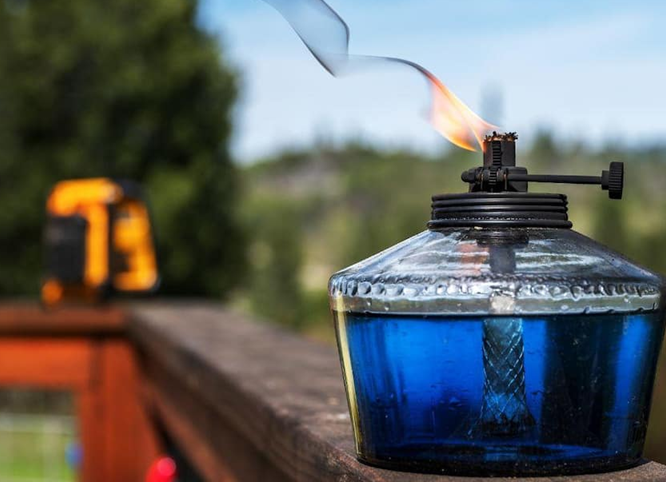
Kerosene is in the news amid gas shortages caused by the Middle East war. Also known as ghoslet, a corrupted form of the word gaslight, this fuel is once again becoming a staple in kitchens during this time of crisis.
Why is kerosene called kerosene?
The ongoing war in the Middle East has created a global energy crisis, which has also affected the supply of LPG gas in India. As a result, the old companion, kerosene, is once again making its way into Indian kitchens. We've known it as kerosene since childhood, but have you ever wondered why it got this name? Does it really come from the soil, or is there some other scientific reason? Let's understand the truth about this blue oil and the story behind its interesting name in detail.
Is kerosene really made from soil?
People often assume that just as peanut oil is extracted from peanuts and sesame oil from sesame seeds, kerosene is also produced by squeezing soil. However, this notion is completely wrong from a scientific perspective. Kerosene is actually a petroleum product. It is refined from the same crude oil that produces petrol and diesel. It is called kerosene because its source lies deep underground. It is also commonly known as kerosene because it originates from beneath the soil.
The journey from the depths of the earth to the refinery
Crude oil exists thousands of feet underground. When this crude oil is extracted and refined in a refinery, it separates into petrol, diesel, and kerosene at different temperatures. Technically, this is called fractional distillation. Kerosene is produced at a specific stage of this process. Because it is completely connected to the fossil fuel found underground, it has been given a name that connects it to the land or soil in rural and urban India.
Why is kerosene called ghuslet?
In many parts of India, especially Maharashtra and some areas of North India, kerosene is also called 'Ghaslet'. As indigenous as this name sounds, its roots are equally foreign. In fact, in ancient times, when gas-powered lights were introduced to India from abroad, it was difficult for rural Indians to pronounce the word 'Gas Light'. Gradually, people began to distort it to suit their convenience and began calling it 'Ghaslet'. Even today, this name remains the most common name for kerosene among the elderly.
An important companion from the kitchen to the lighting
There was a time when electricity and LPG cylinders were a thing of the past in Indian homes. Back then, kerosene was the magical fuel that illuminated homes and fueled stoves. Lanterns and lamps used this oil. Kerosene was also essential for cooking in stoves. Over time, gas cylinders replaced it, but today's current global crisis and gas shortages have once again reminded people of this ancient and reliable fuel.