LIFESTYLE
Why Are People Afraid of Dogs? Does the sight of a dog make you sweat? Find out the real reason behind it.
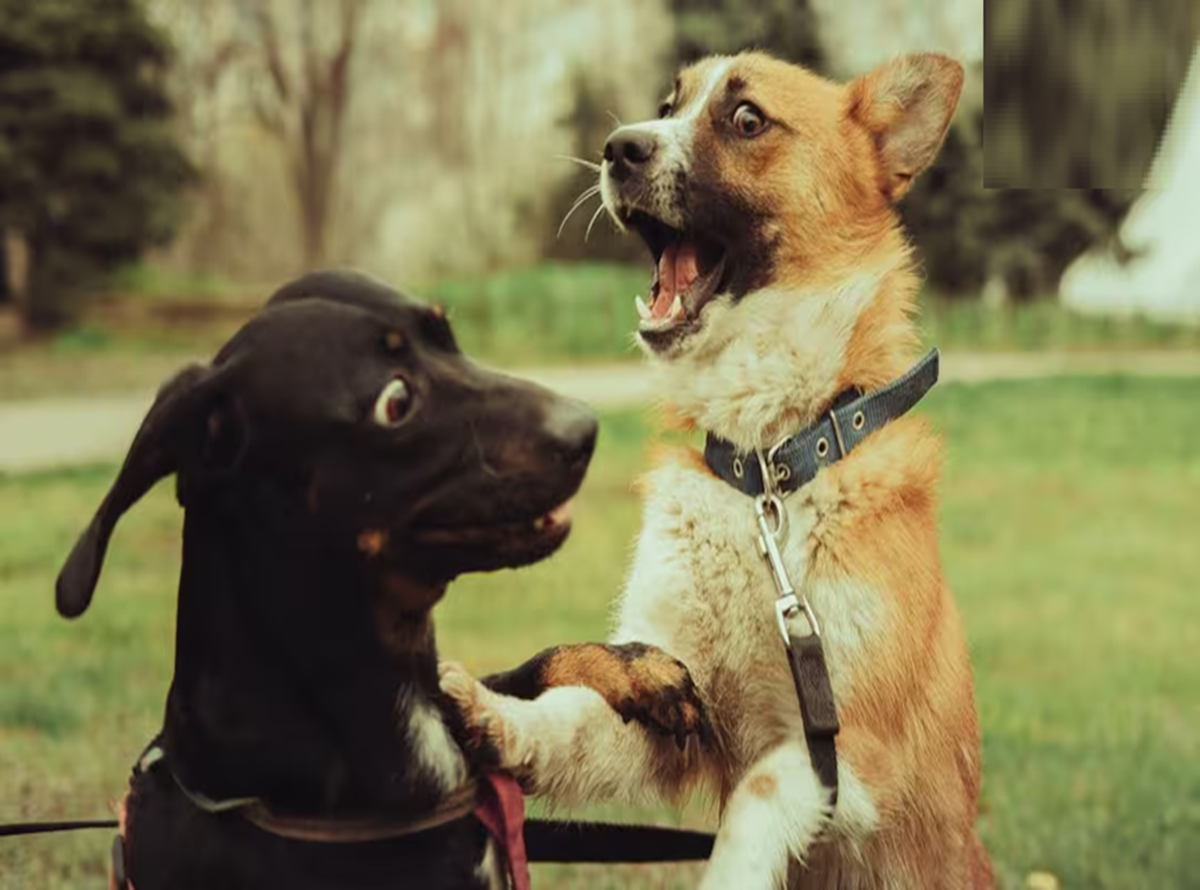
Dog Body Language: People often misunderstand dog behavior. The most common misconception is about tail wagging. Not every wagging tail means a dog is happy.

Why are you afraid of dogs?
Why Are People Afraid Of Dogs? Dogs are often called man's best friend, yet many people become nervous upon seeing them. Some change their path, others stop, and others try to run away out of fear. Interestingly, cats are also among the world's most popular pets, but the number of people who fear them is much lower than that of dogs.
According to Dr. Vinod Sharma, Director and Head Veterinarian, the biggest reason for this isn't the animals themselves, but rather people's thinking, experiences, and perceptions. He says that dogs are generally larger, stronger, and more visible in public places. Therefore, people assume that if a dog attacks, the injuries could be more serious. This is why people are increasingly afraid of dogs.
What is the reason behind this?
Dr. Sharma explains that this fear is often not innate, but develops over time. A bad childhood experience with a dog, hearsay from family members, or news of dog attacks can all instill fear in people. Therefore, in most cases, this fear is more related to people's thinking and experiences than to the nature of dogs. He also clarified that being afraid of dogs does not necessarily mean that a person hates animals. People often mistakenly call such individuals "animal haters," which is not necessarily true. According to him, this fear can even develop into a phobia in many people.
What are its signs?
Dr. Sharma explains that a phobia isn't just about feeling uncomfortable. It can cause physical reactions like intense anxiety, increased heart rate, sweating, trembling, or crying. Furthermore, many people avoid places where dogs are likely to be encountered due to this fear. Those who simply dislike dogs may want to maintain a distance from them, but they don't experience anxiety or panic.
Misunderstand the behavior of dogs
According to Dr. Sharma, people often misunderstand dog behavior. The most common misconception is about tail wagging. A wagging tail doesn't always mean the dog is happy. If its tail is held stiffly and wagging rapidly, it could be a sign of stress or excitement. Similarly, many people mistake a dog's frequent lip licking, yawning, or averting its gaze for normal behavior, but these could be signs of stress or discomfort.
How can we reduce fear?
Experts believe that understanding dog behavior can significantly reduce people's fears. Furthermore, approaching an unfamiliar dog should only be done with its owner's permission. Respecting a dog's personal space and understanding its behavior is the best way to stay safe.