Wholesale inflation rose to 9.92% in August, up from 9.78% in July. This means that for the fourth consecutive month, wholesale inflation has remained around 10%.
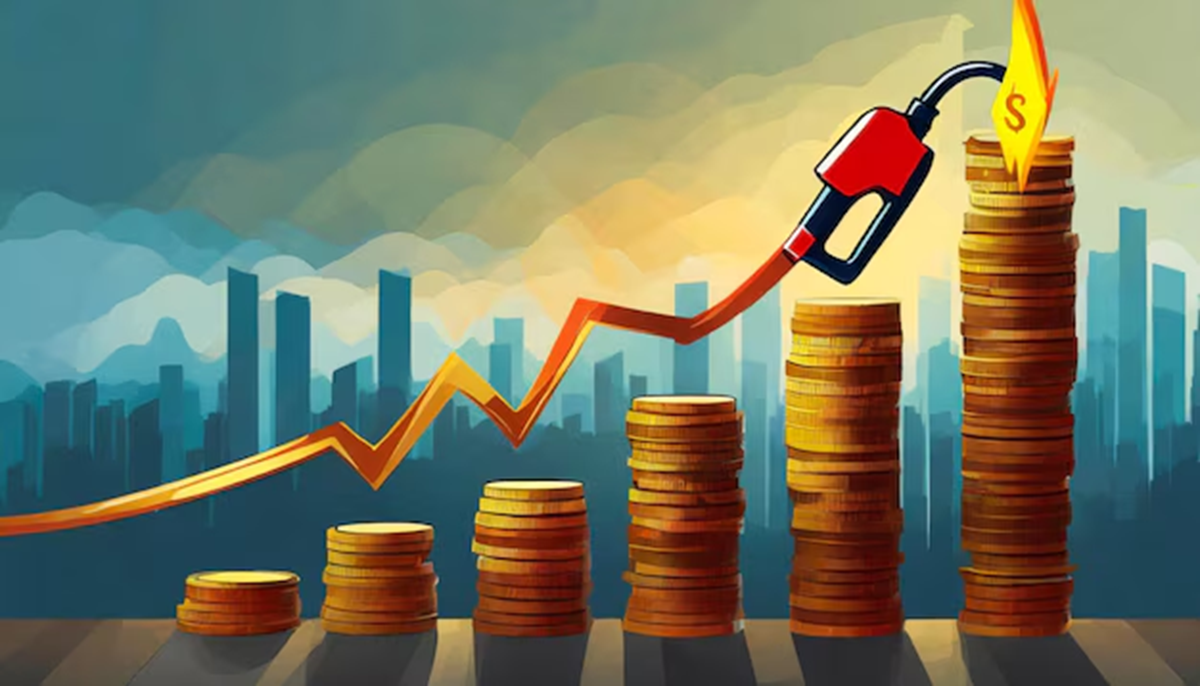
Wholesale Inflation: Wholesale inflation reached 9.92% in August
On September 14, the Ministry of Commerce and Industry released the Wholesale Price Index (WPI) data for August 2026. In August, wholesale inflation was 9.92%, compared to 9.78% in July. Now, it's important to understand how these wholesale inflation figures will affect your pocket. Has every item in the market become 10% more expensive? And if the WPI is so high, why aren't we seeing its impact on our pockets?
What is WPI?
WPI stands for Wholesale Price Index. Simply put, it's a calculation of the price at which goods are sold in the wholesale market. WPI indicates the change in price between the time a product leaves a factory and reaches a large trader or shopkeeper. WPI isn't the price you pay at a store. CPI provides a picture of the price at which a customer purchases goods.
There's another difference. WPI doesn't include services, meaning things like school fees, doctor's fees, rent, or mobile recharges aren't included in WPI. It primarily looks at the prices of commodities, such as grains, vegetables, petroleum, steel, cement, textiles, chemicals, and other items.
What does 9.92% mean?
WPI inflation was 9.92% in August. This doesn't mean that every item became 9.92% more expensive. It simply means that the prices of WPI goods increased by an average of 9.92% in August 2026 compared to August 2025. Think of it this way: if an item was priced at ₹100 in wholesale last year, then based on the average increase, its price might now be around ₹110. However, prices don't increase uniformly for every item. Some items become more expensive, some less, and some may even decrease.
After all, why has inflation increased so much?
Power petrol plays the largest role in this. Inflation in this category was 22.93% in August, compared to 20.05% in July. Within this category, petroleum product prices increased by 38.48% compared to last year. Crude petroleum and natural gas prices increased by 34.41%, meaning that petroleum-related prices have significantly pushed up wholesale inflation.
Increase in food and drink prices
The second major pressure came from food. Food index inflation rose to 7.05% in August, compared to 6.65% in July. Inflation for finished food products rose to 9.65%. This means that not only food items but also packaged and processed products derived from them are experiencing price pressure.
Not everything is expensive
It's also important to understand that the entire 9.92% increase in WPI isn't solely due to rising commodity prices. Some categories have also experienced some relief. Inflation for primary articles fell from 8.52% in July to 7.76% in August. In non-food articles, it fell from 17.66% to 14.79%, and for minerals, it fell from 13.28% to 8.24%. Meanwhile, electricity inflation was -1.73% and computer and electronic goods -0.47%, meaning prices in these categories are lower than last year.
How come it was 4% in March and is now almost 10%?
The story here is a bit interesting. In March 2026, WPI inflation was just 3.98%. Subsequently, it rose to 8.36% in April, 9.88% in May, 9.97% in June, and 9.92% in August. In just a few months, wholesale inflation rose from around 4% to nearly 10%. A major reason for this is the base effect.
Understand this simply. Inflation is measured against last year's prices. If prices were very low last year, even a modest increase in prices this year can appear quite large in comparison. Last year's WPI inflation averaged -0.20% between April and August. In comparison, this year's average inflation between April and August was approximately 9.56%. Therefore, this year's high figure is being driven by current prices as well as last year's low base.
What will be the impact on your pocket?
WPI doesn't directly impact your pocket, but it can have an impact later. Suppose a company's prices for petrol, steel, chemicals, or other raw materials become more expensive. This will increase its costs. For a while, the company can absorb these increased costs on its own, but if costs persist, it may raise the price of its products.
Simply put, if wholesale prices rise, a company's costs increase, and the company makes the product more expensive, then retail prices may rise after some time. Therefore, WPI is considered an indicator of impending price pressure.
Then if WPI is 9.92% then why is everything in the market not 10% expensive?
Because WPI and CPI calculate different things. WPI considers the prices of goods at wholesale rates, while CPI considers the prices that affect the average consumer's purchasing power. Furthermore, companies don't raise the prices of their products immediately after wholesale costs rise. Depending on competition, demand, and their margins, they may absorb the increased costs for some time. Therefore, a WPI of 9.92% doesn't mean that every item in your household has become 9.92% more expensive.
The August WPI data is provisional, meaning it is not final. The data is based on 84.4% weighted responses and is subject to change as more data becomes available.