LIFESTYLE
Which Animal Lives the Longest? Meet the Greenland Shark, the World's Longest-Lived Vertebrate
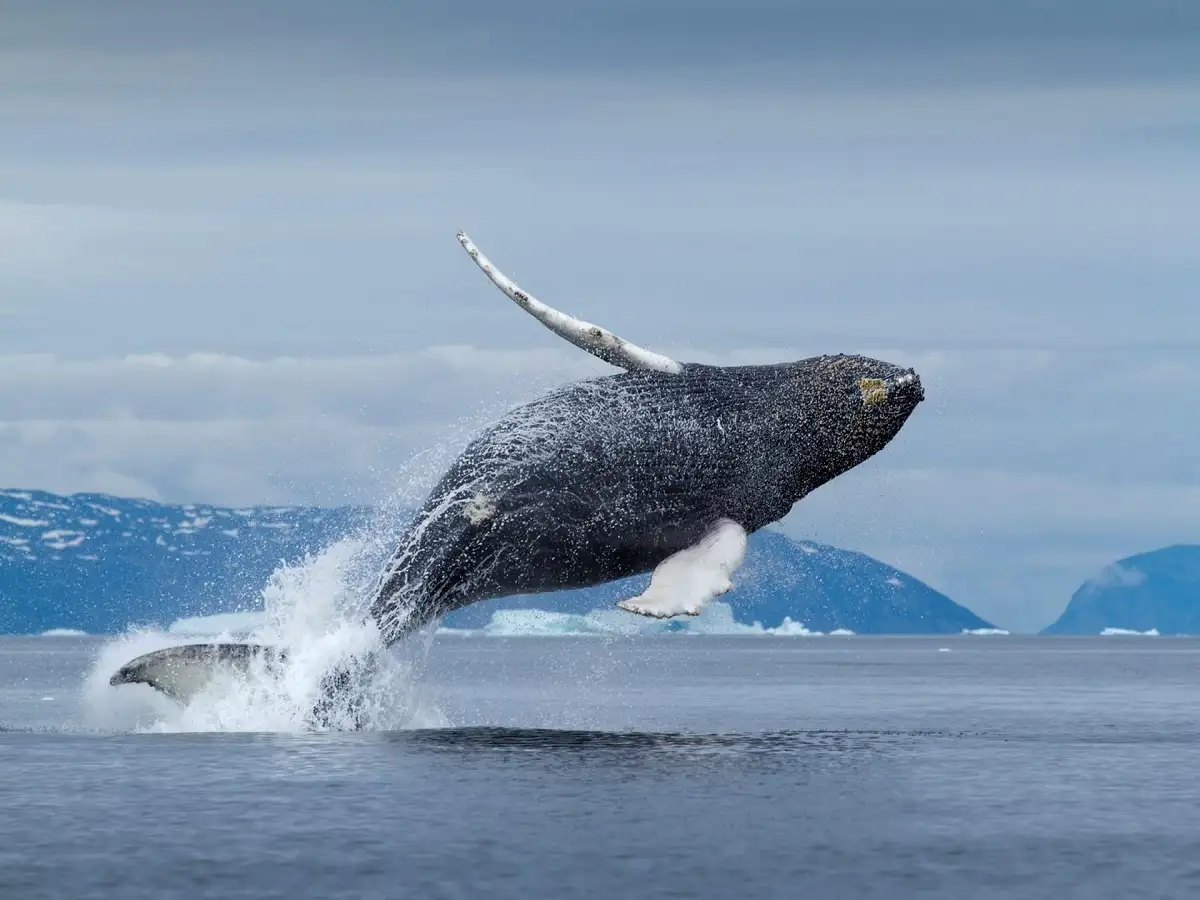
The animal kingdom is home to species with vastly different lifespans. While many animals live only a few years, others can survive for decades or even centuries. Among all known vertebrates, one species stands out for its extraordinary longevity—the Greenland shark.
Found in the icy waters of the Arctic and North Atlantic oceans, the Greenland shark has fascinated scientists because of its remarkably slow growth and exceptional lifespan. Research suggests that some individuals can live for more than 400 years, making it the longest-lived known vertebrate on Earth.
Here's what makes this mysterious deep-sea shark so unique.
Greenland Sharks Can Live for Centuries
The Greenland shark is believed to have one of the longest lifespans ever recorded among vertebrate animals.
According to scientific studies:
- Most Greenland sharks are estimated to live between 250 and 400 years.
- Some researchers believe certain individuals may exceed 400 years of age.
- Their unusually long lifespan has made them an important subject in ageing and marine biology research.
Because these sharks grow and mature very slowly, determining their exact age remains challenging.
Where Do Greenland Sharks Live?
Greenland sharks inhabit the cold, deep waters of the:
- Arctic Ocean
- North Atlantic Ocean
They are commonly found in regions surrounding Greenland, Iceland, Norway, and parts of Canada.
These sharks prefer extremely cold environments and spend much of their lives in deep ocean waters, where temperatures remain close to freezing.
One of the Slowest-Swimming Sharks
Unlike many shark species known for speed, the Greenland shark moves at a remarkably slow pace.
Its slow swimming helps:
- Conserve energy
- Adapt to cold-water environments
- Support survival in deep-sea habitats where food may be scarce
Despite their slow movement, Greenland sharks are capable predators and opportunistic scavengers.
Extremely Slow Growth Rate
Another unusual characteristic of the Greenland shark is its slow physical development.
Scientists estimate that:
- It grows by roughly 1 centimetre per year.
This slow growth is considered one of the factors that may contribute to its exceptional lifespan.
The species also reaches sexual maturity much later than most vertebrates, with some studies suggesting it may take well over a century before reproduction begins.
How Scientists Estimate Its Age
Unlike many fish, Greenland sharks do not have structures that clearly reveal their age.
Instead, researchers estimate their age by studying proteins found in the lens of the eye.
Because the proteins in the eye lens remain largely unchanged throughout the shark's lifetime, scientists can use radiocarbon dating techniques to estimate when the animal was born.
This method has provided evidence supporting the species' extraordinary longevity.
Slow Metabolism May Contribute to Longevity
Researchers believe one reason for the Greenland shark's long life is its exceptionally slow metabolism.
Living in near-freezing water naturally slows many biological processes, including:
- Growth
- Energy use
- Ageing-related changes
Although scientists continue to study the exact reasons behind its lifespan, cold-water adaptation and slow metabolism are considered important contributing factors.
Built for Life in Freezing Waters
The Greenland shark is specially adapted to survive in some of the harshest marine environments on Earth.
Its body functions efficiently in waters that remain just above freezing temperatures, allowing it to thrive where relatively few large predators can survive.
These adaptations have helped the species persist in Arctic ecosystems for centuries.
An Important Part of the Marine Ecosystem
The Greenland shark plays a significant ecological role as both a predator and a scavenger.
Its diet includes:
- Fish
- Seals
- Squid
- Carrion (dead marine animals)
By feeding on both live prey and animal remains, the species contributes to maintaining balance within deep-sea food webs.
Is the Greenland Shark the Longest-Lived Animal?
Although the Greenland shark is recognized as the longest-lived known vertebrate, it is not the longest-lived animal overall.
Some marine invertebrates, such as certain ocean quahog clams and glass sponges, are believed to survive for even longer periods. However, among animals with backbones, the Greenland shark currently holds the record based on available scientific evidence.
Final Thoughts
The Greenland shark remains one of the most remarkable creatures in the ocean. Its estimated lifespan of 250 to more than 400 years, combined with its slow growth, deep-sea habitat, and unique adaptations, has made it a subject of ongoing scientific research.
As researchers continue to study this ancient predator, the Greenland shark is helping scientists better understand ageing, longevity, and survival in some of Earth's most extreme environments.