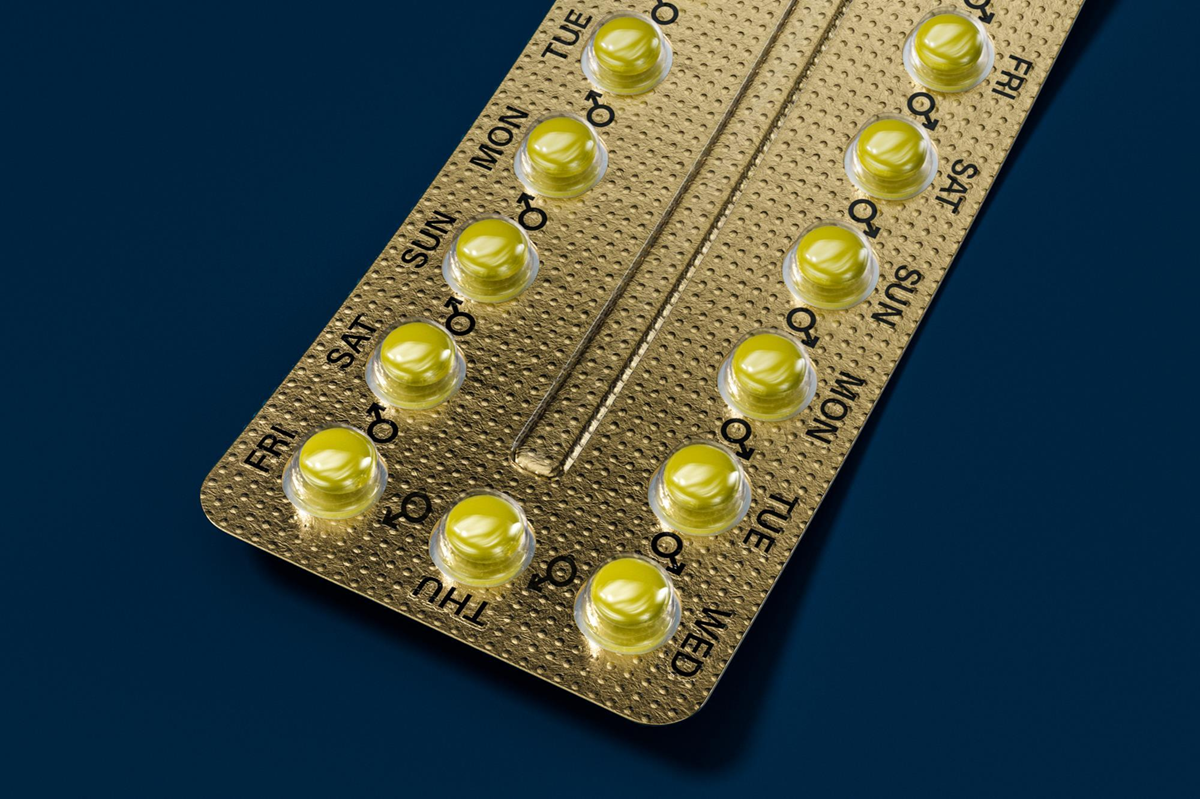
Contraceptive Method: Scientists at Weill Cornell Medicine are working on a male contraceptive pill that works by directly affecting sperm movement rather than altering hormones.

contraceptive pill for men
Male Birth Control Pill Research: Scientists are working on a male contraceptive pill that can be taken about 30 minutes before intercourse. This experimental pill could temporarily block sperm movement, potentially reducing the risk of pregnancy. However, the pill is still in the research phase and will need to undergo several necessary tests before it becomes available for general use.
Dr. Aruna Kalra, Obstetrics and Gynecology, Director of Academics, Robotic Gynecology, and Medical Advisor at CK Birla Hospital, Gurugram, explains that this type of contraceptive option for men could bring about a significant change in sharing the responsibility of contraception between both partners. However, it's important to understand its safety, effectiveness, and long-term effects before using it.
How will this male contraceptive pill work?
Scientists at Weill Cornell Medicine in the US are working on a male contraceptive pill that directly affects sperm movement, rather than altering hormones. In this research, the scientists focused on a specific enzyme in the body called soluble adenylate cyclase, or sAC. This enzyme is needed for sperm to move forward and reach the egg.
Experimental drugs work by temporarily blocking this enzyme. This prevents sperm from moving normally. This can reduce their ability to reach the egg and decrease the risk of pregnancy.
Do I have to take the pill about 30 minutes before physical relations?
The most significant feature of this male contraceptive pill is its method of use. Scientists are working on developing a drug that can be taken approximately 30 minutes before intercourse. Initial research has indicated that its effects last for approximately six to eight hours. This means that if this drug proves safe and effective in humans in the future, it may not need to be taken daily. It could be used as needed. However, this is only a possibility based on the results of preliminary research. The duration of its effects in humans will only be clear after clinical trials.
Will the pill stop sperm production?
No. The pill isn't intended to stop sperm production in men. Its purpose is to temporarily block or reduce sperm movement. This means that sperm may continue to be produced in the body even after taking the pill, but their ability to move may be affected while the drug is in effect. Normal sperm movement is expected to return after the drug wears off. This is why it will be crucial for scientists to determine whether male fertility returns to normal after the drug wears off.
What needs to be proven before testing on humans?
Safety is paramount before any new contraceptive drug is approved for general use. Initial experiments with this drug have been conducted on rats. Before its use in humans, numerous tests will be necessary. Scientists will need to assess the drug's effects on various organs in the body. They will also need to determine the appropriate dosage, onset time, and duration of action. It will also be important to determine whether repeated use of the drug causes any problems.
What will be the effect on fertility?
The most important question regarding male contraceptives is fertility. If the drug temporarily blocks sperm movement, scientists must prove that its effect is not permanent. Long-term monitoring will determine whether sperm return to normal capacity after the drug's effect wears off. It will also be necessary to determine whether long-term use has any lasting effects on male fertility.
Will it be effective in preventing pregnancy?
Just because a drug shows positive results in animals doesn't mean it will work the same way in humans. Clinical trials in humans will determine its true effectiveness. Scientists will need to monitor the pregnancy rate among men taking the pill, and whether the drug's effectiveness remains consistent across different populations.
Responsibility for contraception may change.
If this pill proves safe and effective, it could lead to a major change in the field of contraception. Currently, many contraceptive options are based on women's bodies and hormones. The number of options for men is quite limited. The introduction of such a pill could provide couples with another contraceptive option, and the responsibility could be shared between both partners.
However, this doesn't mean that the need for existing contraceptive methods for women will disappear. Each individual and couple's needs are different, and the right contraceptive method should be decided in consultation with a doctor.
The pill will not protect against sexually transmitted infections.
It's also important to understand that this male contraceptive pill is being developed solely to prevent pregnancy. It will not provide protection against sexually transmitted infections. Condom use will be necessary to prevent STIs. Currently, the pill is in the research and experimental phase. In October 2026, the research team received additional funding to advance toxicity and safety tests. After this, work can proceed toward initiating the first human trials.