
Prevent Flour Weevils: Sometimes tiny insects appear in flour containers, and there's a fear that the flour will spoil. Proper storage can help prevent these problems to a large extent.
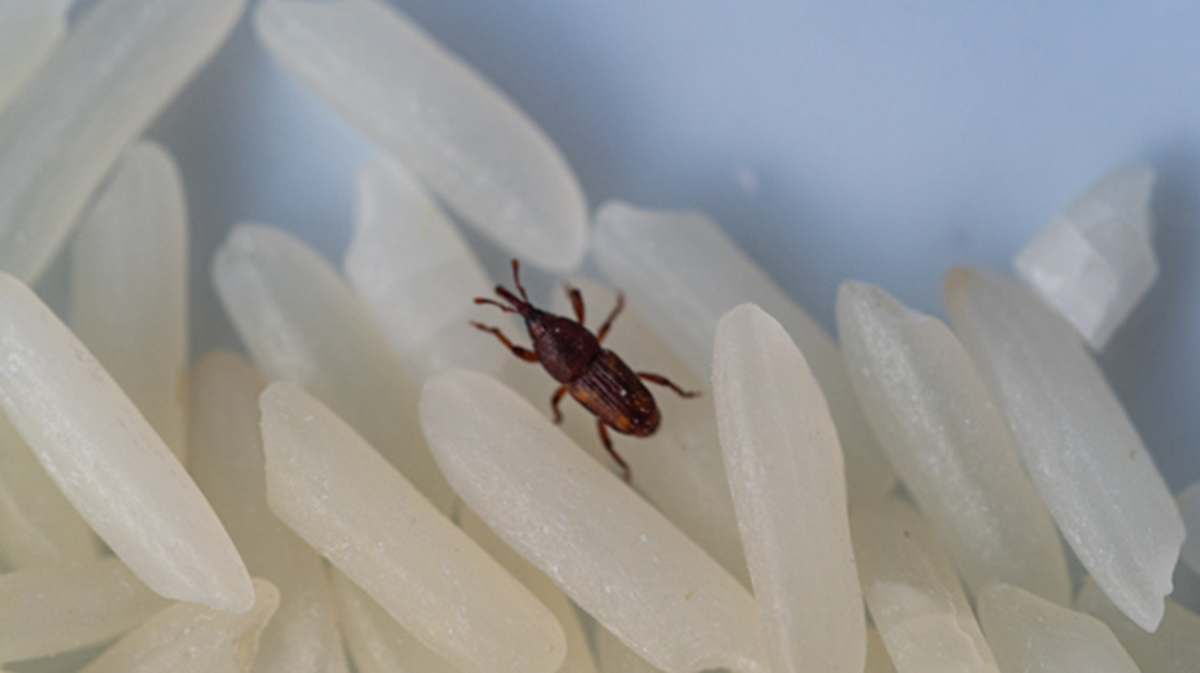
How to prevent wheat flour from getting infested with insects?
How to Store Wheat Flour to Prevent Bugs: Wheat flour is used daily in almost every Indian kitchen. It's always stocked in the home to make rotis, parathas, and a variety of other dishes. For convenience, people often buy large quantities of flour and use it for days or even months. However, if stored improperly, flour can become susceptible to insect infestation, moisture, or a change in odor.
Sometimes, tiny insects appear in flour containers, and there's a fear that the flour will spoil. Fortunately, these problems can be largely avoided by storing flour in the right place and in the right manner. The key is to store flour in a tightly sealed, airtight container rather than leaving it in open packaging.
Why do insects appear in flour?
Flour's quality can be affected if it's exposed to air, moisture, and heat for extended periods. Especially if the flour package is open or stored in a humid environment, it's more likely to spoil. Direct sunlight and excessive heat can also affect the freshness of flour. Therefore, simply purchasing flour isn't enough. Storing it is equally important. Proper storage can keep flour fresh longer and protect it from insects.
Store the flour immediately in an airtight container.
After purchasing flour, it's best to transfer it to a clean, tightly sealed, airtight container rather than storing it in the same paper packet for extended periods. This can be done using a food-grade plastic container or a glass jar. An airtight container helps protect the flour from outside air and moisture. It can also help keep insects and other pests away from flour. Before using the container, make sure it's clean and completely dry.
Where to keep the box is also important.
Once you've stored flour in an airtight container, leaving it anywhere is not a good idea. Store it somewhere cool, dry, and dark. A kitchen cupboard or pantry out of direct sunlight is a good place. Excessive heat can affect the quality of the flour, while humidity can make it soggy and sticky. Therefore, avoid storing the flour container near a sink or any place exposed to water or steam.
If you use less flour, keep it in the fridge.
If you're running low on flour at home or you've purchased a large amount at once, storing it in the refrigerator is an option. Flour stored in a properly airtight container can last a long time. When storing it in the refrigerator, be sure to keep it away from objects that may attract moisture. Exposure to moisture can cause the flour to clump and compromise its quality. Therefore, it's important to keep the container tightly closed.
The freezer is also an option for long term use.
If you use flour sparingly or buy flour in bulk, the freezer can also be used for long-term storage. When storing flour in the freezer, it's important to keep it in a tightly sealed container to prevent air and moisture from entering. Don't open the container immediately after removing the flour from the freezer. Let it cool to room temperature before opening. This can reduce the chance of external moisture coming into contact with the flour and causing it to become soggy.
How to identify stale flour?
If flour begins to smell rancid, sour, or musty, it should be avoided. Furthermore, if the flour appears moldy, discolored, or has unusual lumps, it's best to discard it. Different types of flour vary in shelf life. Some flours, like whole wheat flour, can last for several months when stored properly, while some specialty flours can spoil more quickly. Therefore, it may be more convenient to store less frequently used flour in a cool place or the freezer.