NEWS
What temperature should your refrigerator be set at in winter? Many people don't know the correct number.
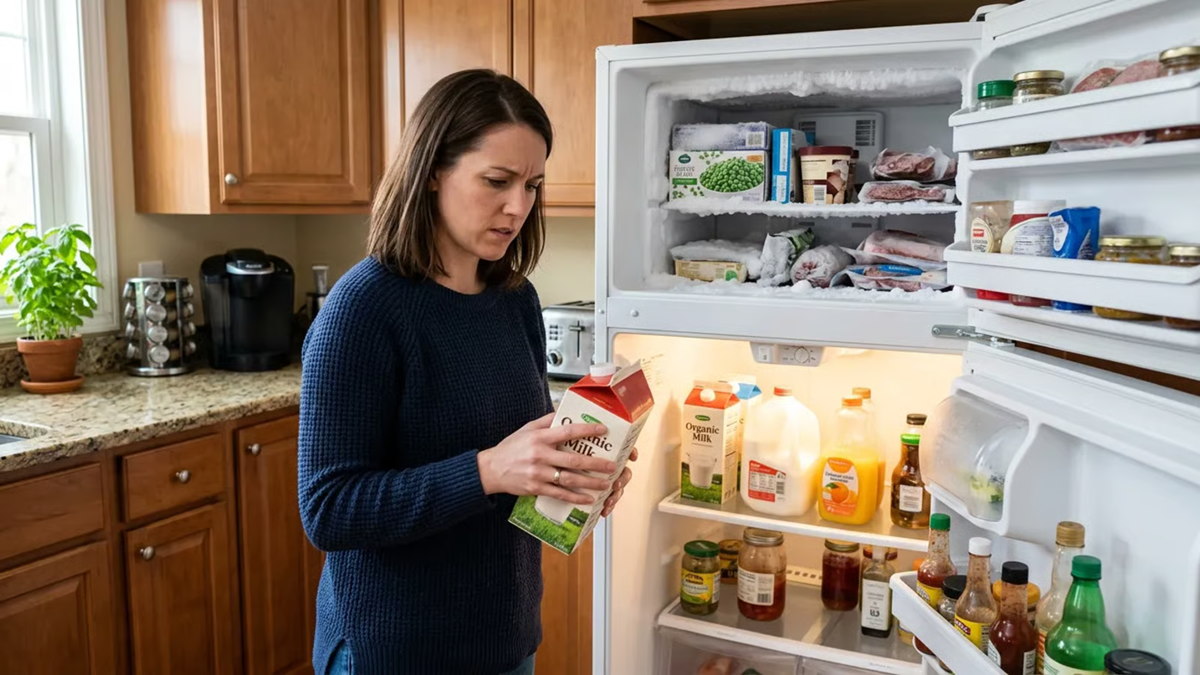
With the arrival of winter, the AC and coolers in the house are turned off, but the refrigerator remains running. Incorrect refrigerator temperatures in the cold not only spoil food but also increase electricity bills.
Refrigerator temperature in winter
A slight chill is beginning to settle in, and winter is slowly setting in. ACs and coolers are being turned off in homes, and the speed of fans has slowed. But there's one electronic appliance in our homes that we don't give a damn about, whether it's hot or cold, and it's constantly in use 24/7 throughout the year: our refrigerator. It's often seen that people set their refrigerator's cooling temperature to a higher temperature during the peak summer.
Even after winter arrives, we forget to change it. Many people don't even know what each dial on the refrigerator does. If the refrigerator isn't set to the correct setting during winter, it not only spoils the vegetables and food stored inside, but also increases electricity consumption unnecessarily. So, know the correct number to use during winter.
How many degrees should the refrigerator be set in winter?
There are two types of refrigerators available in the market these days: one with a round dial numbered 1 to 5 or 7 to control the temperature, and the other with a modern digital display, which shows the temperature in degrees Celsius. If you have a refrigerator with a numbered regulator, first understand that the lower the number, the slower the cooling, and the higher the number, the faster the cooling.
In winter, the outside temperature is already low, so it's best to keep the refrigerator dial at 1 or 2. If you have a smart refrigerator with a digital panel, set the temperature between 3 and 4 degrees Celsius during the cold season. Furthermore, keeping the freezer temperature between minus 15 and minus 18 degrees Celsius is sufficient.
Running the refrigerator on the wrong setting can cause damage.
During the summer, we run our refrigerators at 4 or 5 to cool water and food quickly. However, if the refrigerator continues to run at this high setting even in winter, it can cause many problems. The biggest problem is that excessive cooling can cause green vegetables, fruits, and cooked foods to freeze, robbing them of both their natural flavor and nutrients.
Sometimes, even milk and yogurt become covered in ice. Furthermore, a mountain of ice forms in the freezer of single-door refrigerators, requiring frequent defrosting. Keeping the refrigerator on a high cooling setting causes the refrigerator compressor to run unnecessarily. This not only results in a higher monthly electricity bill but also puts the compressor at risk of early failure.
Avoid these mistakes while operating your refrigerator in cold weather.
A common mistake many people make during the winter is to turn off the refrigerator's main switch for a few hours each day or overnight in an attempt to save electricity. This causes the temperature inside the refrigerator to fluctuate frequently, leading to moisture and bacterial growth in the food. It also causes a strange odor to emanate from the refrigerator, and when turned back on, the compressor draws twice as much power.
Therefore, instead of turning off the refrigerator, always keep it on setting 1. If it has winter mode, turn it on. Furthermore, in winter, people often put hot food or boiled milk directly into the refrigerator, which impairs the internal cooling and increases the load on the machine. Allow any hot item to cool to room temperature first, before covering and storing it in the refrigerator.