NEWS
What is Retro GST? Why is the government collecting 10 years' worth of tax dues from online gaming companies?
Retro GST: The government has imposed a retro tax on online gaming companies. The matter has now reached the court. So, let's understand what the retro tax is and what the impact of this tax will be.
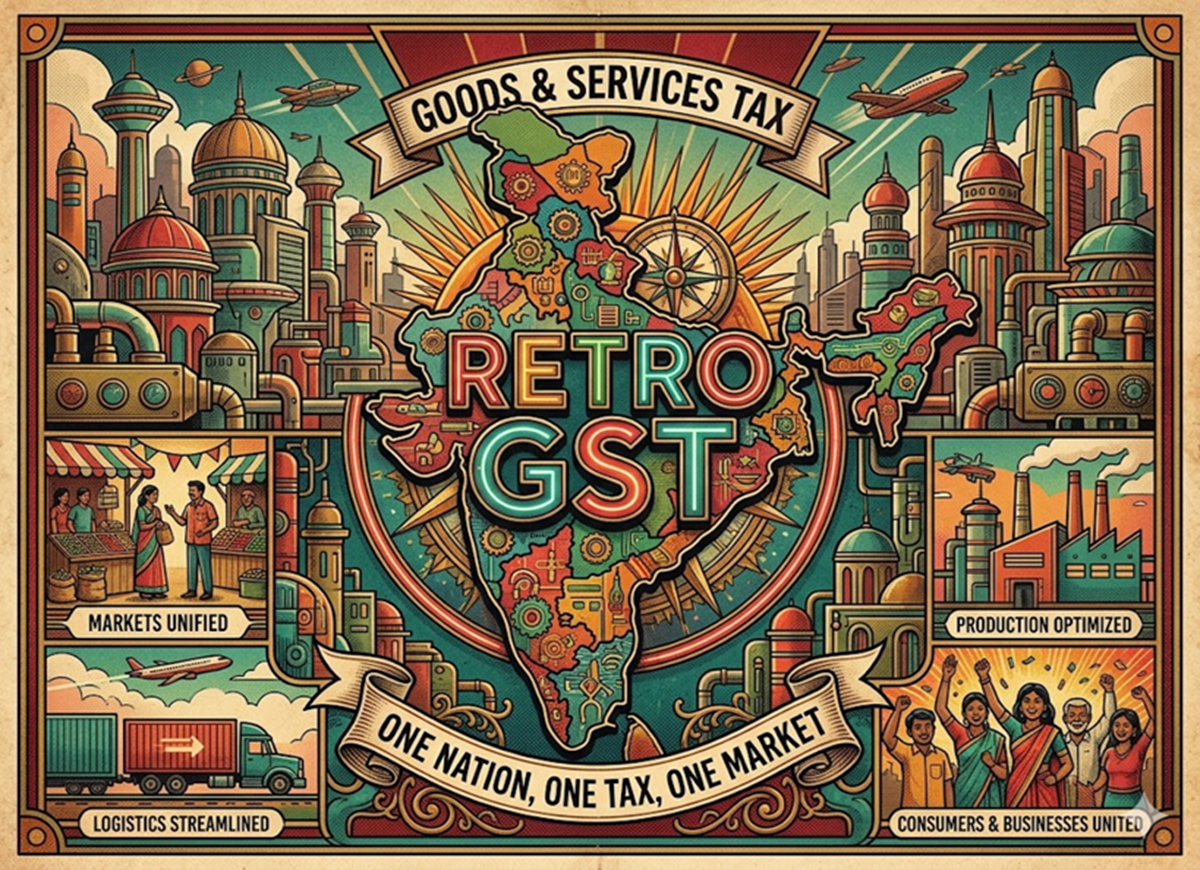
Why is the government demanding 10 years' worth of taxes from online gaming companies?
Retro GST: There's a lot of discussion going on in the country these days about Retro GST. Online gaming companies, in particular, are openly questioning the government regarding this issue. The issue involves taxes worth thousands of crores of rupees and could impact the entire online gaming sector. The government is demanding GST dues from some gaming companies for several years. Companies say that suddenly imposing such a large tax based on old rules is unfair. This is why the term Retro GST has come into discussion.
What is retro GST after all?
Retrograde GST refers to applying taxes to businesses from earlier periods or collecting taxes on old transactions using a new method. This means that if a company followed certain rules in 2018 or 2019, but the government later claims it should have paid higher taxes then, it may be required to pay the outstanding taxes from previous years.
Why did the case arise against online gaming companies?
The government argues that online gaming platforms should have paid GST on the entire contest account, not just their commission or fees. This means that if a gaming app ran a contest for ₹100, the tax would be levied on the entire ₹100, not just the company's earnings. This is where the controversy began. Until now, many companies were paying 18% GST only on the platform fee. However, the government claims they should have paid 28% GST on the entire account. This is why many companies have been sent tax notices totaling thousands of crores of rupees.
How many years old tax is being demanded?
According to reports, the government is demanding up to 10 years of tax from some companies. This means that old transactions are being investigated, interest and penalties are being added, and the total amount is reaching thousands of crores. Companies are claiming that this has become a case of retro taxation.
What is the problem with the companies?
Online gaming companies say the rules were not completely clear in the past. The industry has been paying GST in different ways for a long time. Suddenly demanding such a large tax for past years is unfair. They also say that if such a high tax is required, many startups could shut down.
What is the government saying?
The government's stance is clear: online real money gaming will be treated like betting and gambling, and therefore will be subject to a 28% GST. The GST Council has already taken a decision on this matter. The government maintains that tax evasion will be prevented, and all companies must comply with the rules.
What impact will this have on the common people?
If gaming companies face a significant tax burden, it could directly impact users. Entry fees could increase, winnings could decrease, and many offers and cashbacks could be discontinued. Some smaller companies could even exit the market. However, the matter has now reached the court. Several online gaming companies have approached the court regarding this matter. They argue that the government cannot impose heavy taxes by interpreting old rules differently. All eyes are now on the court and the GST Council's next decision.