weather forecast
Weather Alert October 28: Cyclone Arnab Brings Heavy Rain, Strong Winds; Check State-Wise Forecast
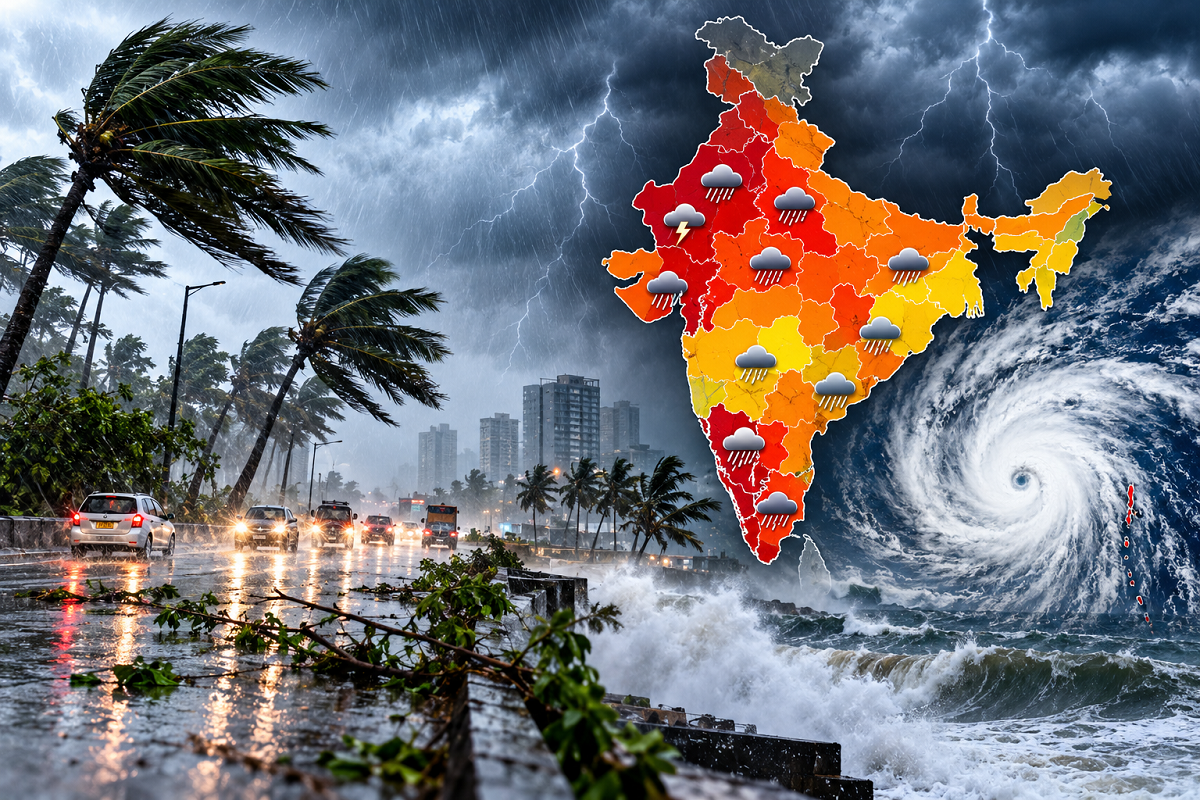
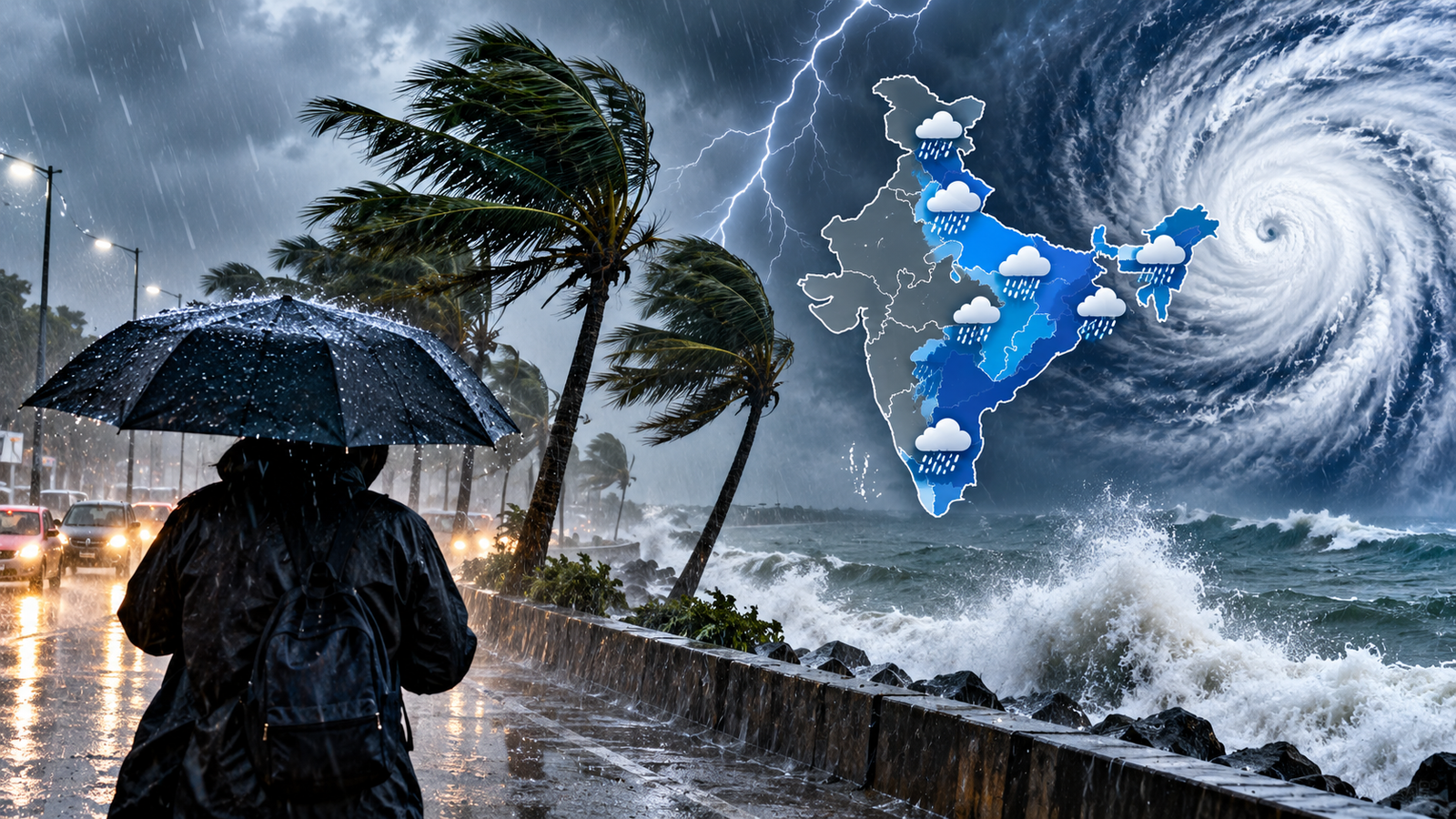
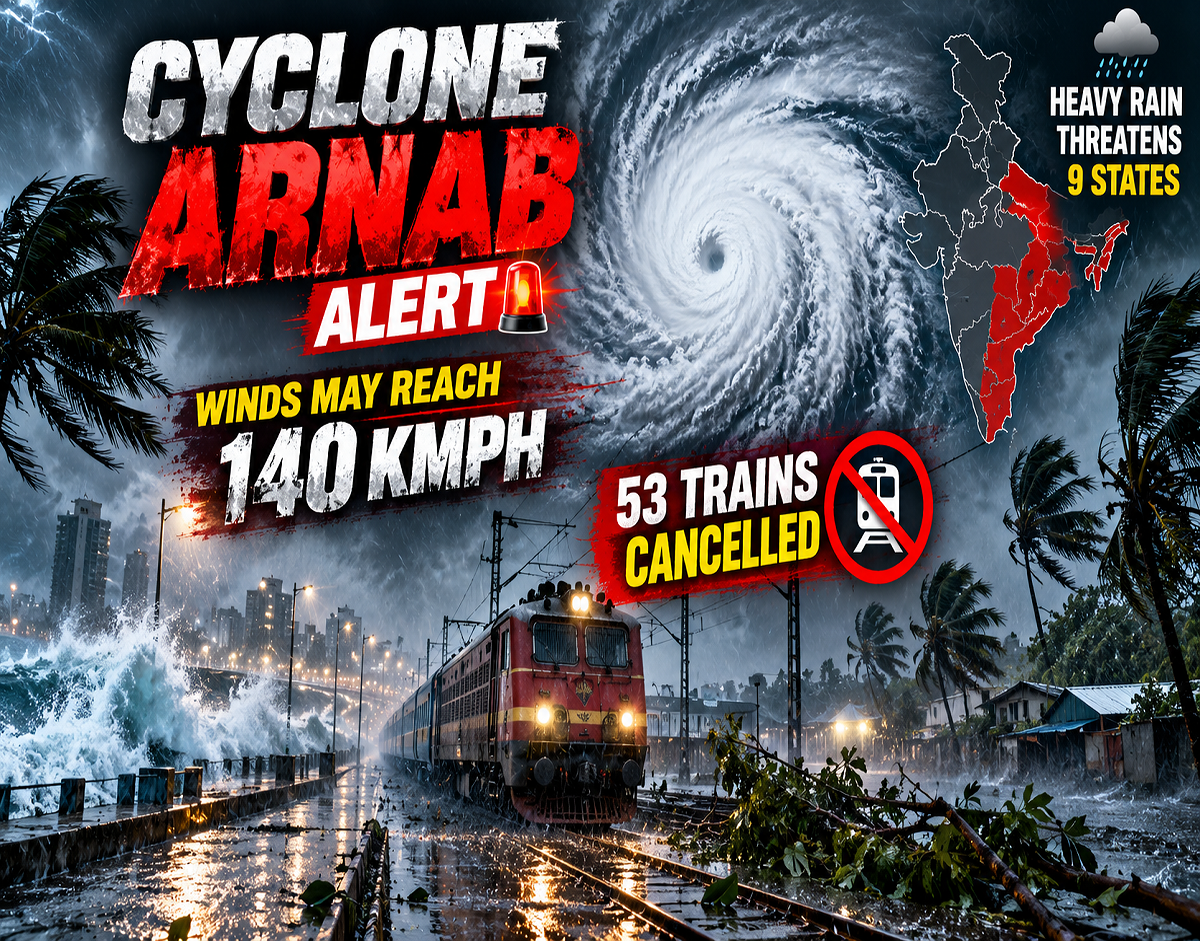
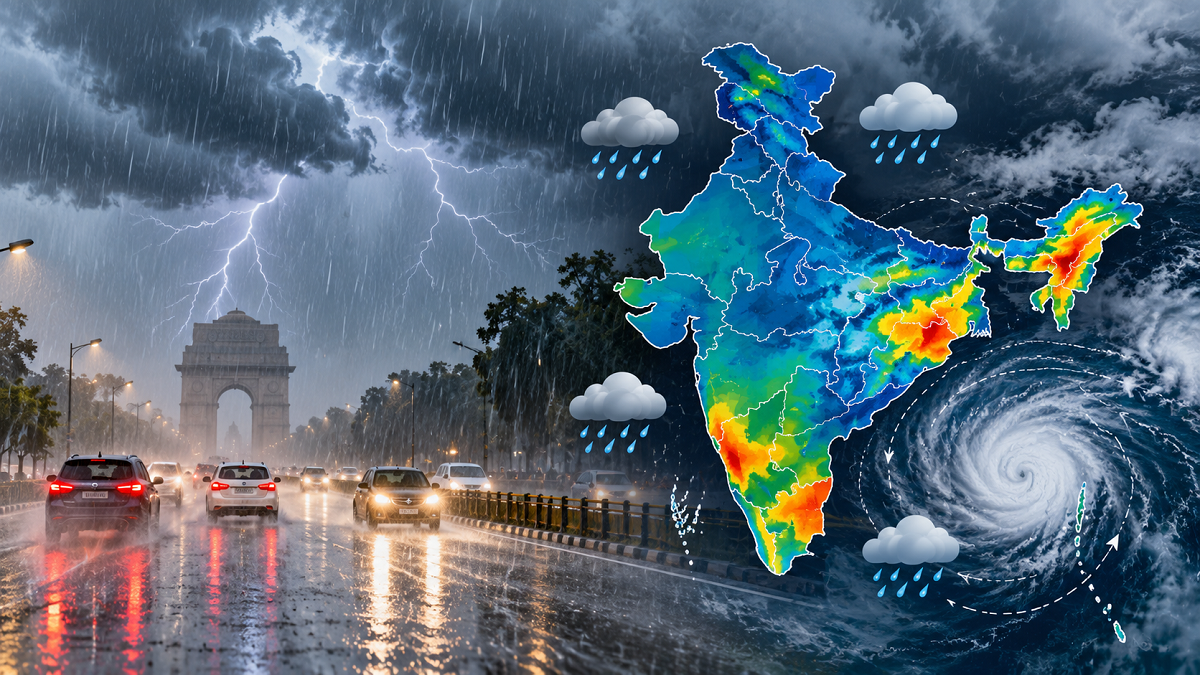
IMD Weather Update, October 28, 2026: Several parts of India are facing unsettled weather, with heavy rainfall, thunderstorms and strong winds expected in different regions. Cyclone Arnab has crossed the Andhra Pradesh and Yanam coast, while rain warnings have also been issued for parts of eastern and central India.
According to the India Meteorological Department (IMD), Cyclone Arnab crossed the coast between Bapatla and Visakhapatnam, southwest of Yanam, during the early hours of October 28.
The storm brought powerful winds and raised concerns about flooding, coastal damage and disruption to transport services.
Meanwhile, changing weather conditions are also being reported in parts of northern India, including Delhi and Uttar Pradesh.
People planning to travel over the next few days should check the latest official weather forecasts before leaving home.
Cyclone Arnab Crosses Andhra Pradesh Coast
Cyclone Arnab made landfall along the Andhra Pradesh and Yanam coast between 2 AM and 8 AM on Wednesday, October 28.
According to the IMD's October 28 sea-area bulletin, the cyclone crossed the coast as a very severe cyclonic storm, with maximum sustained wind speeds of approximately 125–135 kmph and gusts reaching 150 kmph.
The landfall process was completed by around 8 AM.
The weather system subsequently weakened into a severe cyclonic storm and was expected to weaken further while moving inland.
However, heavy rainfall and strong winds can continue even after a cyclone crosses the coast.
Residents of vulnerable areas should follow instructions issued by district administrations and disaster management authorities.
Andhra Pradesh Weather: Extremely Heavy Rain Warning
Coastal Andhra Pradesh remains one of the most affected regions.
The IMD's October 28 subdivision forecast indicates extremely heavy rainfall in parts of coastal Andhra Pradesh, along with strong surface winds.
Thunderstorms, lightning and squally weather are also possible in affected areas over the following days.
Districts including Kakinada, East Godavari, West Godavari, Krishna, Eluru and Visakhapatnam have been among the areas facing cyclone-related risks.
Heavy rainfall may lead to waterlogging, flooding of low-lying areas and disruption of road transport.
Residents should avoid unnecessary travel through flooded locations and follow evacuation instructions wherever issued.
Odisha Weather: Heavy Rain and Strong Winds Expected
Odisha is another state facing significant rainfall risks due to Cyclone Arnab.
Heavy to extremely heavy rainfall has been forecast in parts of the state during the cyclone's influence.
Southern and coastal districts may experience particularly difficult weather conditions.
Areas including Ganjam, Gajapati, Rayagada, Koraput and Malkangiri have featured in cyclone-related rainfall warnings.
Strong winds and persistent rainfall may affect transport, electricity supply and outdoor activities.
Residents should remain alert to local warnings, especially in low-lying and flood-prone areas.
Delhi Weather Update: Possibility of Rain and Thunderstorms
The weather report also indicates the possibility of changing conditions in Delhi and nearby areas during October 28–29.
Some locations may experience cloud cover, rain or thunderstorms under the influence of weather systems affecting northern India.
A western disturbance may contribute to unsettled weather in parts of the region.
However, the intensity and timing of rainfall can differ considerably between locations.
Claims about hailstorms or particularly strong winds should be checked against the latest Delhi-specific IMD bulletin.
People travelling during thunderstorms should avoid exposed locations and monitor official warnings.
Uttar Pradesh Weather: Rain Alert for Several Districts
Weather conditions may also change across parts of Uttar Pradesh between October 28 and 30.
The supplied regional report identifies several districts where rain, thunderstorms or gusty winds may occur.
In western Uttar Pradesh, these include Ghaziabad, Meerut, Saharanpur, Muzaffarnagar, Aligarh, Bulandshahr and Agra.
Other districts mentioned include Lucknow, Kanpur, Hardoi, Mathura, Prayagraj, Jhansi, Gorakhpur and Deoria.
Separately, forecasts associated with Cyclone Arnab indicate a risk of heavy rainfall in eastern Uttar Pradesh around October 29–30.
The weather impact will not necessarily be the same across all districts.
Residents should check the latest district-level forecast before making travel plans.
Rajasthan Weather: Jaipur and Other Districts May See Changing Conditions
The regional weather report also mentions possible unsettled weather in parts of Rajasthan.
Districts identified include Jaipur, Udaipur, Chittorgarh, Tonk, Bundi and Pratapgarh.
Rainfall and thunderstorms are among the conditions described in the report.
However, the claim of wind speeds reaching 60–70 kmph in these districts has not been independently confirmed through a district-specific IMD warning.
Residents should therefore avoid assuming that every listed district will experience severe weather.
Anyone planning outdoor activities should consult the latest Rajasthan Meteorological Centre updates.
Loose objects kept on rooftops, balconies and open terraces should be secured when strong winds are forecast.
Bihar, Jharkhand and Chhattisgarh Weather Update
Cyclone-related weather conditions may extend beyond coastal states.
Rainfall forecasts for the period around October 28–30 include parts of Bihar, Jharkhand and Chhattisgarh.
Chhattisgarh faces a risk of very heavy to extremely heavy rainfall in isolated locations.
Jharkhand may also experience significant rainfall, while parts of Bihar could receive heavy showers during October 29–30.
Such weather conditions may increase the risk of waterlogging, reduced visibility and disruption to road travel.
Residents should follow local advisories rather than relying on statewide headlines alone.
What Does a Heavy Rain Warning Mean?
Weather warnings are issued to help people understand the possible severity of upcoming conditions.
The IMD uses different warning categories depending on the expected weather and potential impact.
Rainfall intensity can vary significantly within a state or even between neighbouring districts.
A warning for isolated extremely heavy rainfall does not mean that every location in the state will receive the same amount of rain.
Similarly, strong winds forecast near a cyclone's centre should not be confused with wind speeds expected hundreds of kilometres away.
This distinction is important when interpreting regional weather reports.
Important Safety Tips During Heavy Rain and Thunderstorms
People living in areas affected by severe weather should take basic precautions.
- Check official IMD and district administration warnings before travelling.
- Avoid standing beneath trees, electric poles or temporary structures during thunderstorms.
- Do not drive through flooded roads or waterlogged underpasses.
- Keep mobile phones charged and essential emergency supplies accessible.
- Secure loose outdoor objects when strong winds are expected.
- Follow evacuation instructions issued by local authorities.
- Fishermen should comply with official marine warnings and restrictions.
People living near rivers, coastal areas or flood-prone locations should pay particular attention to local alerts.
Where to Check the Latest IMD Weather Forecast
Weather conditions can change quickly, especially during cyclones and thunderstorms.
For accurate and updated information, residents should consult official sources.
IMD Official Website: https://mausam.imd.gov.in/
IMD Cyclone Warning Updates: https://rsmcnewdelhi.imd.gov.in/
These platforms provide weather bulletins, cyclone information and regional warnings.
Travellers should also monitor railway, airline and road transport advisories when severe weather affects their routes.
Final Words
Cyclone Arnab has brought dangerous weather conditions to parts of coastal Andhra Pradesh and neighbouring regions.
The IMD has confirmed the cyclone's landfall on October 28, with strong winds and heavy rainfall affecting vulnerable areas.
Rainfall warnings also extend to several parts of eastern and central India, while some northern regions may experience unsettled weather.
The most important precaution is to check the latest district-specific IMD warning before travelling or planning outdoor activities.
Residents should avoid relying on unverified claims about the exact number of affected states or wind speeds in individual districts.
Disclaimer: Weather forecasts and warnings are time-sensitive. The information above reflects reports available on October 28, 2026. Check official IMD bulletins for subsequent updates.