Wall Painting Tips: The most common cause is moisture. Water seepage from exterior walls during rain, leaks in pipes or the roof, and excess moisture in the bathroom or kitchen can all cause the wall to become inflamed.
Causes of plaster and paint peeling off from the wall
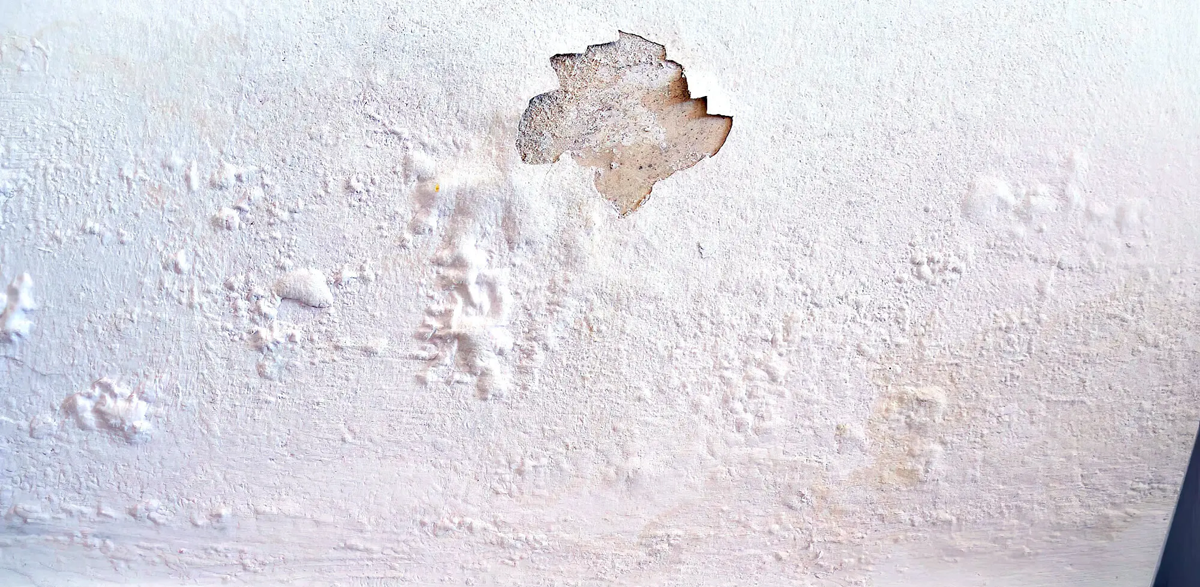
How To Fix Flaking Wall Plaster At Home: If the paint or plaster on a wall gradually begins to peel off, peel off in places, or bubbles appear beneath the layer, it's not right to consider it merely an aesthetic problem. Sometimes, deterioration of the wall's upper layer is a sign of a deeper underlying problem. In such a situation, simply applying new paint over it isn't a permanent solution. It's important to first determine why the plaster or paint is peeling.
What could be the reason for plaster falling off?
There are many reasons why plaster or paint can peel off a wall. The most common cause is moisture. Water leaks from exterior walls during rain, leaks in pipes or the roof, and excessive humidity in the bathroom or kitchen can all cause the wall to penetrate. When this moisture becomes trapped beneath the paint or plaster, the bond between the two weakens. This can then lead to swelling, peeling, and gradual flaking.
Additionally, if the wall isn't properly cleaned, sanded, or primed before painting, the new coat may not adhere properly. Dust, grease, and old, peeling paint can also weaken the new coating's adhesion. Using poor quality paint, applying too thick a layer, or painting over a wet wall can also cause problems over time.
If you see these signs on the wall, pay attention.
There are often some subtle signs before a wall begins to deteriorate. Small bubbles forming under the paint, fine cracks in the plaster, signs of moisture or discoloration on the wall, and a musty smell are signs that shouldn't be ignored. If the cause is identified early, major repairs can be avoided.
Check this before painting over the top.
First, inspect the wall carefully to determine if there's any moisture or water leaks. If there's a leak in a pipe behind the wall, water coming in from the roof, or rainwater seeping in from the exterior wall, it's important to fix that problem first. Similarly, if there's persistent moisture in the bathroom or kitchen, check the ventilation there. Painting the surface may temporarily conceal the stains, but the underlying problem remains, and the paint may peel again.
Remove damaged plaster and paint first.
If the wall layer is already peeling, don't paint directly over it. Carefully remove loose paint and flaking plaster using a scraper or putty knife. Try to completely remove any loose or weak layers, exposing a solid surface underneath. Cracks, pits, or uneven areas can then be repaired with a good-quality wall filler or cement mix. Waterproofing compounds can also be used if needed for walls affected by moisture.
It is necessary to level the surface
Don't paint the wall immediately after repairing it. First, let the filler or repair material dry thoroughly. Once dry, sand the area to make it even with the surrounding wall. This will prevent the repaired area from appearing prominent after painting.
Paint only after priming
After the surface is prepared, it's important to apply a primer. Primer helps the new paint coat adhere better to the wall and seals the repaired area. Only then should a high-quality paint be applied. If the wall is in a kitchen, bathroom, or exterior area where moisture is more likely, it's best to choose a moisture- or water-resistant paint suitable for the area.
What should be done to prevent the plaster from falling off again?
To avoid this problem in the future, prevent moisture from accumulating in the walls. Use exhaust fans in the kitchen and bathroom, and promptly repair any leaks in the pipes or roof. Considering the impact of rain and weather on exterior walls, proper waterproofing and weather -resistant coatings can also be helpful. Inspect walls periodically, especially after rain. Addressing small cracks, bubbles, or signs of dampness early can help prevent the problem from becoming larger.