LIFESTYLE
Vitamin E Capsules for Face: Do They Really Improve Skin? Know the Benefits and Possible Risks
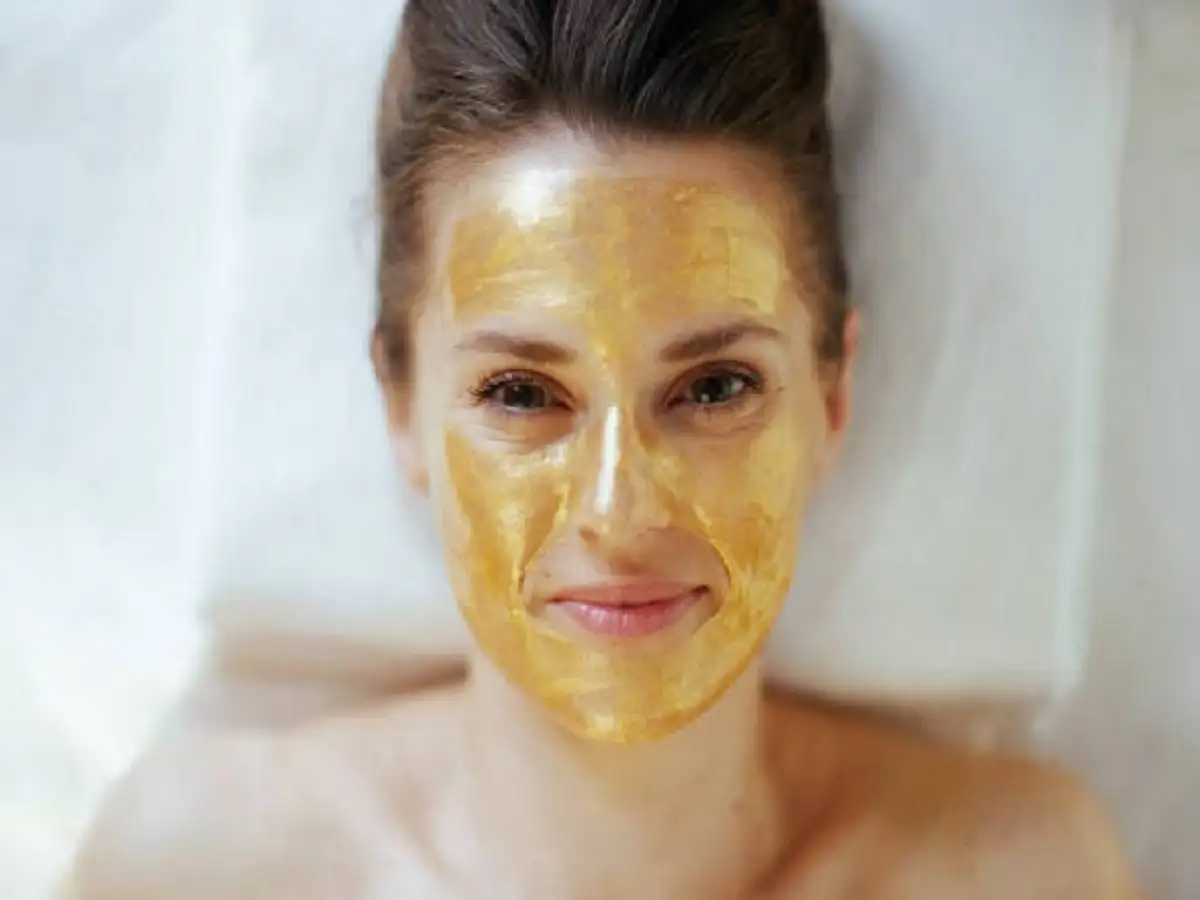
Healthy, soft and glowing skin is something many people aim for, and social media is filled with home remedies promising quick results. One popular beauty hack involves cutting open a Vitamin E capsule and applying the oil-like contents directly to the face. Supporters of this method often claim that it moisturises dry skin and gives the face a natural-looking glow.
Vitamin E itself is widely used in cosmetic and skincare formulations. However, that does not necessarily mean a Vitamin E capsule intended as a supplement should be opened and applied directly to facial skin.
Skin type, product formulation and individual sensitivity can all influence how the skin reacts. For some people, directly applying the contents of a Vitamin E capsule may actually cause irritation, breakouts or other unwanted reactions.
Here is what you should understand before making this viral skincare trick part of your daily routine.
Is Vitamin E Good for Your Skin?
Vitamin E is an antioxidant and is included in many skincare products. It may help support the skin barrier and reduce moisture loss when used in appropriately formulated topical products.
However, there is an important difference between using a professionally formulated Vitamin E skincare product and opening an oral supplement capsule and spreading its contents across the face.
Creams, lotions and moisturisers designed for topical use are developed with specific concentrations and combinations of ingredients. Their formulations are intended to help the product spread properly, remain stable and work appropriately when applied to the skin.
The contents of an oral Vitamin E capsule are not necessarily formulated for direct facial application.
Why Applying a Vitamin E Capsule Directly May Not Be Ideal
The idea of opening a capsule and applying its contents to the face may appear simple, but everyone's skin responds differently.
Vitamin E from a capsule can have a thick and oily texture. For people with naturally oily or acne-prone skin, applying such a product directly to the face may feel heavy and could potentially contribute to clogged pores or breakouts.
People with sensitive skin may also experience irritation after trying a new topical substance.
Therefore, a method that appears to work for one person on social media may not necessarily produce the same results for someone else.
Possible Side Effects of Vitamin E on the Face
Direct topical use of Vitamin E may cause unwanted effects in some people. These can include redness, itching or irritation, particularly among those with sensitive skin.
Some users may find the capsule contents excessively greasy or uncomfortable. Those prone to acne may also notice worsening breakouts depending on how their skin responds.
Contact dermatitis or other skin reactions are also possible in susceptible individuals.
Anyone who develops significant redness, swelling, itching or another persistent reaction after using a product should stop using it and consider seeking advice from a dermatologist or other qualified healthcare professional.
Does Vitamin E Make Your Face Glow?
Vitamin E-containing products can help moisturise the skin, and well-hydrated skin may appear smoother and healthier. This is one reason Vitamin E is commonly found in creams, lotions and other cosmetic products.
But applying the contents of a capsule directly to the face does not guarantee brighter or clearer skin.
Skin appearance is influenced by many factors, including hydration, sun exposure, sleep, diet, genetics, existing skin conditions and the products being used.
For this reason, Vitamin E should not be considered a guaranteed shortcut to glowing skin.
What Is a Better Way to Use Vitamin E in Skincare?
If you want to introduce Vitamin E into your skincare routine, choosing a product specifically formulated for topical use is generally more appropriate than opening an oral supplement capsule.
Vitamin E can be found in moisturisers, creams, serums and other skincare products. The best option will depend on your individual skin type and concerns.
Someone with dry skin, for example, may have different skincare needs from a person who frequently experiences acne or excessive oiliness.
Before applying any unfamiliar skincare product extensively, a small patch test can help identify possible irritation, although it cannot guarantee that a reaction will never occur.
People with eczema, persistent acne, allergies or other existing skin conditions may benefit from consulting a dermatologist before introducing new active products.
Should You Take Vitamin E Capsules for Better Skin?
Vitamin E supplements should not automatically be taken simply because someone wants healthier-looking skin.
Most people can obtain Vitamin E through foods as part of a balanced diet, and supplements are not necessary for everyone. Taking high doses of Vitamin E can also carry health risks and may interact with certain medicines.
Therefore, anyone considering Vitamin E supplements should speak with a doctor or another qualified healthcare professional, particularly if they have an existing medical condition or regularly take medication.
The Bottom Line
Vitamin E can be a useful ingredient in skincare, especially when included in products specifically designed for the skin. However, opening a Vitamin E supplement capsule and applying its contents directly to the face is not automatically safer or more effective.
People with oily, acne-prone or sensitive skin may be particularly cautious because thick Vitamin E preparations can cause discomfort or unwanted skin reactions in some individuals.
Instead of relying on viral DIY skincare hacks, choosing properly formulated products suited to your skin type—and seeking professional advice when dealing with persistent skin problems—is a safer approach to building an effective skincare routine.