A well-planned vegetarian diet can provide most of the nutrients the body needs and can be part of a healthy lifestyle. However, simply avoiding meat does not automatically make a diet nutritionally complete. If meals lack variety or depend heavily on refined and highly processed foods, some nutrients may be harder to obtain in adequate amounts.
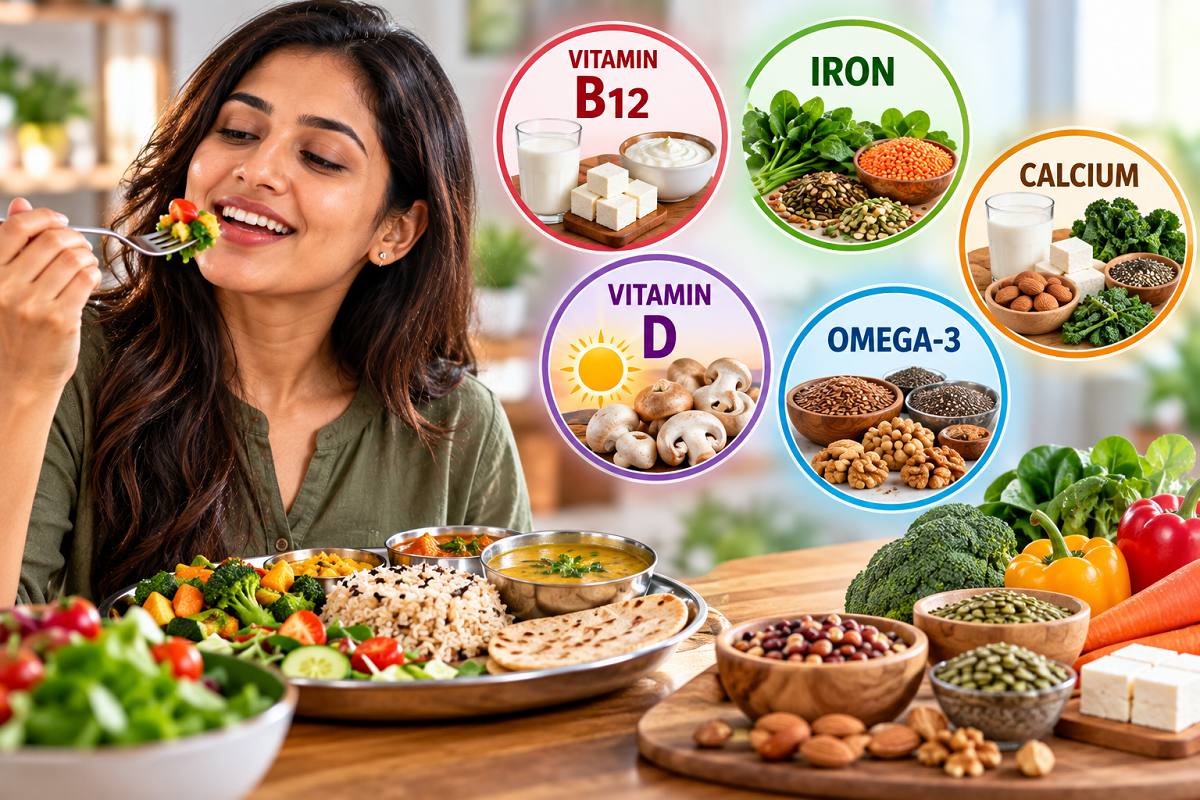
Vitamin B12, iron, protein, calcium and omega-3 fatty acids are among the nutrients vegetarians may need to pay particular attention to. The actual risk of deficiency varies considerably depending on whether a person consumes dairy or eggs, their age, overall diet, medical conditions and other individual factors.
This does not mean every vegetarian will develop a deficiency. The key is to plan meals carefully, include diverse food groups and seek professional advice when symptoms or blood tests suggest a nutritional problem.
1. Vitamin B12 Deserves Special Attention
Vitamin B12 is important for normal red blood cell formation and neurological function. It deserves particular attention in vegetarian and especially vegan diets because naturally occurring B12 is found primarily in animal-derived foods.
People who consume milk, yogurt, paneer or eggs may obtain some B12 from their diet, but the amount may not always be sufficient for everyone.
Possible symptoms of B12 deficiency can include tiredness, weakness and, in some cases, numbness or tingling in the hands and feet. A prolonged or severe deficiency can affect the nervous system and blood-cell production.
Vegetarians can consider appropriately fortified foods, while vegans generally need a reliable B12 source through fortified foods or supplementation.
However, supplement requirements and doses should ideally be discussed with a doctor or qualified dietitian, particularly when a deficiency has already been identified.
2. Iron Intake Is Important for Healthy Blood
Iron plays an essential role in producing hemoglobin, the protein in red blood cells responsible for transporting oxygen around the body.
Insufficient iron can contribute to iron-deficiency anemia. Symptoms may include fatigue, weakness, dizziness and shortness of breath, although these symptoms can have many other causes as well.
Vegetarian sources of iron include lentils, chickpeas, kidney beans, soy foods, seeds and certain green leafy vegetables.
The iron found in plant foods is generally absorbed differently from the heme iron present in meat. Pairing plant-based iron sources with vitamin C-rich foods can improve absorption.
For example, lentils or beans can be combined with foods such as tomatoes, amla, guava, citrus fruits or other vitamin C-containing options.
Low hemoglobin does not always mean iron deficiency, however. Anyone with an abnormal blood report should seek medical advice rather than automatically starting iron tablets.
3. Make Sure You're Getting Enough Protein
Protein is needed for maintaining muscles and tissues and supporting many normal processes within the body.
A common misconception is that vegetarian diets cannot provide enough protein. In reality, adequate protein can usually be obtained from a varied vegetarian diet when suitable foods are consumed in sufficient quantities.
Useful vegetarian protein sources include:
- Lentils and dals
- Chickpeas
- Rajma and other beans
- Soybeans, tofu and other soy products
- Milk and yogurt or curd
- Paneer
- Nuts and seeds
People who eat eggs can also include them as another source of high-quality protein.
Individual protein requirements vary according to factors such as age, body size, physical activity, pregnancy and health status. Athletes and people with particular medical or nutritional needs may require individual dietary guidance.
4. Don't Overlook Calcium and Vitamin D
Calcium is essential for normal bones and teeth and also contributes to muscle and nerve function.
Vegetarians who consume dairy products can obtain calcium from foods such as milk, yogurt and paneer.
Other options can include ragi, sesame seeds, certain green vegetables, calcium-set tofu and appropriately fortified foods or plant-based drinks.
However, calcium is only one part of maintaining bone health. Vitamin D is also important because it helps the body absorb and use calcium.
Vitamin D can be difficult to obtain from food alone, regardless of whether someone follows a vegetarian or non-vegetarian diet. Individual vitamin D status can also be affected by sun exposure and other factors.
People found to have a deficiency should follow medical advice regarding treatment rather than taking high-dose supplements on their own.
5. Include Plant Sources of Omega-3 Fatty Acids
Omega-3 fatty acids play several roles in the body and are associated with normal cardiovascular and neurological function.
Vegetarian foods such as flaxseeds, chia seeds and walnuts provide alpha-linolenic acid (ALA), a type of omega-3 fatty acid.
The body can convert some ALA into the longer-chain omega-3 fats EPA and DHA, but this conversion is limited.
People following a vegan or vegetarian diet who are concerned about EPA and DHA intake can discuss appropriate options, including algae-derived sources, with a healthcare professional or registered dietitian.
There is no need to assume that everyone following a vegetarian diet automatically requires an omega-3 supplement.
Vegetarian Doesn't Automatically Mean Healthy
The nutritional quality of a vegetarian diet depends heavily on the foods it contains.
A diet consisting largely of refined carbohydrates, sweets, fried snacks and highly processed foods can technically be vegetarian while still lacking important nutrients.
A healthier pattern generally includes a combination of pulses, beans, whole or minimally processed grains, vegetables, fruits, nuts, seeds and suitable protein sources.
Dairy products, eggs or fortified alternatives can be incorporated depending on the type of vegetarian diet a person follows.
Signs of Nutritional Deficiency Shouldn't Be Ignored
Persistent tiredness, unusual weakness, frequent dizziness, numbness or tingling, unexplained changes in weight, or other continuing symptoms should not automatically be blamed on a vegetarian diet.
Many medical conditions can cause similar symptoms.
Depending on a person's symptoms and dietary pattern, a healthcare professional may recommend blood tests or other investigations to check for anemia or specific deficiencies.
Don't Take Supplements Without a Reason
Supplements can be valuable when a person's diet cannot reliably provide a particular nutrient or when testing confirms a deficiency.
But taking large doses of iron, calcium, vitamin D or other supplements without appropriate guidance is not necessarily beneficial and, in some circumstances, can cause problems.
Vitamin B12 is particularly important for people following a strict vegan diet because reliable dietary sources are limited. Appropriate fortified foods or supplements are commonly needed.
For other nutrients, the decision should take into account diet, health history and individual requirements.
Variety Is the Key to a Balanced Vegetarian Diet
A vegetarian diet can be nutritionally adequate when it is thoughtfully planned. Rather than relying on a limited selection of foods every day, aim for variety across food groups.
Lentils, chickpeas, rajma, soy foods, dairy or appropriate alternatives, vegetables, fruits, ragi, sesame seeds, flaxseeds, chia seeds, walnuts and fortified foods can all contribute different nutrients.
The important point is not that vegetarians are destined to develop deficiencies. Instead, certain nutrients require more attention depending on the type of vegetarian diet being followed. With good planning—and medical or dietary guidance when necessary—a vegetarian eating pattern can provide balanced nutrition for long-term health.