Digital payments have become an everyday part of life in India, with UPI making it possible to transfer money within seconds. However, making a UPI payment can sometimes become inconvenient when mobile data is slow, the network is unstable or opening a payment application takes too long.
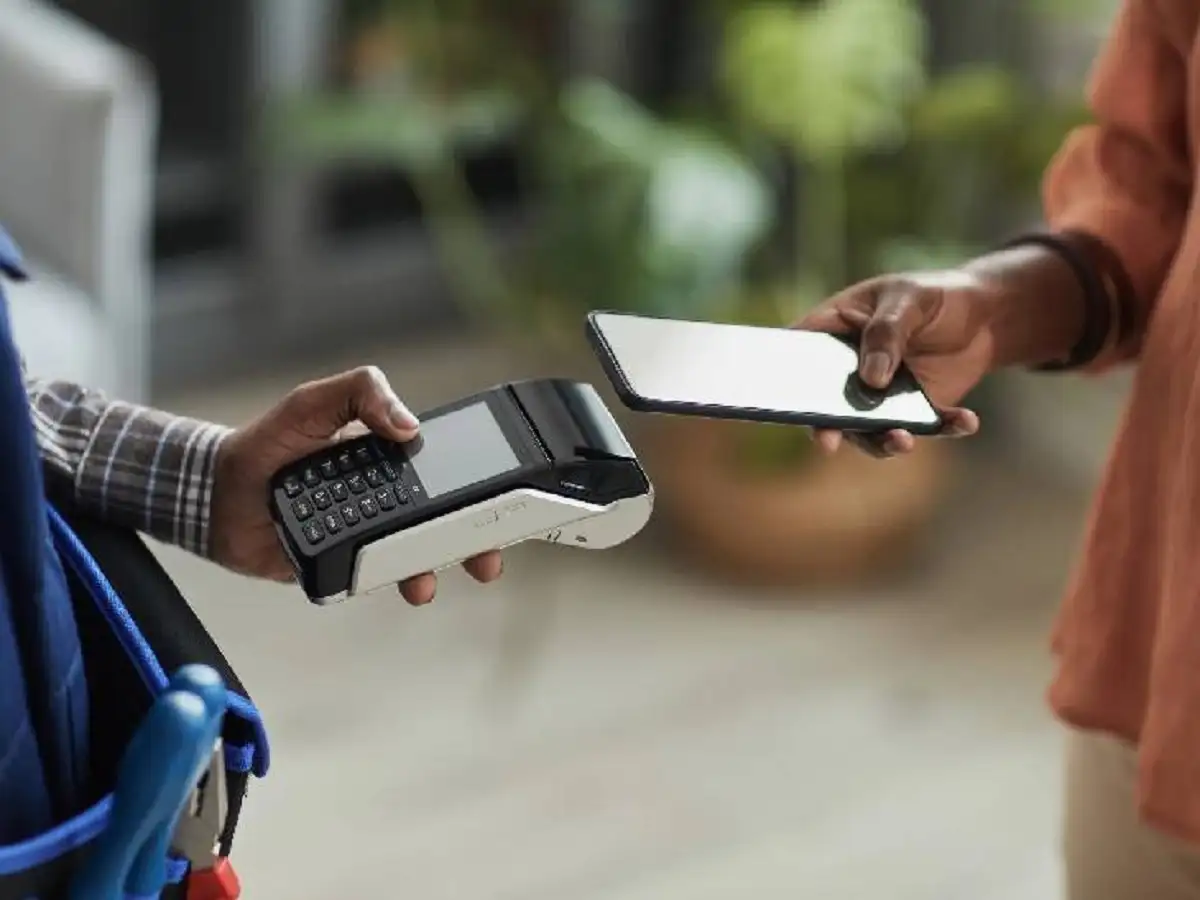
A new contactless payment option called UPI Tap & Pay is designed to make certain transactions simpler. Instead of scanning a QR code every time, users can use their smartphone's NFC capability to initiate a payment by bringing the device close to a compatible merchant terminal or smart tag.
The feature was introduced alongside other UPI-related developments by the Reserve Bank of India (RBI) and the National Payments Corporation of India (NPCI) at the Global Fintech Fest in Mumbai. The aim is to make digital payments faster and more convenient while adding another option for consumers at participating merchants.
What Is UPI Tap & Pay?
UPI Tap & Pay is a contactless payment facility based on Near Field Communication (NFC) technology.
NFC enables two compatible devices to exchange information when they are brought close together. The experience is similar in principle to tapping a contactless debit or credit card on a payment terminal.
With this facility, consumers may not need to scan a conventional QR code for every eligible transaction. Instead, an NFC-enabled smartphone can be brought close to a supported Point-of-Sale (PoS) terminal or smart tag.
The exact availability and functionality can depend on the device, payment application and merchant infrastructure.
How Does the Tap & Pay Process Work?
Using the feature is intended to be relatively straightforward.
First, the customer needs a smartphone that supports NFC. The phone is then brought close to a compatible merchant PoS machine or smart tag.
The NFC connection allows the relevant payment information to be exchanged between the devices. The transaction can then proceed through the applicable UPI payment process.
One potential advantage is that the customer's phone does not necessarily need to maintain the same type of mobile internet connection used for a conventional QR-based payment. The merchant's payment terminal may provide the connectivity required to process the transaction.
However, users should check whether their particular bank, UPI application and device support the feature before relying on it.
Could It Help Where Mobile Internet Is Weak?
One of the notable use cases for contactless UPI payments is situations where a customer's mobile data connection is unreliable.
For instance, connectivity can sometimes be problematic in:
- Underground or basement locations
- Metro stations
- Crowded public areas
- Hilly or remote locations
- Places with weak cellular coverage
- Locations experiencing temporary network congestion
In such situations, a compatible merchant terminal with its own internet connection could help complete the payment without depending entirely on the customer's mobile data connection.
This does not mean that every UPI transaction will work without internet or that all UPI apps will support offline payments. Users should distinguish between the NFC communication used to initiate the interaction and the connectivity required to authorize and complete the actual transaction.
Small Payments and UPI PIN Requirements
The reported feature also includes a convenience provision for smaller transactions. According to the information associated with the rollout, eligible payments of up to ₹5,000 can be made without entering a UPI PIN.
For transactions above the specified limit, the UPI PIN is required.
This could make frequent, low-value purchases more convenient, particularly at places such as cafes, shops, parking facilities and other participating merchants.
Consumers should nevertheless confirm the applicable limits and security requirements within their bank or UPI app, as transaction rules and implementation can change.
What Is MyUPI?
Alongside Tap & Pay, another UPI-related development called MyUPI has also been introduced.
MyUPI is designed as an AI-powered customer-support and UPI management platform. It aims to make it easier for users who have multiple bank accounts or use more than one UPI application to access information related to their digital payments.
The platform is associated with NPCI's small language model, FiMI, and is intended to bring information about UPI transactions and AutoPay mandates into a more accessible interface.
For users managing several accounts or recurring payment instructions, having relevant information available in one place could make monitoring UPI activity more convenient.
MyUPI’s Safety Switch
Security is another part of the new UPI ecosystem. MyUPI includes a feature referred to as Safety Switch, which is designed to provide users with an additional way to respond if they suspect unauthorized activity.
If a user believes that their UPI account may have been compromised or that suspicious activity is taking place, the Safety Switch can help block UPI debit transactions.
Such a feature can be useful during a suspected fraud incident because quickly restricting outgoing transactions may help reduce the risk of additional unauthorized payments.
Users should still report suspected fraud through their bank and the appropriate official channels as quickly as possible rather than relying only on a payment-control feature.
Key Benefits of UPI Tap & Pay
The new contactless option could offer several practical advantages for supported transactions:
- No conventional QR-code scan is required.
- NFC can be used to establish the payment interaction.
- Customers may not need to repeatedly open their UPI app for the initial payment interaction.
- It can be useful at participating locations where mobile connectivity is unreliable.
- Merchant PoS connectivity may assist in processing the transaction.
- Eligible small-value payments can be quicker when a UPI PIN is not required.
- MyUPI is intended to make UPI transactions and AutoPay information easier to manage.
- Safety Switch provides an additional mechanism for restricting UPI debit activity in suspicious situations.
What Users Should Keep in Mind
UPI Tap & Pay is not simply a replacement for every existing UPI payment method. Its usefulness depends on whether the customer's smartphone, bank, UPI application and merchant terminal support the necessary technology.
Users should also remain cautious with contactless payments. Before confirming any transaction, check the amount and merchant details displayed during the payment process. Never share a UPI PIN, OTP or other confidential banking credentials with another person.
With NFC-based payments, QR codes may no longer be necessary for some transactions, but secure payment habits remain essential. The combination of contactless technology and additional account-management tools could make everyday digital payments more convenient as these services become available across supported devices and merchants.