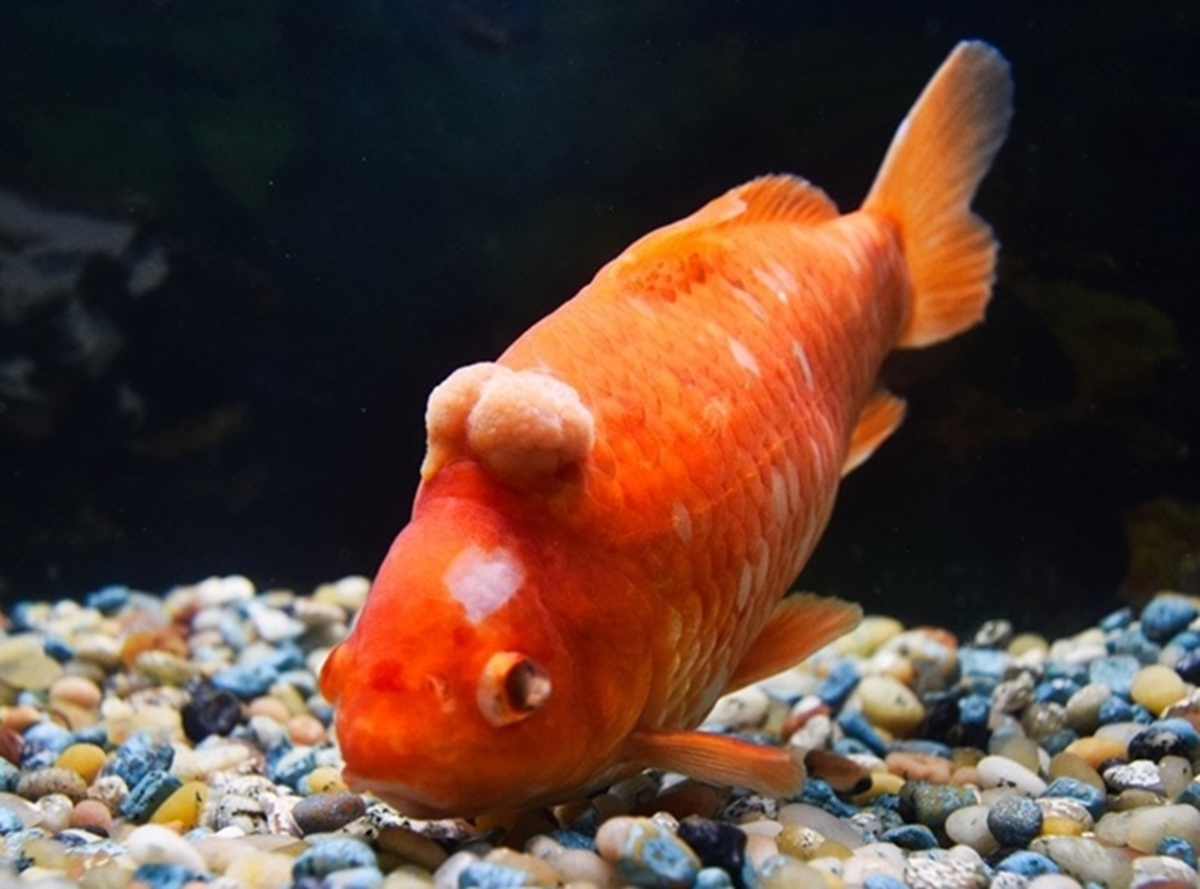
Fish Cancer: Cancer begins when the body's own cells begin to grow uncontrollably. However, scientists have discovered a rare cancer that isn't confined to a single organism.

cancer in fish
Lake Memphremagog Transmissible Cancer: Cancer is generally considered a disease that develops inside the body of a human or animal. Cancer begins when the body's own cells begin to grow uncontrollably. But scientists have discovered a rare cancer that is not limited to one organism's body, but can spread from one fish to another. In a new study published in the journal Nature, scientists have detected this type of cancer in brown bullhead catfish. These fish are found in Lake Memphremagog, which stretches between Vermont in the US and Quebec in Canada.
What is special about these fish?
According to scientists, the melanoma found in these fish isn't developing individually within each fish. Instead, cancer cells are spreading from one fish to another. This is believed to be the first known transmissible cancer found in fish. It's also the first time such cancer has been found in a freshwater ecosystem.
When does cancer occur?
Cancer typically occurs when healthy cells in a person or animal undergo genetic changes over time. This leads to uncontrolled cell growth. These cancer cells remain within the body and can spread to other parts of the body. However, transmissible cancer is different. In this case, live cancer cells leave one organism and enter another and begin to multiply there. Thus, a single cancer cell can survive in different organisms, almost like a parasite.
To confirm this, scientists analyzed the genomes of tumors and healthy tissue from affected catfish. The findings revealed that tumors from different catfish were genetically very similar to each other, yet distinct from the healthy tissue of the fish that harbored the tumors. Among the millions of genetic variants found in the tumors, several were identical in tumors from different fish, but absent in healthy cells. This provided strong evidence that these tumors originated from the same cancer cell line, rather than separate origins.
Scientists say brown bullhead melanoma joins a group of rare examples of naturally occurring, transmissible cancers in animals. Previously, such cancers have been found in dogs, Tasmanian devils and some species of marine shellfish.
How is cancer spreading to other fish?
However, the exact mechanism by which this cancer is transmitted from one fish to another is not yet known. Scientists have suggested several possibilities based on the behavior of brown bullhead catfish. One of these possibilities is related to the breeding season . During this time, fish gather in large numbers and come into close proximity to each other. This could provide an opportunity for the cancer cells to spread from one fish to another.
Another possibility is related to water. Fish's skin, gills, and mouth are constantly in contact with water. If cancer cells are present in the water, they could enter the bodies of other fish through these routes. Brown bullheads live near the lake bottom and lack protective scales. Scientists believe that if cancer cells survive for some time in the mud at the lake bottom, passing fish could come into contact with them. However, these are only possibilities, and studies have not proven a definitive route of infection.
Can cancer spread to humans too?
This discovery may raise questions about whether this cancer can spread to humans. Current scientific evidence suggests this. The study focused only on brown bullhead catfish, and researchers have not identified any risk of transmission to humans. The human immune system typically recognizes and destroys foreign cells from another individual. This is why patients must receive immunosuppressive medications after organ transplants.