NEWS
Tourism Takes a Hit: 6 Out of 10 Tourists Cancel Kashmir Plans After Pahalgam Attack, Reveals Nationwide Survey
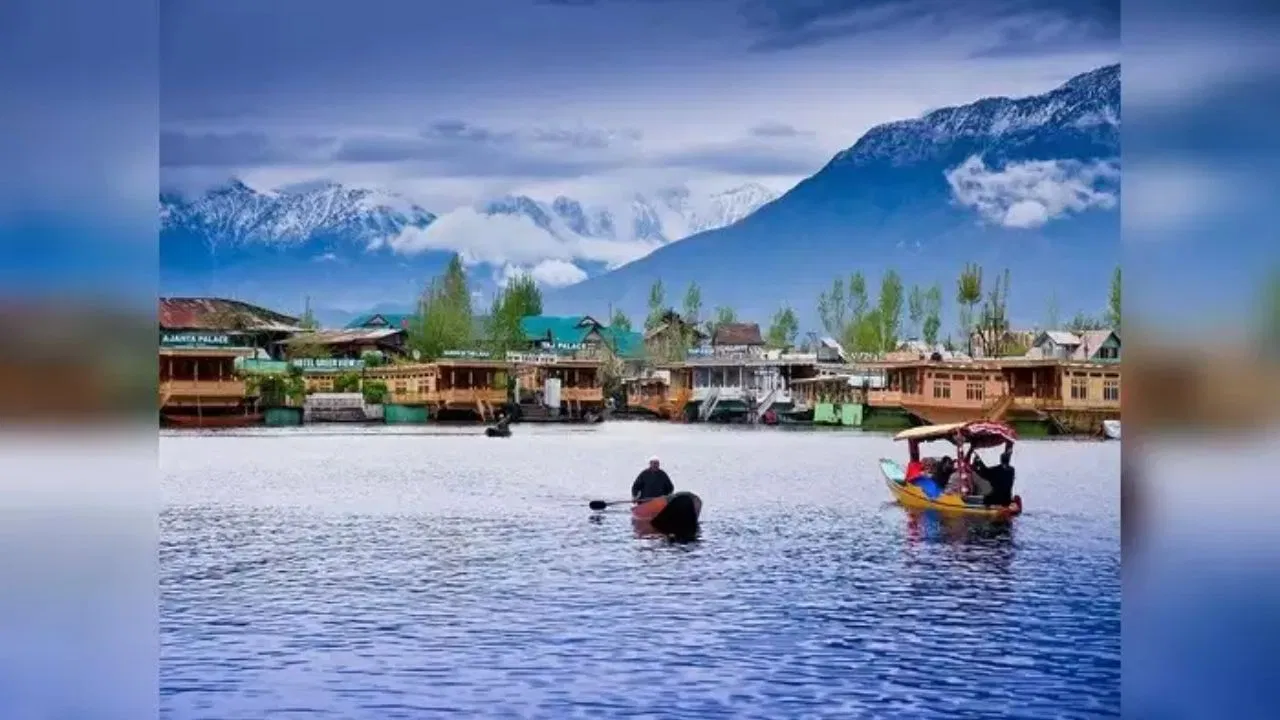
The terrorist attack in Pahalgam has sent shockwaves through India’s tourism sector, particularly in Jammu and Kashmir. According to a new survey conducted by Local Circles, six out of every ten Indian families who had plans to visit Kashmir between May and December 2025 are now considering cancelling their trips.
Key Findings from the Survey:
- 62% of respondents initially had plans to travel to Kashmir in 2025.
- Among them, 60% now say they are likely to cancel their bookings following the Pahalgam attack.
- 30% are adopting a wait-and-watch approach and may visit depending on how the government handles the security situation.
- Another 30% said they may not consider visiting for at least the next three years.
The survey collected over 21,000 responses from travelers across 361 districts, representing a broad demographic:
- 63% male, 37% female
- 41% from Tier-1 cities, 28% from Tier-2, and 31% from Tier-3/4 towns and rural areas
A Blow to Kashmir’s Booming Tourism
This sharp drop in confidence comes despite record-breaking tourist arrivals in recent years:
- 2022: 1.88 crore tourists
- 2023: 2.11 crore tourists
- 2025 (till now): Already 2.3 crore visitors, according to Chief Minister Omar Abdullah
Tourism stakeholders had been hoping for a peaceful season, free from separatist disruptions. However, the Pahalgam attack — just ahead of the Amarnath Yatra registration — has cast a shadow over those expectations.
Amarnath Yatra at Risk
Pahalgam is a crucial hub for the Amarnath Yatra, one of India’s biggest religious pilgrimages. In 2023 alone, over 21 million pilgrims participated. With the recent violence, the pilgrimage’s turnout — and the state’s economic hopes tied to it — are now at serious risk.
In Summary: Kashmir’s image as a safe and welcoming tourist destination has taken a massive hit. Whether this is a temporary slump or a long-term shift in perception now depends on how swiftly and effectively the government restores confidence — both in terms of security and messaging.