LIFESTYLE
Top Magnesium-Rich Foods You Should Add to Your Diet for Better Energy, Heart Health and Stronger Bones
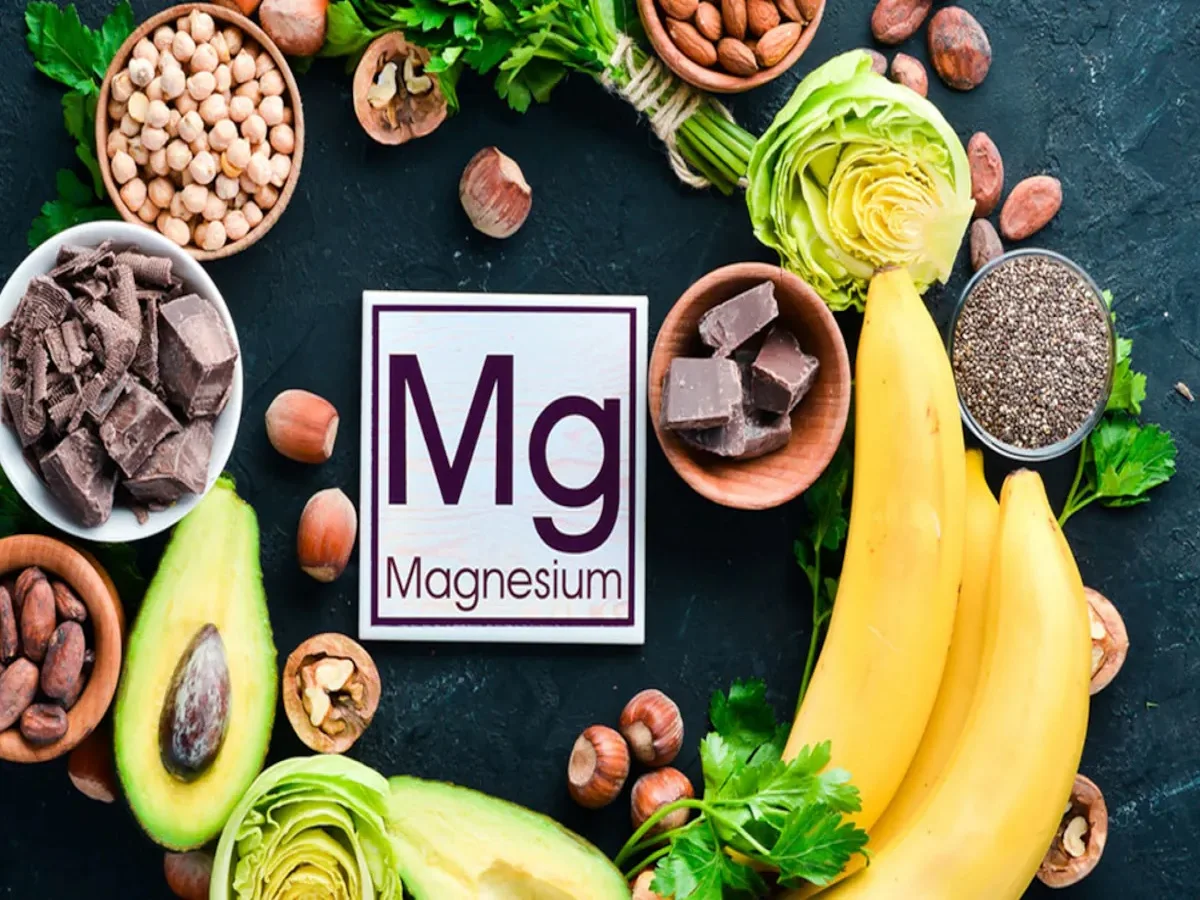
Maintaining good health requires a balanced intake of essential vitamins and minerals, and magnesium is one of the most important nutrients that often goes unnoticed. This vital mineral plays a key role in hundreds of biochemical processes in the body, helping support nerve function, muscle movement, bone strength, heart health, and energy production.
Despite its importance, many people fail to consume enough magnesium through their daily diet. Low magnesium levels may contribute to symptoms such as fatigue, muscle cramps, weakness, stress, difficulty sleeping, and reduced overall well-being. Fortunately, several commonly available foods are naturally rich in magnesium and can help meet the body's daily nutritional needs.
Here are some of the best magnesium-rich foods that can support overall health and help prevent deficiencies.
Why Is Magnesium Important?
Magnesium is involved in more than 300 enzymatic reactions in the body. It helps regulate:
- Muscle and nerve function
- Blood sugar levels
- Blood pressure
- Protein synthesis
- Energy production
- Bone development
- Heart rhythm
A balanced intake of magnesium can contribute to better physical performance, improved sleep quality, and overall wellness.
Pumpkin Seeds: One of the Richest Natural Sources of Magnesium
Pumpkin seeds are widely regarded as one of the best dietary sources of magnesium. These nutrient-dense seeds provide an impressive amount of the mineral in a relatively small serving.
Approximately 100 grams of pumpkin seeds can contain around 500 milligrams of magnesium, making them an excellent option for individuals looking to boost their intake naturally.
In addition to magnesium, pumpkin seeds are also rich in:
- Protein
- Healthy fats
- Zinc
- Iron
- Antioxidants
They can be enjoyed as a snack or added to salads, smoothies, yogurt, and breakfast bowls.
Almonds and Cashews Offer a Healthy Magnesium Boost
Nuts are another excellent source of magnesium, with almonds and cashews ranking among the most beneficial options.
Regular consumption of these nuts can provide:
- Magnesium
- Healthy fats
- Plant-based protein
- Fiber
- Vitamin E
A handful of almonds or cashews each day can support heart health while helping meet daily magnesium requirements. These nuts also make a convenient and nutritious snack for busy lifestyles.
Leafy Green Vegetables Are Packed with Essential Minerals
Dark green leafy vegetables are among the healthiest foods you can include in your diet, and many are rich in magnesium.
Some of the best options include:
- Spinach
- Fenugreek leaves
- Mustard greens
- Kale
- Swiss chard
These vegetables provide not only magnesium but also important nutrients such as iron, calcium, vitamin K, and antioxidants.
Adding green vegetables to meals regularly can support bone health, digestion, and overall nutrient intake.
Dark Chocolate: A Delicious Source of Magnesium
Good news for chocolate lovers—dark chocolate can also contribute to magnesium intake when consumed in moderation.
High-quality dark chocolate contains several beneficial nutrients, including:
- Magnesium
- Iron
- Copper
- Antioxidants
Research suggests that dark chocolate may help improve mood and reduce oxidative stress due to its antioxidant content.
For maximum nutritional benefits, choose dark chocolate with a high cocoa content and limited added sugar.
Bananas Support Muscle and Nerve Function
Bananas are often praised for their potassium content, but they also provide a useful amount of magnesium.
This combination of nutrients helps support:
- Proper muscle contractions
- Nerve signaling
- Hydration balance
- Energy production
Bananas are particularly popular among athletes and active individuals because they can help replenish essential minerals after physical activity.
Other Foods Rich in Magnesium
In addition to the foods listed above, several other nutritious options can help increase magnesium intake:
Legumes
- Black beans
- Chickpeas
- Lentils
- Kidney beans
Whole Grains
- Oats
- Brown rice
- Quinoa
- Whole wheat products
Seafood
- Salmon
- Mackerel
- Halibut
Dairy Products
- Yogurt
- Milk
Avocados
Avocados provide magnesium along with healthy fats and fiber, making them a nutrient-dense addition to a balanced diet.
Signs of Magnesium Deficiency
A lack of magnesium may lead to symptoms such as:
- Muscle cramps
- Fatigue
- Weakness
- Sleep disturbances
- Anxiety or stress
- Headaches
- Irregular heartbeat in severe cases
If symptoms persist or become severe, it is important to consult a healthcare professional for proper evaluation.
Building a Magnesium-Rich Diet
Including a variety of magnesium-rich foods in your daily meals is one of the simplest ways to support long-term health. Combining nuts, seeds, leafy greens, fruits, legumes, and whole grains can help ensure adequate intake without relying solely on supplements.
A balanced diet rich in magnesium may contribute to stronger bones, improved heart health, better muscle function, enhanced energy levels, and overall well-being.
Disclaimer: This article is intended for informational purposes only and should not be considered medical advice. Consult a qualified healthcare professional or registered dietitian before making significant dietary changes or taking supplements.