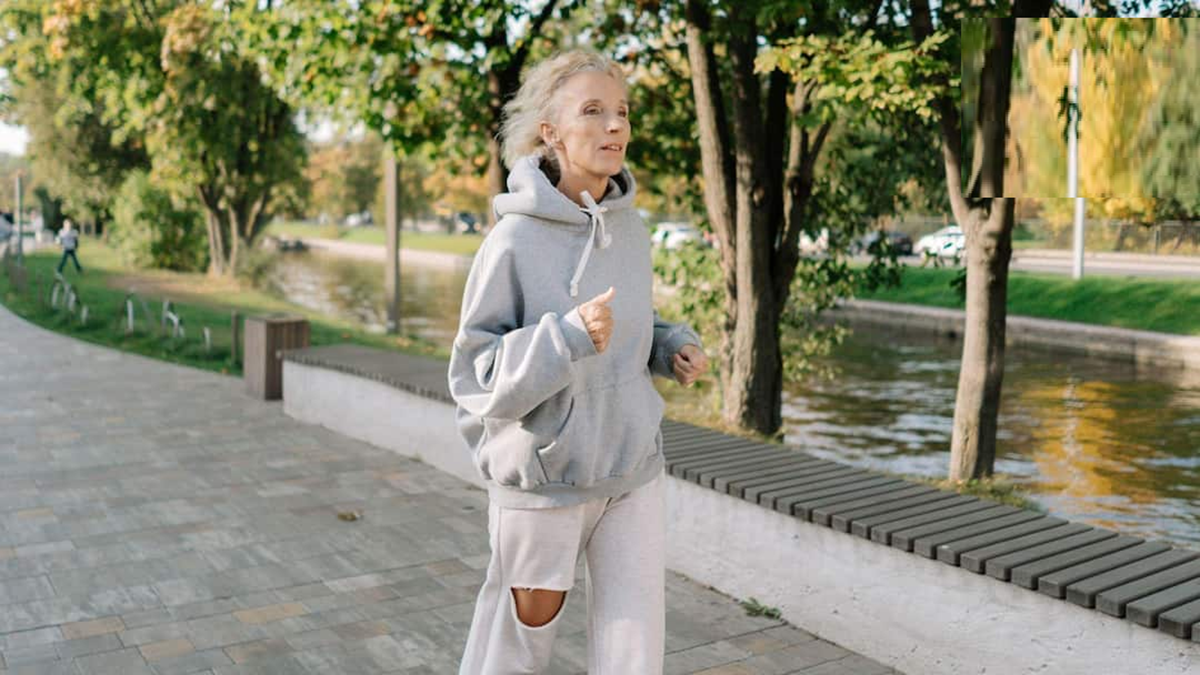
The 10-minute lymphatic walk trending on social media is effective in providing instant relief from swelling and bloating by increasing the flow of fluids in the body, but experts consider it to be similar to a normal walk.
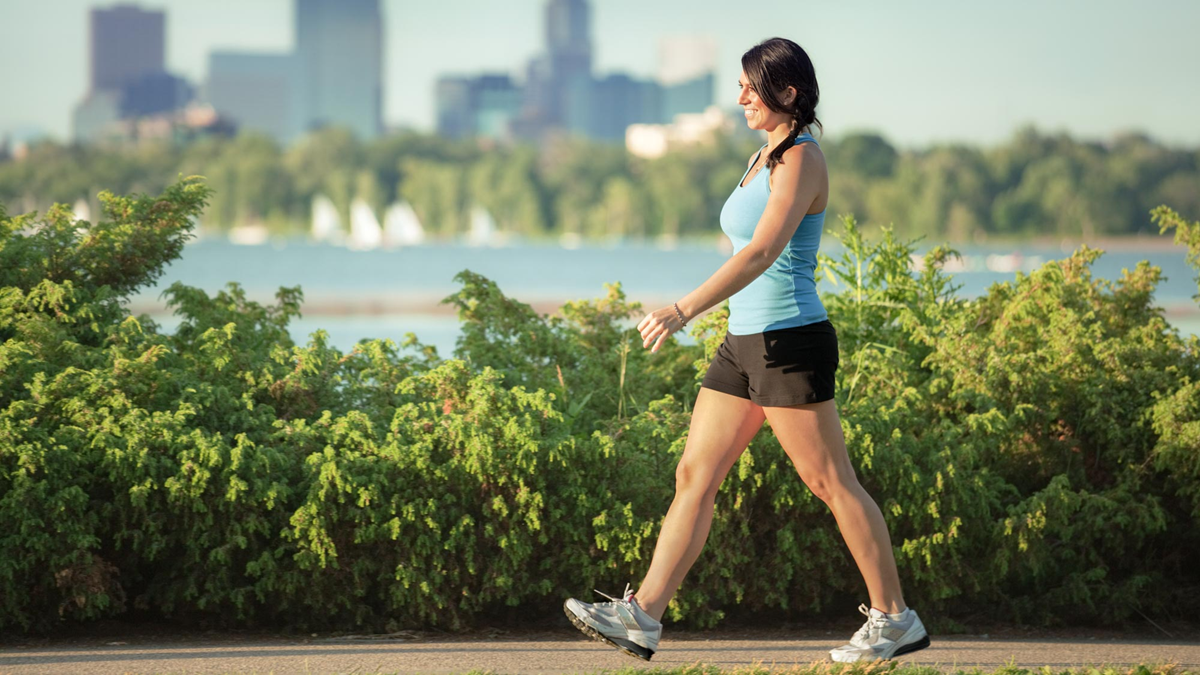
Lymphatic Walk
Lymphatic walking is gaining popularity on social media these days, with claims that just 10 minutes of daily walking, performed in a specific manner, can reduce swelling and bloating. Unlike regular walking, this practice focuses on posture, breathing patterns, and walking speed. But the question arises: is it truly as effective as claimed, or is it just another fitness trend? Let's understand how the lymphatic system works and how this walking technique can help.
What is the lymphatic system?
Like blood, a fluid called lymph flows through the body, removing excess fluid and waste material from the body. The heart pumps blood, but the lymphatic system doesn't have its own pump. This system is primarily driven by muscle contraction and breathing. This is why, when the body remains in one position for long periods of time, fluid begins to accumulate in the tissues, causing swelling and heaviness.
How does walking benefit?
When a person walks, the muscles in the legs and body constantly contract and expand, which helps move lymph fluid. Research has also shown that during light exercise, lymph volume increases several times compared to resting. Therefore, for people who spend long periods of time sitting, getting up and walking for a short while can help reduce swelling in the legs.
What is special about a 10-minute walk?
Lymphatic walking emphasizes maintaining an upright posture, deep, regular breathing, and natural arm movements compared to normal walking. Experts believe this improves muscle movement, which helps move lymph fluid. However, there is no conclusive scientific evidence that simply changing posture or breathing patterns significantly increases lymph flow compared to normal walking, as muscle contraction and breathing are the same in all types of walking.
Feeling lightheaded is a result of fluid changes, not fat loss.
Experts clearly state that the feeling of lightness after walking is, in most cases, due to the removal of excess fluid from the body, not the loss of fat. This means it's a temporary change, not weight loss. Walking can also provide relief from mild swelling and bloating, especially those caused by prolonged sitting, hormonal changes, or excessive salt intake.