These days, this problem has become so common that 4 out of 10 people experience it. It can appear suddenly due to prolonged standing, weight gain, or simply aging.
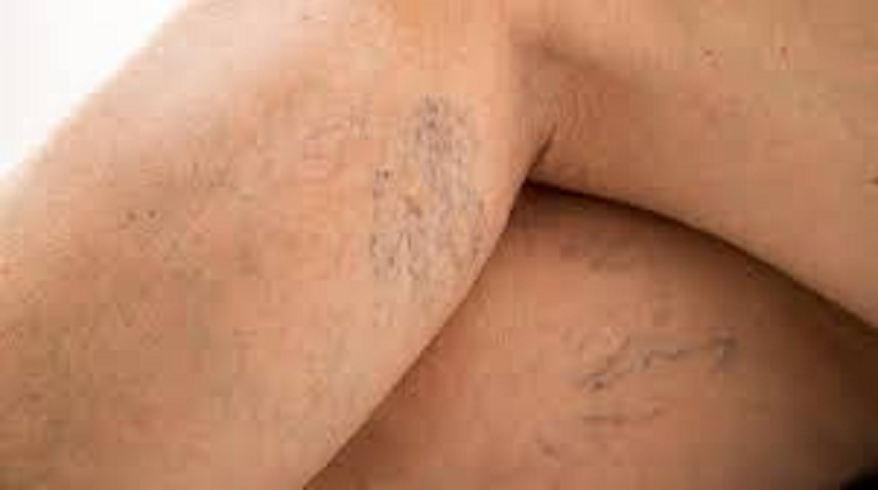
spider web veins in the legs
Many people suddenly notice thin, blue, red, or purple lines on their legs. At first glance, they look like spider webs, as if someone has woven a fine web under the skin. Many people think this is just a skin pattern, but it's actually a sign that the veins in your legs are not circulating properly.
These days, this problem has become so common that four out of ten people experience it. They can suddenly appear due to prolonged standing, weight gain, or simply aging. Many women also experience them during pregnancy or hormonal changes. If you're also wondering why these veins suddenly became visible or whether they're a serious illness, let us explain what causes the spiderweb-like veins on your legs.
What are spider web-like veins?
These veins are called spider veins. They are small blood vessels just beneath the skin that, for some reason, expand and become visible from the surface. They can be red, blue, or purple in color and resemble webs or tree branches. They usually appear on the skin of the feet, legs, and ankles, and sometimes even on the face and cheeks.
What makes these veins appear problematic?
1. Weak vein valves - Our veins contain tiny valves that push blood upward toward the heart. When these valves become loose, blood begins to pool downward. This pressure causes the veins to expand and become webbed.
2. Constant standing or sitting - People who stand for hours, such as teachers, guards, and shop workers, are more likely to experience this problem. People who sit for long periods of time, such as those with computer jobs, also experience blood pooling in their legs, putting pressure on the veins.
3. Weight gain – Excess weight puts extra pressure on the legs. This makes it harder for blood to pump upwards and causes the veins to become visible.
4. Pregnancy and hormonal changes - During pregnancy, a woman's blood volume increases, and her blood pressure increases. Hormonal changes can also weaken the veins.
5. Genetic reasons – If your parents have had this problem, then you are more likely to have it too.
6. Aging – With age, both the skin and veins lose their strength. This causes the veins to become less firm and more visible.
What to do if you see spider veins on your legs?
1. Perform the legs-up-the-wall exercise. Lie on your back with your legs flat on the wall, and turn your toes toward you and then upward. Do this for 10 minutes.
2. Do standing leg raises. Stand barefoot, lift your heels up, then lower them. Do this 100 times. This strengthens the calf muscles, which play a key role in pumping blood upward.
3. Start walking backwards. Walking backwards for 10 minutes a day reduces strain on the veins in your legs and improves blood flow.
4. Try to lose weight. If you're overweight, losing weight gradually will reduce pressure on the veins and reduce the risk of problems.
5. Wear compression stockings. Above-the-knee compression stockings prevent blood from pooling below the knee. They are especially helpful for spider veins and varicose veins.
6. Soak your feet in a bucket of warm water with a little Epsom salt for 10–12 minutes. The magnesium helps relax the nerves and reduce swelling.