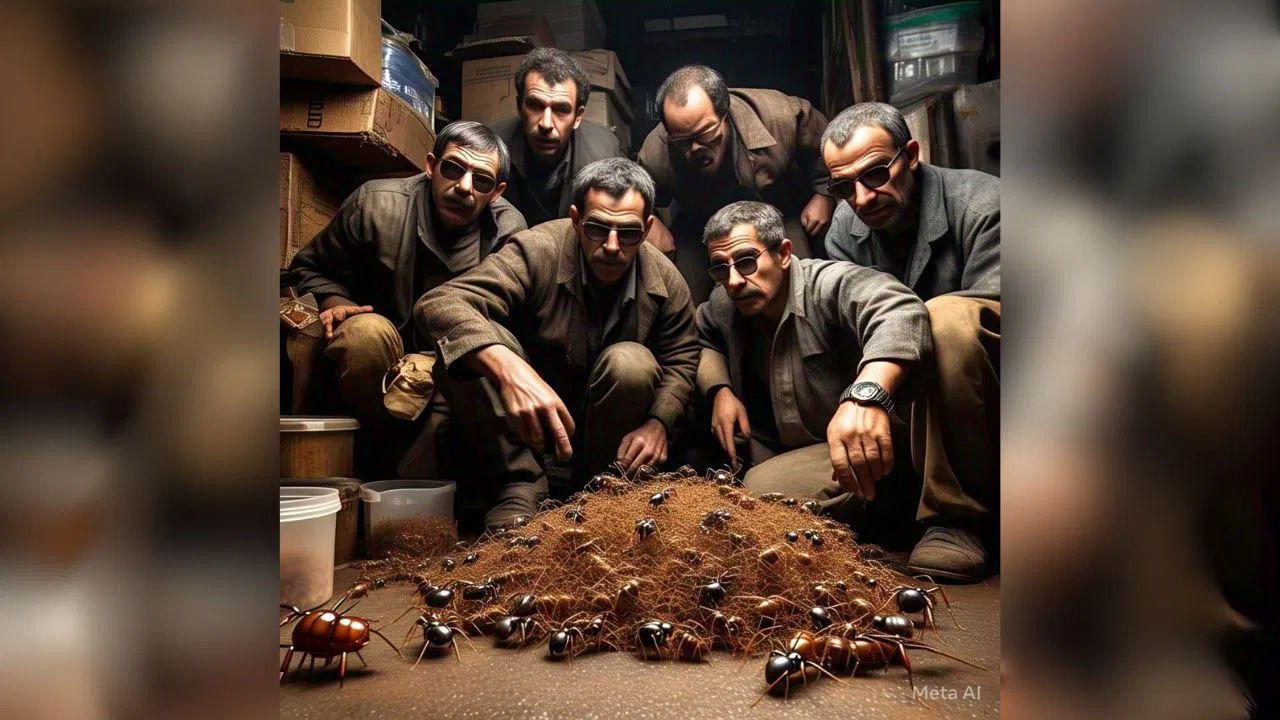
In most Indian homes, spotting an ant on the floor or wall is no big deal. If anything, it's something people instinctively squash without a second thought. But imagine this—an ant so valuable, it sells for up to ₹18,000 apiece on the international market.
That’s the shocking reality behind a recent incident in Kenya, where authorities intercepted a wildlife smuggling operation involving these rare ants. The Kenya Wildlife Service (KWS), typically known for protecting majestic animals like lions and elephants, was stunned to uncover this high-stakes bio-piracy case centered on... ants.
The High-Value Insect
The ants in question? The Giant African Harvester Ant (Messor cephalotes). These are some of the largest ants in the world, with queens growing up to 25 mm in length. Their size, behavior, and unique colony-building habits make them highly sought after by exotic insect collectors and breeders, especially in Europe and Asia.
One British dealer values them at around £170 each, roughly ₹18,000 per ant.
Smuggling Busted, Global Operation Uncovered
Four individuals—two Belgians, a Vietnamese national, and a Kenyan—were arrested in a covert operation. The ants were being carefully packed in containers designed to keep them alive for up to two months, ready to be smuggled to overseas markets where formicariums (ant habitats) are growing in popularity.
KWS called this the first large-scale case of insect smuggling in Kenya, signaling a troubling trend: traffickers are now targeting lesser-known but ecologically vital species in addition to iconic wildlife.
Why Are People Buying Ants?
Believe it or not, the insect pet market is booming. Enthusiasts create intricate ant farms and are fascinated by colony dynamics, foraging, and behavior patterns. The more exotic and rare the species, the more prestigious (and expensive) they are.
According to insect-trading website Best Ants UK, these African harvester ants are favored for their sheer size and visual appeal.
Bigger Picture: From Elephants to Insects
This case highlights how wildlife trafficking is evolving. It’s no longer just about ivory and tiger skins—insects, too, are becoming targets. While ants may seem insignificant, they play a huge role in maintaining ecological balance. The growing demand for them could pose risks to biodiversity if left unchecked.
Moral of the story? Next time you spot an ant, especially a giant one, think twice before crushing it. It might just be worth a small fortune—and a whole lot more to the ecosystem.