LIFESTYLE
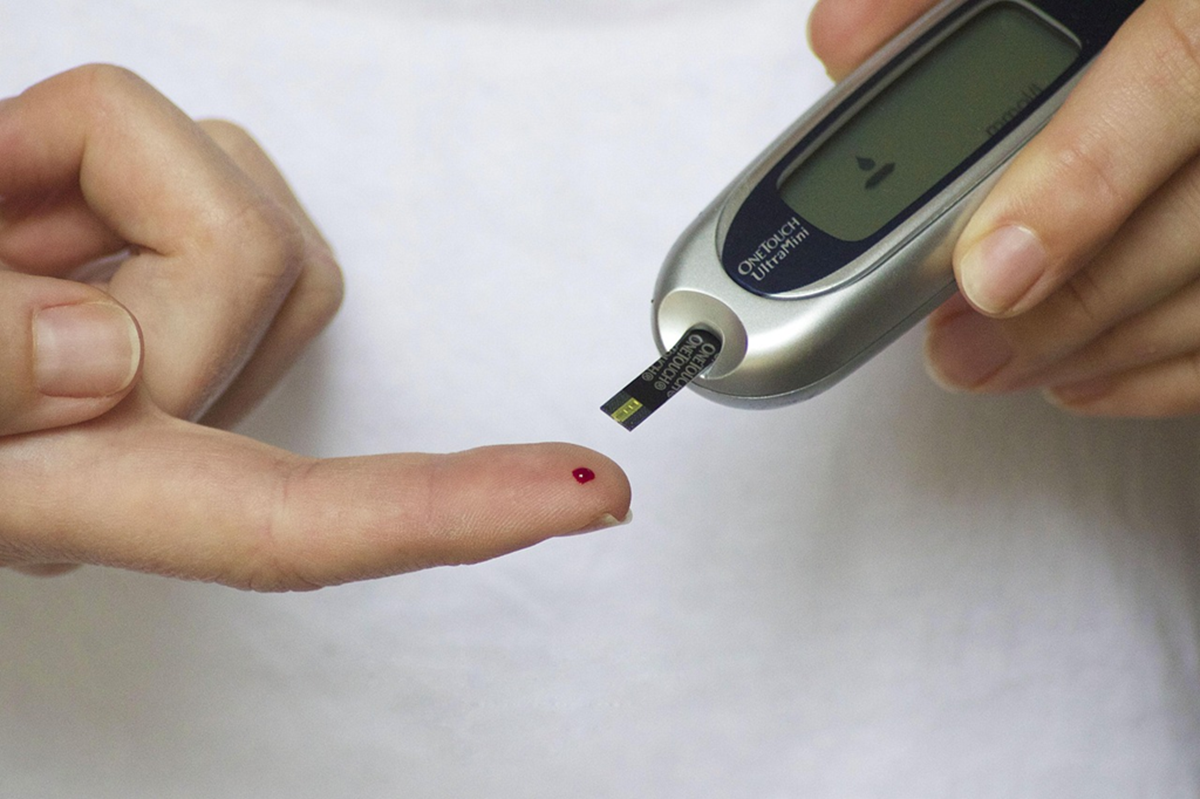
The risk of diabetes is increasing during pregnancy; diabetes screening is mandatory in the first antenatal visit itself!

Risks of Gestational Diabetes: It is important to take care of many things during pregnancy. Let us tell you why diabetes screening is important in women and what the risks associated with it?

Diabetes in pregnancy
Gestational Diabetes In Pregnancy: Pregnancy is often considered a time of joy and excitement, but during this time, some health problems can also arise that are not detected on time. One such serious problem is gestational diabetes, which is increasing rapidly these days. In view of the increasing cases of diabetes during pregnancy in India, the guidelines of the Diabetes in Pregnancy Study Group of India (DIPSI) have been recently updated and have also been approved by the Ministry of Health. Under this, diabetes testing of all pregnant women has been considered necessary, so that the disease can be detected in time.
What is gestational diabetes?
The biggest problem with gestational diabetes is that its symptoms are often not obvious. Therefore, many women remain unaware until a test reveals elevated blood sugar. For this reason, the World Health Organization (WHO) recommends screening between 24 and 28 weeks of pregnancy. DIPSI, meanwhile, says it's best to begin screening at the first antenatal visit so that timely treatment can be provided.
For whom is testing necessary?
This test is considered essential even for women who don't show any traditional risk factors for diabetes. Screening everyone can help detect the disease early, and timely interventions such as diet control, blood sugar monitoring, and safe exercise can be initiated. According to the DIPSI 2023 recommendations, the non-fasting 75-gram glucose test is a reliable, inexpensive, and easy method that can be adopted even at primary health centers.
If blood sugar is not controlled during pregnancy, it can affect both the mother and the baby. High blood sugar can lead to excessive weight gain, a condition called macrosomia. This can lead to complications like shoulder impingement during delivery. After birth, the newborn may experience low blood sugar or require admission to the NICU. In severe cases, the risk of stillbirth increases, so timely identification and treatment are crucial.
What do experts say?
Light exercise, such as daily walking, as advised by your doctor is also very beneficial. This improves insulin production in the body. If lifestyle changes alone don't control blood sugar, insulin or other medications may be prescribed under medical supervision. However, it's important to note that the risk doesn't completely disappear even after delivery. Women who develop diabetes during pregnancy have a significantly higher risk of developing type 2 diabetes or prediabetes later in life. Even if blood sugar levels return to normal after delivery, approximately half of women may develop diabetes within the next 10 years if care is not taken.